
April 13 to October 13, 2025
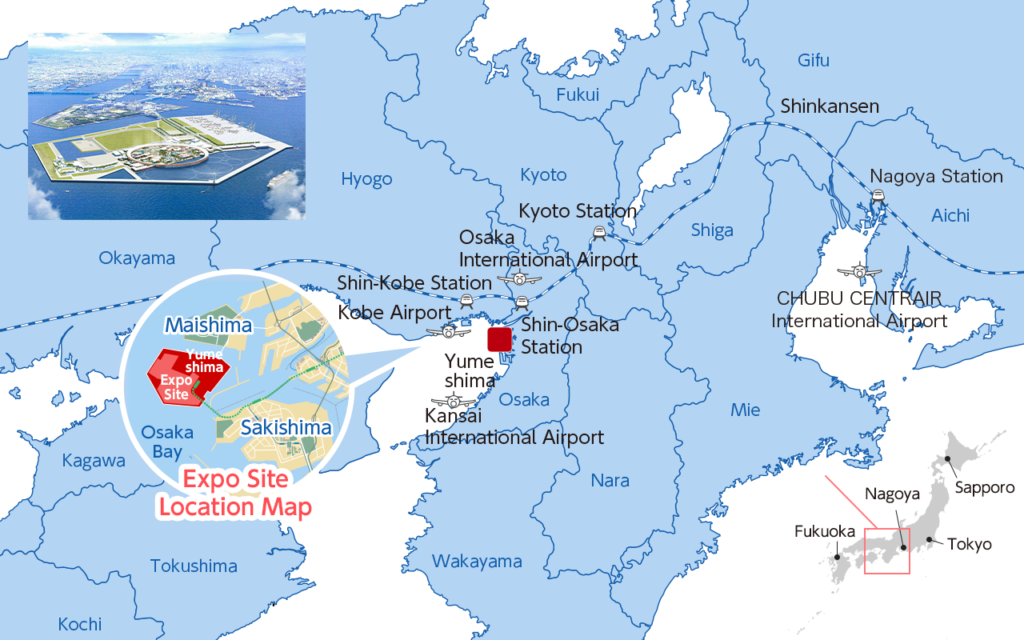
Expo 2025 Osaka, Kansai, is one of the decade’s most highly anticipated events. Scheduled to take place from April 13 to October 13, 2025, on a purpose-built island site, the Expo promises to be a world-class gathering showcasing cutting-edge technology, sustainability, and the best global culture.
The event, hosted in Osaka, Japan, will unite people worldwide to explore the planet’s future, address global challenges, and celebrate innovation.
The Expo will be the first World Expo held in Japan since the 2005 Expo in Aichi. It will also provide a unique platform for countries to demonstrate their advancements, discuss solutions to pressing issues, and present their visions for a better future.
The event aims to be an exhibition, a cultural exchange, a celebration of human ingenuity, and a call to action for a more sustainable and equitable world.
Expo 2025 Osaka, Kansai, the latest iteration of the World Expo series, targets 28 million visitors for six months. It follows Expo 2020 Dubai, which was held from October 1, 2021, to March 31, 2022, under the central theme ‘Connecting Minds, Creating the Future’.
The Dubai Expo was postponed from 2020 to 2011-2022 due to the global Covid-19 pandemic.
Held every five years, under the auspices of the France-based Bureau International des Expositions (BIE), the World Expo series is a worldwide gathering of nations that aims to find solutions to pressing challenges of our time by offering a journey through a universal theme, complete with engaging and immersive activities
Saudi Arabia will host Expo 2030 Riyadh, scheduled for October 1, 2030, and March 31, 2031, under the theme ‘Foresight for Tomorrow’.
Theme and subthemes
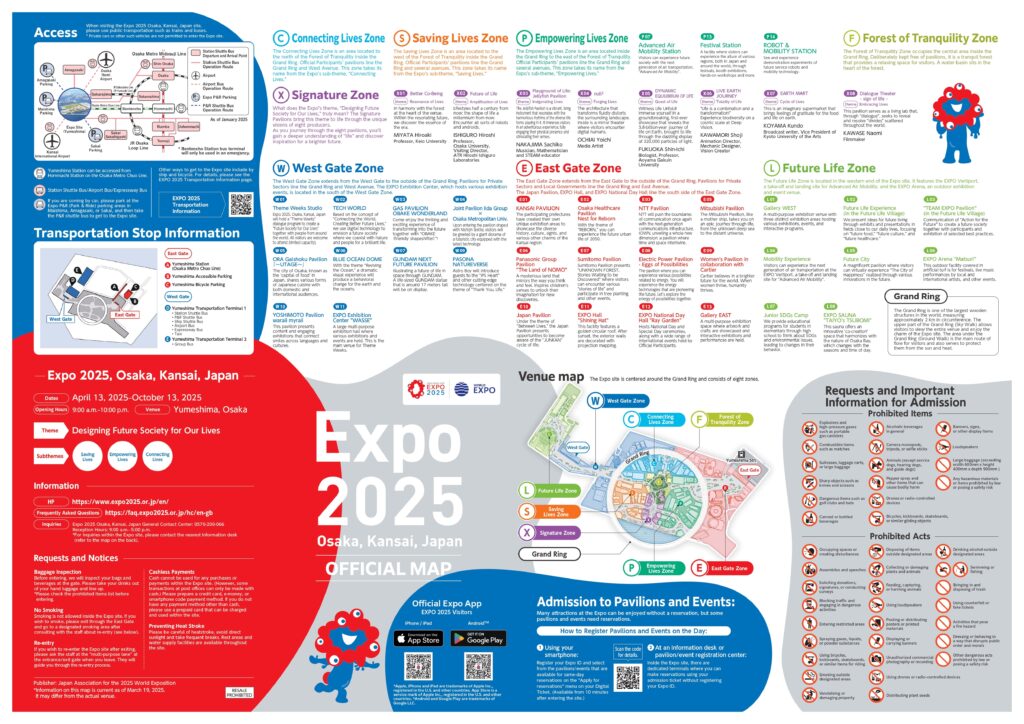
Expo 2025 Osaka, Kansai’s overarching theme is ‘Designing Future Society for Our Lives.’ This theme reflects the global desire to shape a better future through collaboration, innovation, and shared responsibility.
Expo 2025 aims to create a space where visitors can engage with groundbreaking ideas, innovative technologies, and social solutions that address some of the world’s most pressing issues.
Expo 2025 Osaka will feature three subthemes, each of which will focus on a critical area of societal development:
- Saving Lives
This subtheme will explore how technology, innovation, and sustainable practices can be harnessed to enhance human health, prolong life expectancy, and mitigate global health crises. From advances in medical science to strategies for improving well-being worldwide, this subtheme will illustrate how humanity can overcome the challenges posed by ageing populations, pandemics, and other health-related issues. - Empowering Lives
Empowering Lives will focus on human empowerment and how technology can be harnessed to create a more inclusive and equitable world. Key topics will include education, gender equality, the future of work, and digital inclusion. Expo 2025 will showcase initiatives that aim to provide opportunities for all people to thrive, regardless of their background or circumstances. - Connecting Lives
Connecting Lives will highlight how global connectivity, through technological advances, can bring the world closer together. This subtheme will focus on fostering cross-cultural understanding, promoting international collaboration, and addressing the challenges of an increasingly interconnected world, including the digital divide and cybersecurity threats. Visitors can engage in discussions and experiences that foster cooperation across borders and cultures.
The vision
Expo 2025 Osaka aims to catalyse meaningful change, offering a platform for collaboration among governments, businesses, and civil society. It seeks to display technological innovations and engage in dialogue about how these advancements can be utilised to address some of the world’s most pressing issues, such as climate change, inequality, and global health challenges.
The event will feature immersive exhibitions, pavilions, and performances, along with a diverse range of cultural activities. Visitors will be able to explore how technological innovations, such as artificial intelligence, robotics, and sustainable energy solutions, can improve lives and drive positive social impact. The Expo will also offer various experiences showcasing the participating countries’ arts, heritage, and cultural diversity.
The logo
The Expo 2025 Osaka, Kansai logo, designed by artist and designer Kashiwa Sato, features a dynamic and colourful depiction of the event’s theme, ‘Designing Future Society for Our Lives.’

The logo features an abstract, circular motif symbolising a flower, representing the blossoming of ideas and innovation. It reflects the interconnectedness of people, technology, and nature and the theme of creating a sustainable and inclusive future.
The logo’s vibrant colours convey a sense of hope and optimism, inviting participants to collaborate and devise forward-thinking solutions to shape a better tomorrow.
Participating countries
Expo 2025 Osaka, Kansai, will feature 100+ countries worldwide, each contributing to the Expo’s theme with its unique vision and innovations.
The following is a complete list of confirmed participating countries as of April 8, 2025:
- Afghanistan
- Algeria
- Angola
- Argentina
- Australia
- Austria
- Azerbaijan
- Bahrain
- Bangladesh
- Belarus
- Belgium
- Benin
- Bolivia
- Botswana
- Brazil
- Bulgaria
- Burkina Faso
- Burundi
- Cambodia
- Cameroon
- Canada
- Chile
- China
- Colombia
- Czech Republic
- Denmark
- Ecuador
- Egypt
- El Salvador
- Estonia
- Ethiopia
- Finland
- France
- Georgia
- Germany
- Ghana
- Greece
- Guatemala
- Honduras
- Hungary
- Iceland
- India
- Indonesia
- Iran
- Iraq
- Ireland
- Israel
- Italy
- Jamaica
- Japan
- Jordan
- Kazakhstan
- Kenya
- Kuwait
- Kyrgyzstan
- Latvia
- Lebanon
- Lesotho
- Lithuania
- Luxembourg
- Madagascar
- Malawi
- Malaysia
- Malta
- Mauritania
- Mauritius
- Mexico
- Moldova
- Monaco
- Morocco
- Mozambique
- Myanmar
- Namibia
- Nepal
- Netherlands
- New Zealand
- Nicaragua
- Nigeria
- North Macedonia
- Norway
- Oman
- Pakistan
- Palestine
- Panama
- Paraguay
- Peru
- Philippines
- Poland
- Portugal
- Qatar
- Romania
- Russia
- Rwanda
- Saudi Arabia
- Senegal
- Serbia
- Singapore
- South Africa
- South Korea
- Spain
- Sri Lanka
- Sudan
- Sweden
- Switzerland
- Syria
- Tanzania
- Thailand
- Tunisia
- Turkey
- Uganda
- United Arab Emirates
- United Kingdom
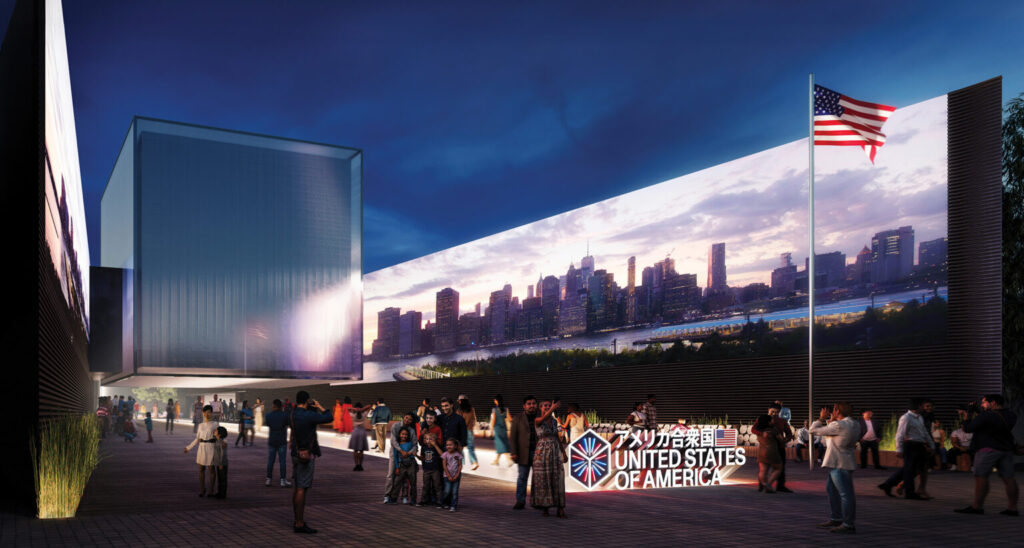
- United States
- Uruguay
- Uzbekistan
- Venezuela
- Vietnam
- Zambia
- Zimbabwe
Each country will bring its unique cultural heritage, technological advancements, and social initiatives to the Expo, contributing to the global conversation about humanity’s future.
Participating international organisations
- ASEAN Secretariat
- European Union
- International Red Cross and Red Crescent Movement
- International Solar Alliance
- International Science and Technology Center
- ITER
- United Nations (includes 35 UN agencies): UN Secretariat, FAO, IAEA, ICAO, IFAD, ILO, IMO, IOM, ITC, ITU, SIAP, UNAIDS, UNCDF, UN-Habitat, UNV, UN Water, UNDP, UNEP, UNESCO, UNFCCC, UNFPA, UNHCR, UNIDO, UNICEF, UNOPS, UNRISD, UNRWA, UN Tourism, UNU, UNWomen, UPU, UNITAR, WFP, WHO, WIPO
A global platform
Expo 2025 Osaka, Kansai, promises to be a milestone event in the world’s cultural and technological history. Focusing on themes such as sustainability, innovation, and human empowerment, the Expo will provide a global platform for nations to showcase their progress and share solutions to common challenges.
As the world continues to face pressing issues such as climate change, inequality, and the need for technological advancements, Expo 2025 will provide an opportunity for international collaboration and dialogue, helping to shape a better, more connected future for all.
Ticket types and prices
Expo 2025 Osaka, Kansai offers a variety of admission ticket types.
US$1 = ¥146.43 approximately.
Tax is included in all prices. Age refers to the individual’s full age (completed years since birth) as of April 1, 2025. Children aged three years or younger are admitted free of charge.
Advance ticket (One-day ticket):
- Opening ticket (valid from April 13 to April 26, 2025):
- First-half period ticket (valid from April 13 to July 18, 2025):
- One-day ticket (Early bird) (valid anytime during the Expo; available from October 7, 2024, to April 12, 2025):
Multiple-entry passes:
- Season pass (multiple entries after 11:00 am daily from April 13 to October 3, 2025):
- Summer pass (multiple entries after 11:00 am daily from July 19 to August 31, 2025):
Special ticket (for visitors with a disability certificate):
- Special discount ticket (valid anytime during the Expo):
Ticket sales during the Expo:
- One-day ticket (valid anytime during the Expo):
- Adult (18+): ¥7,500
- Junior (12-17): ¥4,200
- Child (4-11): ¥1,800
- Weekday ticket (valid after 11:00 am on weekdays; excludes Saturdays, Sundays, and holidays):
- Adult (18+): ¥6,000
- Junior (12-17): ¥3,500
- Child (4-11): ¥1,500
- Night ticket (valid after 5:00 pm during the Expo):
- Adult (18+): ¥3,700
- Junior (12-17): ¥2,000
- Child (4-11): ¥1,000
Group tickets:
- Group ticket (for groups of 15 or more):
- School group ticket:
- First half (valid from April 13 to July 18, 2025):
- High school students: ¥2,000
- Kindergarteners, elementary, and junior high school students: ¥1,000
- Second half (valid from July 19 to October 13, 2025):
- High school students: ¥2,400
- Kindergarteners, elementary, and junior high school students: ¥1,000
- First half (valid from April 13 to July 18, 2025):
- For more detailed information, visit the official Expo 2025 Osaka, Kansai website.
Hero image: Expo 2025 Osaka, Kansai, will be held on a purpose-built island site. Credit: Japan Association for the 2025 World Exposition