Between 2025 and 2035
Airports across the Asia-Pacific and Middle East regions are preparing for a major transformation, with a $240 billion investment programme set to reshape air travel infrastructure between 2025 and 2035.
According to a new study by Airports Council International Asia-Pacific & Middle East (ACI APAC & MID), a strategic blend of modernisation and expansion is needed to address the rising demand for passenger and cargo services across the two regions. The plan includes substantial funding for both brownfield and greenfield developments to upgrade existing airport infrastructure and construct new airports.
ACI APAC & MID, representing over 600 airports across 46 countries and territories, conducted a comprehensive study of more than 30 key regional airports to assess their capacity and development needs. The findings reveal an urgent and coordinated effort to future-proof aviation infrastructure in two of the world’s fastest-growing regions.
Brownfield development
Of the total investment, $136 billion will go toward brownfield development. This includes large-scale upgrades to existing facilities, which are expected to add capacity for 680 million passengers and 14 million tonnes of cargo. In parallel, $104 billion will be allocated for greenfield development, enabling the construction of new airports that will accommodate 562 million passengers and 57 million tonnes of cargo annually.
These projects will unlock capacity for 1.24 billion additional passengers and 71 million tonnes of cargo. In perspective, it equates to more than 13 airports the size of Dubai International Airport and nearly 14 times the annual cargo volume handled by Hong Kong International Airport, the world’s leading air freight hub.
According to SGK Kishore, President of ACI Asia-Pacific & Middle East, the investment is far more than a series of construction projects—it is a regional growth strategy.
“This $240 billion investment is not just about concrete and runways,” said Kishore. “It is about socio-economic development in the two regions. Enhanced passenger experiences will stimulate tourism and business travel, while bolstered cargo capacity will streamline supply chains, driving regional trade and development. We are committed to working with our member airports and stakeholders to ensure these investments deliver tangible results to the local and regional economies.”
ACI’s Director General, Stefano Baronci, echoed this sentiment and stressed the importance of supportive public policy to complement infrastructure growth. He noted that modernising airports is only one part of the solution.
“The investment marks a critical step in transforming the sector and delivering high-quality experiences to passengers,” said Baronci.
“However, infrastructure development alone cannot support growth to its full potential. In today’s increasingly complex economic landscape, we need continuous government support to liberalise air transportation further and streamline visa policies across the region. These are proven drivers of economic development. In contrast, protectionist measures hinder progress and limit opportunity.”
This primary wave of capital expenditure reflects a disciplined, demand-responsive approach. Rather than overspending or expanding unnecessarily, airports in these regions are aligning their plans closely with market forecasts and passenger trends. This method ensures that investment is deployed sustainably, balancing economic efficiency with long-term growth potential.
11 billion passengers
Projections show that by 2053, airports in the Asia-Pacific and Middle East regions could collectively serve nearly 11 billion passengers—almost triple the 3.9 billion recorded in 2024. Forward-thinking infrastructure planning will be essential to meet this unprecedented level of demand.
However, growth must be balanced with financial sustainability. Airport authorities recognise the need for revised airport charges to recover costs associated with the massive development plans. These charges must be carefully structured to avoid overburdening airlines and passengers while ensuring a reliable stream of funding to maintain high-quality facilities and services.
A significant part of the long-term strategy also centres around environmental responsibility and technological innovation. As airports evolve, sustainability and digitalisation will play an increasingly central role in design and operation. From reducing emissions and energy consumption to automating passenger journeys and integrating innovative technologies, the next generation of airports is being built with the future in mind.
These upgrades focus on scalability, enhancing efficiency, providing seamless experiences, and reducing environmental impact. Innovations like biometric identification, AI-driven operations, and intelligent cargo tracking will transform airport operations and how travellers navigate them.
ACI predicts that the coming decade will be a defining period for aviation in Asia-Pacific and the Middle East. With air travel and cargo volumes set to soar, these regions are taking decisive action to expand capacity and enhance resilience.
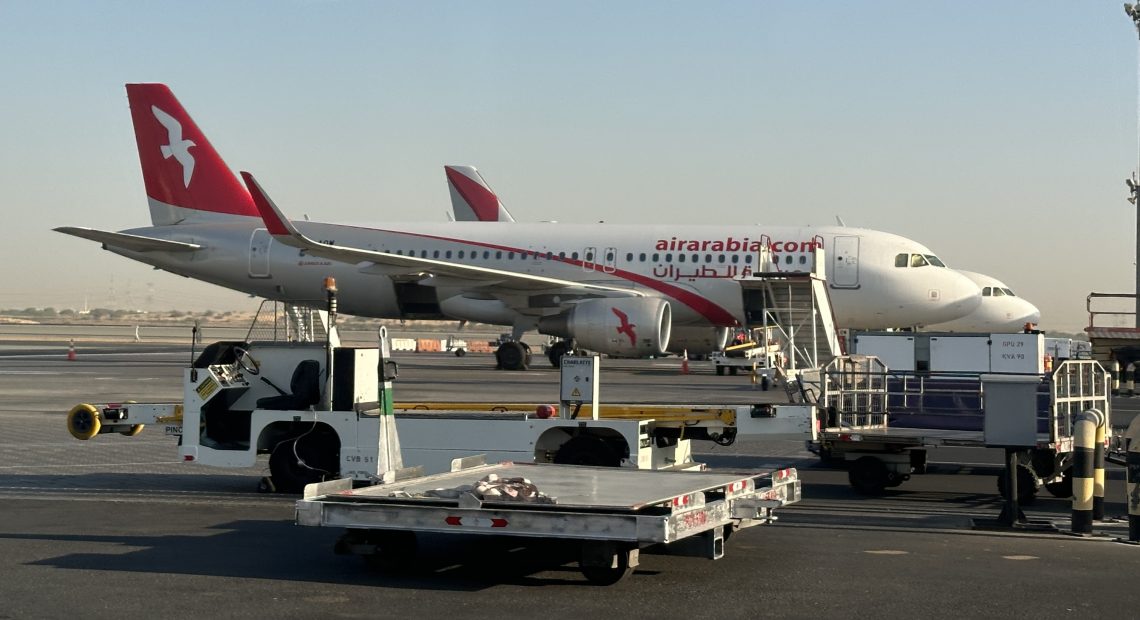
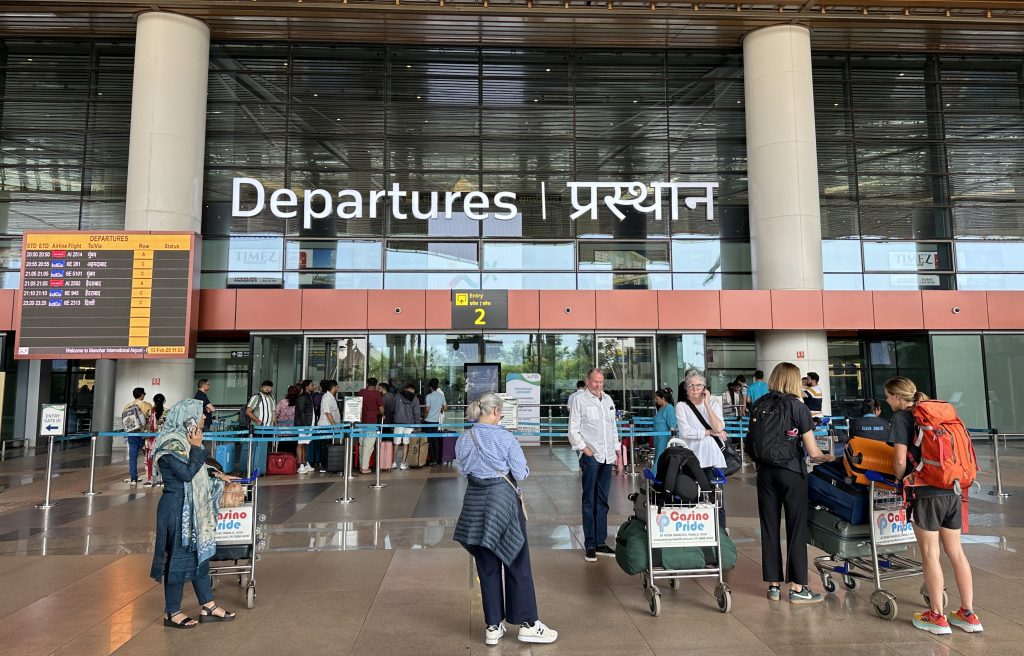
Hero image: The ACI APAC & MI findings reveal an urgent and coordinated effort to future-proof aviation infrastructure in the Asia-Pacific and Middle East regions. Credit: Arnold Pinto