
From October 1, 2025
Dubai-based Emirates airline has announced a new safety policy prohibiting the use of power banks during flights, with the measure set to take effect on October 1, 2025. The decision follows a global increase in incidents involving lithium batteries onboard aircraft.
Passengers on Emirates flights will be allowed to carry one power bank, but it must meet specific safety conditions. The power bank must not exceed a capacity of 100 watt-hours and must remain switched off and stored in the cabin, either in the seat pocket or under the seat in front.
Use of the device for charging phones, tablets, or other electronics during flight will not be permitted. Charging the power bank itself via the aircraft’s power supply will also be banned.
Emirates has not yet indicated whether the policy could extend to other personal charging devices in future. For now, passengers are advised to rely on in-seat power outlets and avoid carrying uncertified or high-capacity power banks while travelling.
The airline said it would begin informing passengers about the new rules via booking channels, check-in counters, and onboard announcements ahead of the October 1, 2025, implementation date.
Growing risks
Emirates’ new policy comes as the airline responds to the growing risks posed by lithium-ion and lithium-polymer batteries. These batteries, commonly found in consumer electronics and portable chargers, are vulnerable to overheating, especially when damaged or poorly manufactured. If a battery overheats, it can enter what is known as “thermal runaway,” a self-accelerating reaction that can lead to fire, explosion, or toxic gas release.
Several airlines around the world have also implemented restrictions or outright bans on the use of power banks due to safety concerns linked to lithium-ion batteries. Carriers such as China Southern Airlines and Singapore Airlines prohibit the use or charging of power banks during flights. However, they may allow them to be carried in cabin baggage under specific conditions.
Airlines in China, including China Eastern and Air China, enforce stricter controls, often requiring prior approval for larger-capacity devices. Most global carriers, including British Airways and Delta, ban power banks in checked luggage and require visible labelling of battery capacity ratings.
According to data from the Federal Aviation Administration (FAA), over 70 incidents involving lithium batteries were reported on aircraft globally in 2023. In many cases, power banks were the source. Industry experts have warned that the increasing reliance on portable battery packs during air travel has outpaced the safety measures designed initially to regulate them.
Strict safety protocols
Middle East carriers, including Emirates, have historically maintained strict safety protocols due to high regional passenger volumes and long-haul flight operations. Emirates’ decision reflects broader concerns across the aviation industry about the use of uncertified or poorly made power banks. Many of these devices, especially cheaper models, lack internal safeguards that prevent overcharging, a feature typically found in more advanced electronics such as smartphones.
The UAE’s General Civil Aviation Authority has previously issued advisories regarding the handling of lithium-powered devices in flight, urging both passengers and airlines to remain vigilant.
Emirates’ latest move signals a more proactive regulatory shift as demand for personal power sources continues to grow. The carrier’s passengers are reminded that placing power banks in checked luggage remains prohibited, as per international aviation safety standards. All devices must also display visible capacity markings for verification.
The risk associated with lithium battery fires is compounded by the difficulty of extinguishing such blazes mid-flight. Traditional fire extinguishers are not always effective against battery fires, which require specialised response techniques. By mandating storage within easy reach, Emirates aims to allow cabin crew quicker access to any overheating devices during an emergency.
The policy applies across Emirates’ global network, including routes connecting Dubai to major destinations in Africa and the Middle East. Emirates carried over 47 million passengers in 2024, according to the International Air Transport Association, making it one of the region’s busiest carriers. The airline’s stance is expected to influence other Gulf carriers as safety concerns around in-cabin lithium battery use continue to escalate.
The International Civil Aviation Organization has also pushed for harmonised global rules on lithium batteries. Current guidelines permit limited carriage of spare lithium batteries in cabin baggage but allow airlines discretion on specific use policies.
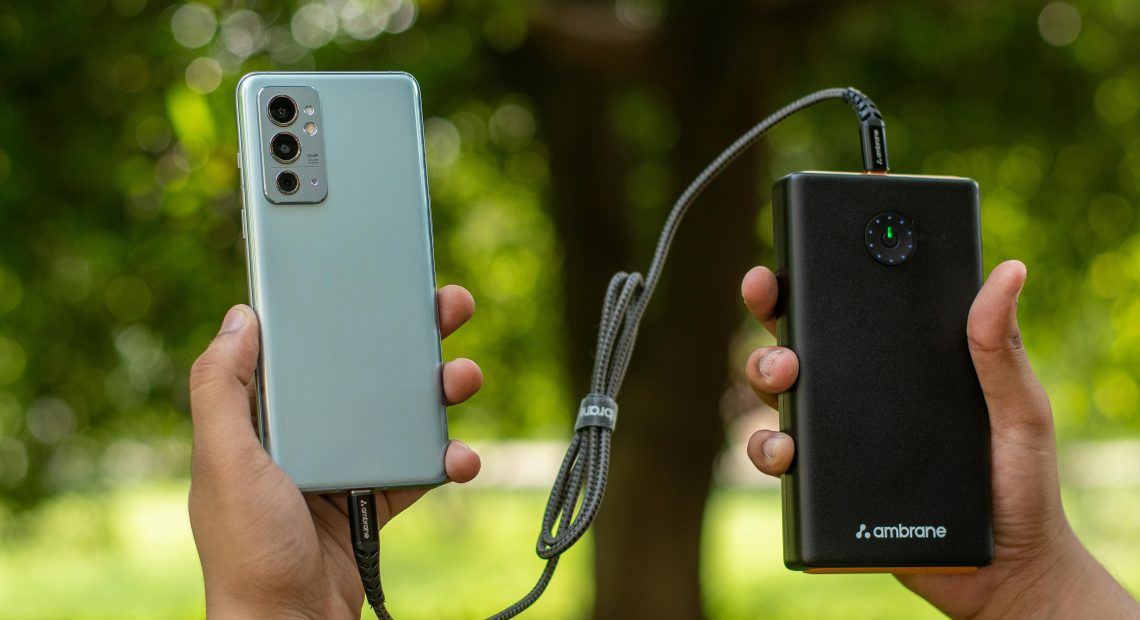
Image: Credit: Lithium-ion and lithium-polymer batteries, commonly found in consumer electronics and portable chargers, are vulnerable to overheating, especially when damaged or poorly manufactured. Credit: Debraj Roy