Last week’s meetings in Shanghai and Hangzhou with public and private companies, as well as industry and macroeconomic experts, highlighted China’s rapid adoption of AI and technology, particularly in healthcare. Although China entered AI later than Western peers, local firms have quickly leveraged advanced technologies, including large language models from Deepseek and Alibaba, driving innovation at remarkable speed. Examples include an affordable robotic laparoscopic surgery system and advanced industrial automation solutions, reflecting a strong R&D focus. These innovations are critical given the country’s ageing population and shortage of healthcare professionals.
The broader macroeconomic environment remains subdued, with consumer sentiment slow despite government plans to stimulate consumption over the next five years through subsidies and private sector support. Residential property prices have declined since April 2022, with Shanghai down 15–20%, limiting discretionary spending. Households with higher equity allocations are spending more on premium goods, suggesting potential for further equity market participation.
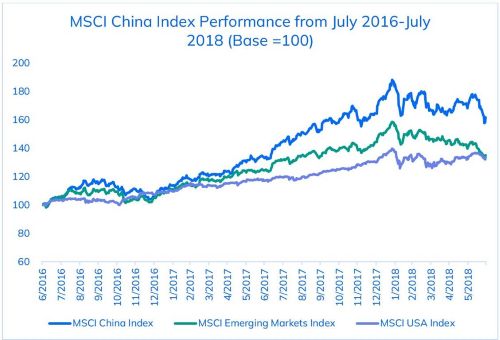
MSCI China Index earnings growth has lagged since 2018, with 2025 expected to be 4% lower than 2018 levels. Key drivers for recovery include technology and cloud expansion, high-end manufacturing growth, targeted policy measures, and renewed focus on profitability. If these trends persist, consecutive years of double-digit earnings growth are achievable.