Image Credit : Gulf News
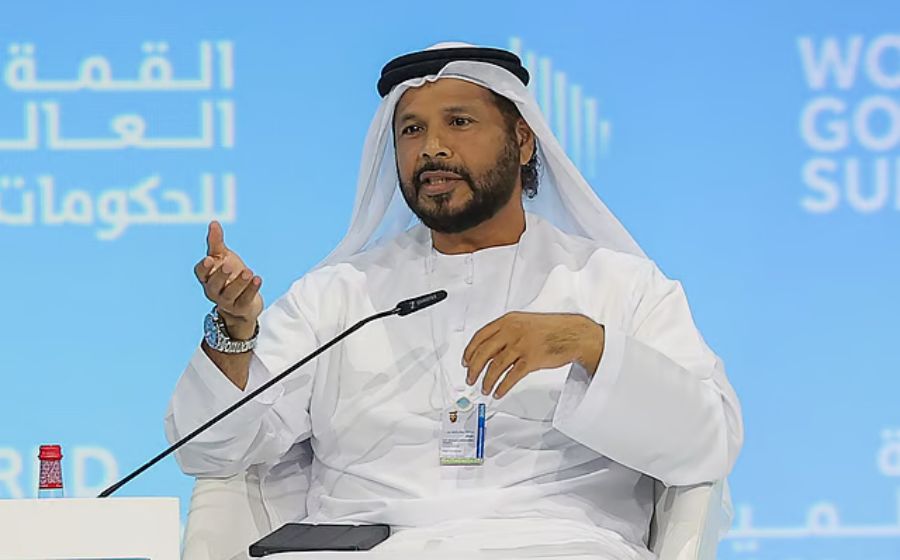
Behind Dubai’s iconic skyline and postcard-ready landmarks lies an often unseen layer of planning and policy that turns the city into a place people want to return to again and again, according to Marwan Ahmed Bin Ghalita, Director General of Dubai Municipality.
Speaking during a World Governments Summit session on preserving the human soul in cities, Bin Ghalita said Dubai issued more than 37,000 building permits in 2025 while welcoming over 33 million visitors to municipal facilities. The real success, he stressed, is not measured in structures built, but in the quality of experiences created.
“Using a facility once is not our goal,” he said. “Our aim is for people to come back, to parks, beaches and open spaces, because they feel something there and create memories.”
A clear example of this approach is Dubai’s night beaches. While many global cities close beaches at sunset, Dubai amended regulations to allow night access, supported by additional safety measures to cater to visitors arriving at all hours. The concept has since inspired similar initiatives worldwide.
“The beauty of Dubai is that when a good idea emerges, the rules can change for the benefit of people,” Bin Ghalita noted. He added that even simple elements, such as playground swings, are backed by research into what makes children and families want to return.
This human-centred philosophy underpins the Blue and Green Spaces Roadmap 2030, reviewed by Sheikh Mohammed bin Rashid Al Maktoum. The roadmap includes projects worth more than Dh4 billion, targeting the planting of 1.5 million trees, the development of 120 parks spanning three million square metres, and a 400 per cent increase in beach facilities by 2030.
Dubai Municipality has also partnered with China’s Shenzhen to introduce the “sponge city” concept, which uses green roofs, permeable surfaces and smart systems to absorb and reuse rainwater, reduce flooding and support low-carbon urban development. The collaboration aligns with the Dubai 2040 Urban Master Plan and advances AI-driven water management.
The human connection between architecture and nature was echoed by renowned architect Santiago Calatrava, who described watching the full moon rise between Dubai’s skyscrapers from his hotel room ahead of the summit.
“Architecture has the power to create interaction with nature, even at a very large scale,” he said. “We are part of nature, and even our biggest creations, like city skylines, can interact with it in a harmonious way.”
Internally, Dubai Municipality is embedding this philosophy through its workforce, with young professionals making up 45 per cent of its team. Bin Ghalita said empowering youth is essential, as they will live in and shape the city’s future alongside their families.
He also highlighted cooperation across government entities as a critical, yet unseen, factor behind Dubai’s success. “This collaboration is the invisible infrastructure people don’t see,” he said. “It’s a team effort that adds real value to every project.”
Together, these invisible forces of design, policy and teamwork continue to shape Dubai as a city built not just to impress, but to be experienced, remembered and revisited.