Photo Credit: WAM
Dubai, UAE — March 2026 — Despite the formidable environmental hurdles of scarce water and limited arable land, the Gulf Cooperation Council witnessed a robust upswing in its agriculture, livestock, and fisheries sectors throughout 2024.
This growth underscores the increasing strategic importance of these industries in shoring up food security and propelling the region’s economic diversification agenda.
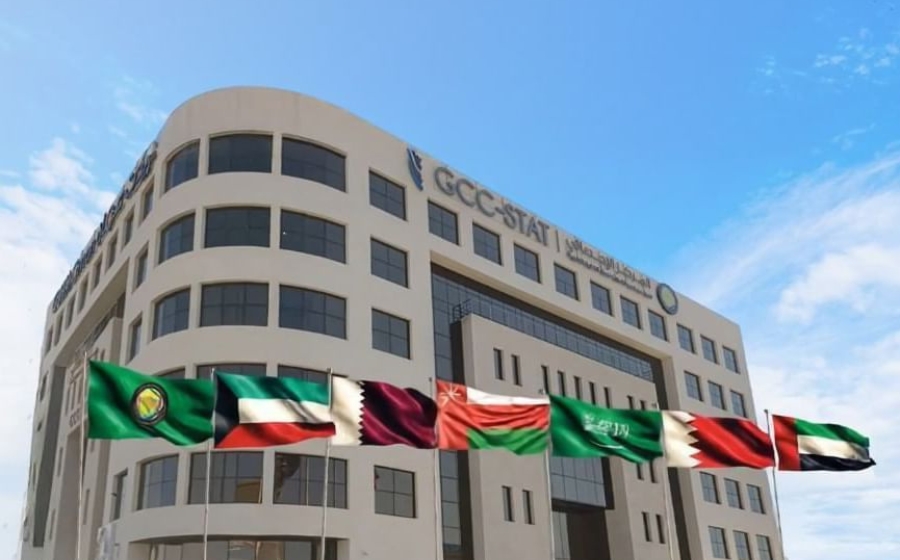
According to data from the Statistical Centre for the Cooperation Council for the Arab Countries of the Gulf, and carried by the Emirates News Agency, the combined agriculture and fishing sector contributed approximately $40 billion to the region’s gross domestic product at current prices last year.
This represents a notable 5.1 percent increase compared to 2023, while the sector’s overall share of the GCC’s GDP held steady at 1.7 percent. The positive trajectory was further evidenced in trade, with the value of agricultural and fisheries exports climbing by 7.5 percent to reach $7.8 billion.
Concurrently, imports rose by 10.1 percent to $38.7 billion, a trend pointing to concerted efforts to enhance local production efficiency while strengthening the entire food security system.
The sector’s overall vitality was driven by tangible gains in crop, livestock, and fish production, coupled with a strengthening of both internal GCC trade and external commerce in these goods.
Total crop production across the member states hit approximately 12.7 million tonnes in 2024, a 3.9 percent rise from the previous year’s 12.2 million tonnes.
Vegetables formed the cornerstone of this output, accounting for nearly half of all plant production by volume, cementing their central role in the regional diet and food structure.
Parallel growth was observed in the livestock sector, with the total number of animals reaching around 42.5 million head, marking a 3.6 percent increase. Sheep retained their dominant position, comprising 60.5 percent of the total herd with 25.7 million head.
They were followed by goats at 12.5 million, camels at 3.2 million, and cattle at 1.2 million. The data also highlighted the particular importance of goats in certain member states, where they represent 64.4 percent of domestic livestock in the Sultanate of Oman and 44.4 percent in the United Arab Emirates.
Production of key animal products also saw significant expansion. Table egg production soared to approximately 12 billion eggs in 2024, an 8.4 percent jump from 11 billion in 2023.
Saudi Arabia led this indicator, accounting for over 70 percent of the total, followed by Kuwait, the UAE, and Oman. Even more striking was the performance of the poultry meat sector, which experienced a substantial 17.9 percent surge to reach 1.6 million tonnes, up from 1.4 million tonnes the year before. This points to a rapid scaling-up of regional food production chains.
The fisheries sector emerged as one of the fastest-growing food industries of the year, with total production climbing by an impressive 12.2 percent to around 1.1 million tonnes.
This leap reflects a growing strategic focus on both wild catch and aquaculture as vital avenues for diversifying food sources and enhancing self-sufficiency. The GCC’s extensive coastlines, combined with strong logistical and investment capabilities, provide a solid foundation for this growth.
The achievements of 2024 are particularly striking when viewed against the region’s natural constraints. The total land area of the GCC countries spans roughly 2.4 million square kilometres, yet the land dedicated to agriculture is a mere 9,200 square kilometres, just 0.4 percent of the total.
This stark limitation underscores the severe geographical and environmental challenges that make traditional farming difficult. In response, GCC nations are sharpening their focus on improving resource efficiency, adopting cutting-edge agricultural technologies such as protected agriculture, and expanding investment in water-based food production like aquaculture.
The spirit of regional cooperation was also evident in trade flows. Intra-GCC exports of agricultural products grew by 7.2 percent, reaching $4.8 billion in 2024. Fish exports traded within the bloc performed even more strongly, rising 13.3 percent to $214.4 million.
These figures signal a deepening level of trade and food integration, and highlight the emergence of certain member states as key regional logistics hubs for the re-export and redistribution of food products.
This collective performance confirms that GCC countries are making decisive progress in bolstering Gulf agricultural integration. Guided by a unified strategy, the focus remains on the optimal use of available resources, securing food supplies through domestic production, and encouraging joint ventures with active private-sector participation.
This collaborative approach is underpinned by several joint GCC programmes, including those for coordinating agricultural plans and policies, managing natural resources, and enhancing food production, all supported by a comprehensive framework of unified agricultural laws.