Photo Credit: WAM
Dubai, UAE — March 2026 — Gulf Cooperation Council countries are strengthening their foothold as a dominant force in global energy markets, leveraging vast natural resources, cutting-edge infrastructure, and decades of sector expertise to navigate a changing economic landscape.
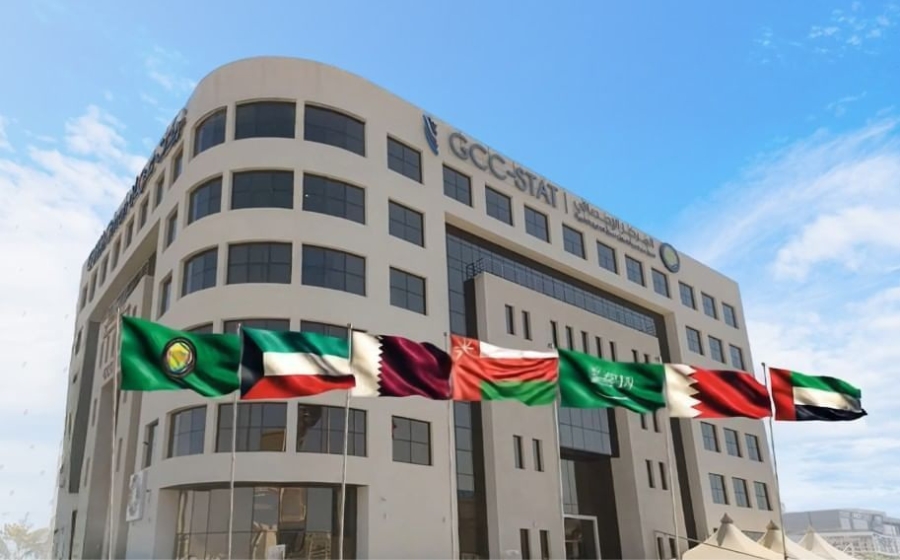
New data released by the GCC Statistical Centre revealed that this also highlights a strategic pivot, as the region moves beyond traditional production models toward diversification and efficiency, WAM reported.
The Gulf oil sector remained a cornerstone of the regional economy in 2024. The value added by the industry at current market prices reached approximately $561.2 billion, contributing 24 percent to the Gross Domestic Product. At constant prices, the sector contributed $541.9 billion, accounting for 29.3 percent of GDP.
While the financial contribution remained robust, the data indicates a measured adjustment in output. Crude oil production saw a 5.4 percent decline in 2024, averaging 16.1 million barrels per day, down from 17.0 million barrels per day in 2023. Similarly, crude oil exports decreased by 7.2 percent to 11.5 million barrels per day, compared to 12.3 million barrels per day the previous year.
Despite the dip in production, the GCC’s share of global energy flows remained substantial. In 2024, the region accounted for 21.8 percent of global crude oil production and a striking 26.6 percent of global crude exports.
The natural gas sector mirrored this trend, with marketed production holding steady at 442.0 billion cubic meters—a marginal 0.4 percent decrease from 2023. The GCC contributed 10.0 percent of global natural gas production and 13.5 percent of its exports.
The GCC Statistical Centre’s “Energy Statistics” publication underscores the vast wealth still underground. The region holds 32.7 percent of the world’s oil reserves and 21.2 percent of its natural gas reserves, with current figures standing at 511.9 billion barrels of crude oil and 44.3 trillion cubic meters of natural gas.
The average annual growth rate for crude oil reserves between 2020 and 2024 was an impressive 30.7 percent, while gas reserves grew at an average rate of 1.0 percent.
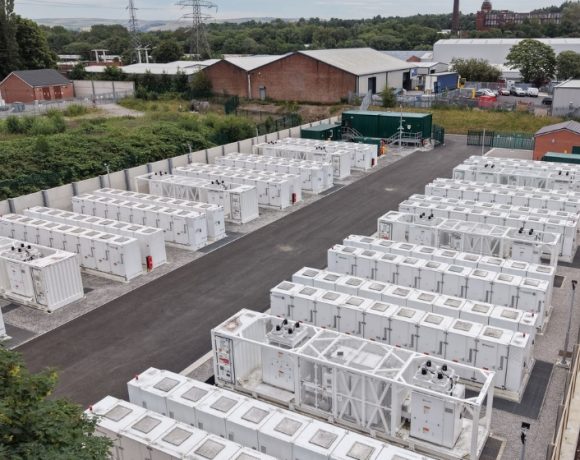
Beyond hydrocarbons, the report signals the Gulf’s growing commitment to energy transition goals. The total installed renewable energy capacity in GCC countries reached 14.2 gigawatts in 2024.
Although this represents just 0.3 percent of global capacity, it reflects a rapidly accelerating investment in solar and other clean technologies as part of a broader strategy to diversify energy sources and enhance sustainability.
Infrastructure integration also proved economically vital. The GCC electricity interconnection projects generated significant economic savings, totaling $540.5 million, with the volume of electricity exchanged among member states hitting 1,795.9 gigawatt-hours. This cooperation underscores a regional shift toward comprehensive energy management, ensuring stability and efficiency across borders.
The data paints a picture of a region evolving from a pure-play exporter into a multi-faceted energy hub. By balancing its dominant hydrocarbon sector with strategic investments in renewables and infrastructure, the Gulf is cementing its influence on the global stage while preparing for the energy demands of the future.