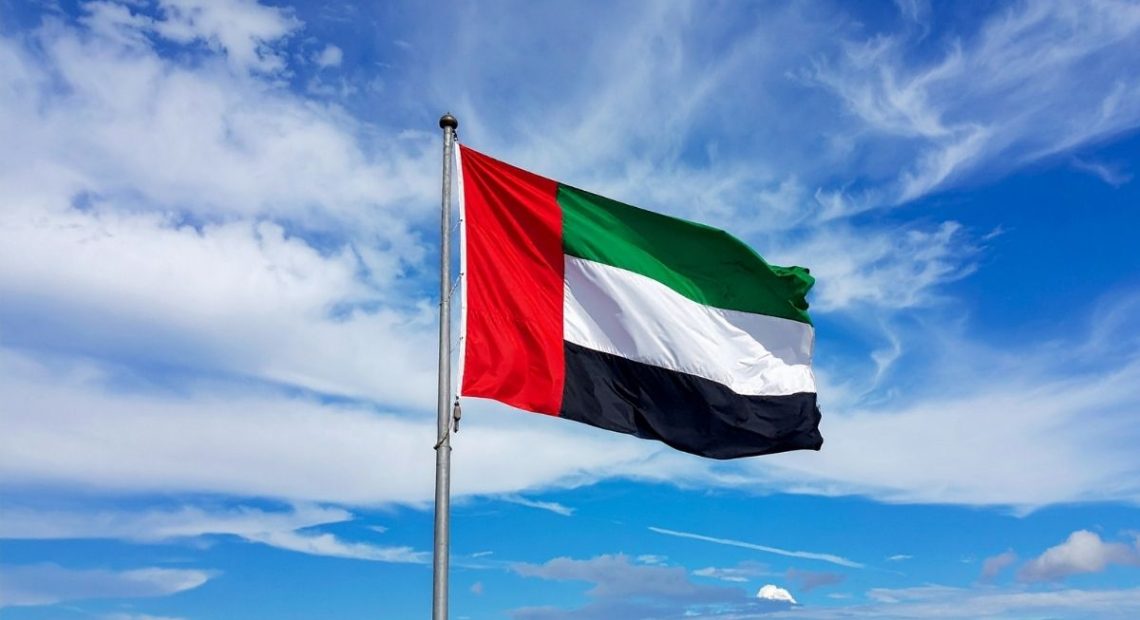
Dubai, UAE — April 2026 — The United Arab Emirates has announced its decision to withdraw from the Organization of the Petroleum Exporting Countries and the OPEC+ alliance, effective May 1, 2026.
According to the Emirates News Agency, the move aligns with the UAE’s long-term strategic and economic vision, as well as the evolution of its energy sector, including accelerated investment in domestic energy production.
It reinforces the nation’s commitment to being a responsible and reliable producer that anticipates the future of global energy markets, WAM reported.
The decision follows a comprehensive review of the UAE’s current and future production capacity, driven by national interest and the obligation to effectively meet urgent market demands. Ongoing geopolitical volatility in the Arabian Gulf and the Strait of Hormuz continues to affect supply dynamics, while underlying trends point to sustained global energy demand growth over the medium and long term.
The stability of the global energy system relies on flexible, reliable, and affordable supplies, and the UAE has invested in efficiently and responsibly meeting demand shifts while prioritizing supply security, cost, and sustainability.
This move comes after decades of constructive cooperation; the UAE joined OPEC in 1967 through the Emirate of Abu Dhabi, maintaining its membership after the country’s formation in 1971. Throughout this period, the UAE played an active role in supporting oil market stability and fostering dialogue among producers.
After leaving OPEC, the UAE will continue its responsible role by gradually and carefully increasing production in line with demand and market conditions. Leveraging a large and competitive resource base, the UAE will keep working with partners to develop resources, supporting economic growth and diversification.
Importantly, this decision does not alter the UAE’s commitment to global market stability or its collaborative approach with producers and consumers; rather, it enhances its ability to respond to changing market requirements.
The UAE expressed appreciation for the efforts of OPEC and the OPEC+ alliance, acknowledging its significant contributions and sacrifices within the organization for the common good. However, it is now time to focus efforts on the UAE’s national interest, its commitments to investment and import partners, and market needs.
The UAE reaffirmed continued responsible production policies focused on market stability, taking into account global supply and demand. The country will persist in investing across the energy value chain, including oil, gas, renewables, and low-carbon solutions, to support long-term resilience and transformation in the energy system.
The UAE values more than five decades of cooperation with partners and will maintain active engagement to support the stability of global energy markets.