
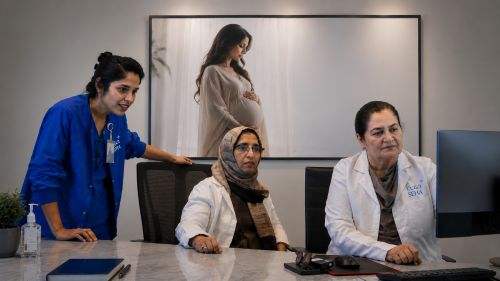
SEHA, a subsidiary of PureHealth, the largest healthcare group in the Middle East, has announced the successful management of a high-risk pregnancy resulting in the safe delivery of a healthy baby to a mother with longstanding type 1 diabetes and associated vascular complications at SEHA’s Corniche Hospital.
Diagnosed with type 1 diabetes at the age of 16, the patient had experienced significant challenges in glycaemic control over the years, leading to retinal and renal complications. Such cases are associated with increased risks during pregnancy, including pre-eclampsia and intrauterine fetal demise.
Given the complexity of her condition, the patient was managed by a dedicated high-risk obstetrics and obstetric medicine team at SEHA’s Corniche Hospital through a coordinated multidisciplinary model of care. Her management plan included personalised insulin dose optimisation, close monitoring in the diabetes clinic, structured nutritional support from dietitians and diabetes educators, and specialised fetal growth assessments through the Fetal Medicine Unit.
During the first trimester, the team closely monitored hypoglycaemic episodes associated with pregnancy-related nausea and vomiting. In later stages, clinical focus shifted toward preventing hyperglycaemia to preserve placental function and avoid excessive fetal growth. Through careful planning and strong patient engagement, she achieved excellent pre-conception glycaemic control, with an HbA1c of 5.8%, and successfully maintained optimal levels throughout pregnancy.
Although her antenatal course remained largely stable, delivery was electively planned at 36 weeks’ gestation due to her pre-existing complications. The baby was delivered weighing 3.36 kg and is currently under the care of the hospital’s neonatology team. Both mother and baby are in good health and progressing well.
Dr. Tadala Chitema Saukila, Obstetrics Consultant at SEHA’s Corniche Hospital, said: “This case underscores the value of a comprehensive, patient-centred approach in managing complex pregnancies. When multidisciplinary teams collaborate closely and patients are fully engaged in their care, outcomes can be significantly improved even in high-risk situations.”
Dr. Nageena Mahmood, Consultant, Obstetric Medicine, added: “With rigorous monitoring and tailored interventions, women with high-risk pregnancies can achieve safe outcomes. Our coordinated approach ensures that potential complications are anticipated and proactively managed.”
Dr. Fathima Farook, Specialist, Obstetric Medicine, concluded: “Our experience in supporting women with type 1 diabetes during pregnancy demonstrates that with disciplined glycaemic control, successful maternal and neonatal outcomes are entirely achievable.”
This case reinforces that while type 1 diabetes presents considerable pregnancy risks, early planning, strict glycaemic control and coordinated multidisciplinary care can enable safe delivery and positive long-term health outcomes for both mother and child.