Abu Dhabi is entering a pivotal phase in its real estate journey, emerging as one of the UAE’s most compelling destinations for both end users and investors heading into 2026. With the capital’s population forecast to exceed 6 million by 2040, this growth is expected to support sustained long-term demand for housing and urban infrastructure.
Backed by national frameworks alongside infrastructure investment and regulatory transparency, the capital is steadily laying the foundations for long-term property demand. Against this backdrop, Object 1 outlines four key factors shaping Abu Dhabi’s next phase of real estate growth.
State-backed market direction
At the heart of the capital’s real estate trajectory is Abu Dhabi Economic Vision 2030, a long-term roadmap aimed at transforming the emirate into a diversified economy with reduced reliance on oil revenues. This vision is already in action, with Abu Dhabi’s non-oil economy growing 6.6% year on year in Q2 2025 to a record AED 174.1 billion, accounting for more than 55% of the total GDP. Complementing this is Plan Abu Dhabi 2030, the emirate’s Urban Structure Framework Plan, which guides sustainable urban expansion, infrastructure development, and connectivity. Together, these initiatives are laying the groundwork for resilient growth and long-term confidence in Abu Dhabi’s property market.
Connectivity driving global demand
Strategically positioned between Europe, Asia, and Africa, the UAE places a significant portion of the world’s population within an eight-hour flight, supported by an integrated network of airports, ports, and highways. This connectivity continues to strengthen, with Abu Dhabi Airports recording more than 15.8 million passengers in the first half of 2025, reflecting sustained growth in international travel. Key assets such as Khalifa Port and Zayed International Airport further the city’s growing appeal among international property buyers. The benefit of this global accessibility is reflected in Object 1’s buyer data, which shows strong interest from India, European Union’ countries, UAE, Turkey, and CIS countries.
Momentum across multiple districts
Abu Dhabi’s real estate strength lies in the variety of opportunities across price points and buyer profiles. In H1 of 2025 alone, the emirate recorded more than AED 50 billion in transaction value, marking a 39% year-on-year increase. Premium demand continues to centre on Saadiyat Island, where ultra-luxury transactions remain strong, including a recent AED 400 million mansion sale, while Yas Island benefits from ongoing leisure and destination-led expansion. Mid-tier investors are increasingly drawn to Al Reem Island and Masdar City, and at the affordable end, Al Reef and Al Ghadeer lead on yield.
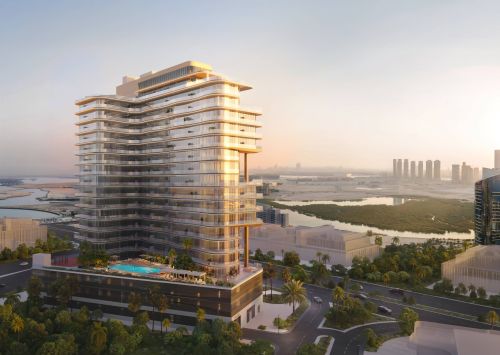
As part of its strategic expansion into the capital, Object 1 has secured several waterfront plots on Al Reem Island, spanning approximately 2.2M sq ft.
Market built for investors
The UAE’s political and social stability, open economy, and investor-friendly regulatory environment continue to underpin confidence in its real estate market. Foreign investors benefit from incentives such as zero personal income tax and up to 100% foreign ownership across free zones and selected sectors. These fundamentals have translated into strong capital inflows, with the UAE recording its highest-ever foreign direct investment in 2024 at USD 45.6 billion, placing it among the world’s top 10 destinations for FDI.
In Abu Dhabi, institutions such as Abu Dhabi Global Market (ADGM) and innovation ecosystems like Hub71 further reinforce investor confidence, attracting global businesses, talent, and capital that continue to drive sustained demand for both residential and commercial real estate.
Where the market is heading
Abu Dhabi’s real estate demand is expected to remain strong as new supply enters the market, helping to keep price growth moderate for buyers. This is supported by sustained international investor interest in lifestyle-led, smart, and sustainable communities. With major developments and attractions in the pipeline, Abu Dhabi is well-positioned for the next phase of growth.