Released amid a dynamic and complex global economic landscape, the Julius Baer Global Wealth and Lifestyle Report 2026 highlights the effects of geopolitical tensions, evolving trade routes, and volatile foreign exchange markets. Even with resilient financial markets, these macroeconomic shifts are significantly altering the cost of living for the worlds affluent.
Globally, the price of a premium standard of living climbed by an average of 10.2 per cent in US dollar terms over the past year. Crucially, this uptick was driven less by localized inflation and more by dramatic currency fluctuations. Cities tied to strengthening currencies, like the euro and Swiss franc, experienced sharp price hikes for high-end goods. Conversely, locations anchored to the US dollar charted a different course, presenting more appealing cost structures for affluent expatriates and internationally mobile families.
Dubai – resilient regional hub
Within this shifting global environment, Dubai firmly establishes itself as a resilient regional hub that harmonises luxury, enterprise, and forward-thinking innovation. As prices in major European and Asian capitals skyrocketed, the UAE dirham’s enduring peg to the US dollar proved advantageous for Dubai’s standing on the world stage. Dubai stands at the 14th place in this year’s index. While this represents a relative shift in the ranking, it is explained more by other cities in the index becoming more expensive than by Dubai becoming more affordable.
The city’s relative affordability is not a result of declining local costs, but rather an outcome of rival global wealth hubs becoming substantially more expensive. For those living in Dubai, this means their day-to-day purchasing power remains largely protected from global volatility. For the international elite, Dubai shines as a stable, strategic nexus connecting the East and West, bolstered by a welcoming business environment and progressive regulatory frameworks.
The report’s lifestyle data shows that Dubai emerges as a competitive market for high-value expenditures. When assessed against peer cities worldwide, the emirate delivers undeniable advantages for major purchases. The costs associated with premium automobiles, jewellery, and business-class travel are highly attractive on a global scale, drawing high-spending consumers to the emirate.
Most notably, Dubai’s prime real estate market continues to present exceptional relative value compared to the astronomical property prices seen in top-tier Asian and European hubs, acting as a magnet for continued wealth migration. Despite this favourable pricing, the city maintains its premium standards, achieving top marks for exclusive experiences such as five-star hospitality and Michelin-calibre dining.
Middle East Wealth and Legacy Trends
On a regional level, the Middle East showcases a bold and confident approach to wealth generation. Fuelled by rising asset valuations, a third of the region’s HNWIs recorded major financial gains – a figure more than double that of their European counterparts. This financial optimism translates directly into economic activity, with 43 per cent of affluent Middle Easterners increasing their investment and lifestyle spending, comfortably surpassing the rates seen in the Americas and Europe.
Demographics also play a critical role; with 98 per cent of respondents residing in larger family households, there is a focus on preserving generational wealth. Over the last year, six in ten HNWIs proactively addressed succession planning. To navigate this intricate process, the Middle East has become the global leader in professionalised wealth management, with 65 per cent leveraging family offices and 73 per cent establishing formal family governance frameworks.
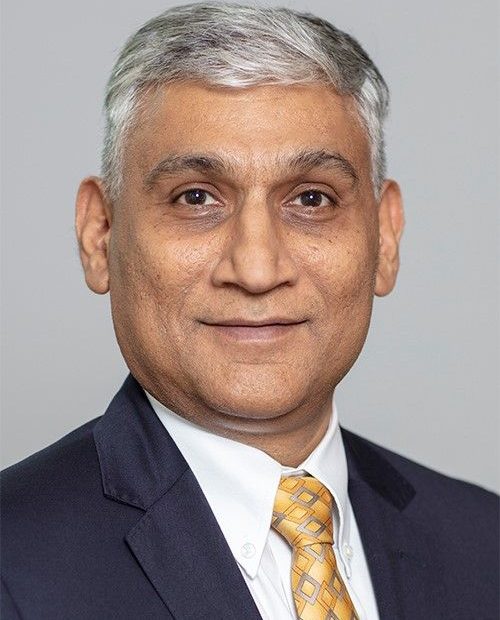
Rishabh Saksena, Co-Head Global Asset Class Specialists, Julius Baer, said: The Middle East, especially the Gulf Cooperation Council (GCC), entered 2026 from a position of strength but have recently faced headwinds from heightened geopolitical uncertainty impacting short term growth prospects.
Oxford Economics and ICAEW now forecast Gulf Cooperation Council (GCC) GDP to contract by 0.2 per cent in 2026, against a previously projected 4.4 per cent expansion for the year, with a strong rebound of 8.5 per cent projected for 2027 as conditions normalise.
The near-term pressure is concentrated in sectors most exposed to confidence and connectivity. Tourism, hospitality, real estate, and aviation have absorbed the most direct impact that might last till the end of the year with dampened sentiment and demand. Governments across the Gulf have responded with targeted fiscal measures, while central banks moved to protect liquidity and maintain market stability, drawing on the deep fiscal buffers accumulated through years of deliberate economic reform.
The longer-term trajectory for the GCC is defined by a structural transformation that predates the current environment. Non-oil sectors now account for approximately 73 per cent of the GCC’s total GDP and artificial intelligence has moved to the centre of each government’s economic architecture, with sovereign capital deployed through dedicated national vehicles and clear national strategies across the Gulf. AI is projected to contribute up to USD 320 billion to the Middle East economy by 2030.
Supportive residency frameworks and stronger regulatory policies will continue to attract capital flows, institutional investment, and wealth migration to the region’s leading financial centres, reinforcing their long-term position in the global financial landscape.
For Julius Baer, the near-term complexity does not alter our long-standing conviction in the region. The Middle East, and the GCC in particular, presents a compelling combination of structural reform, fiscal strength, and strategic ambition.
Lifestyle survey findings
Beyond the hard numbers, the underlying Lifestyle Survey captures shifting mindsets among the global elite. Navigating an era of prolonged unpredictability, affluent individuals are recalibrating their priorities. A distinct two-speed luxury market has emerged globally, yet the appetite for exclusive experiences remains universally strong. Demand for high-end dining and luxury travel continues to soar – sectors where Dubai inherently thrives.
Additionally, investments in personal well-being have spiked, cementing the philosophy that “health is wealth” and emphasising longevity as a critical asset. The 2026 findings confirm that modern wealth transcends traditional financial portfolios. It now deeply integrates holistic well-being, familial stability, and personal security – domains where Dubai and the broader Middle East are currently demonstrating robust regional leadership.
To download the Julius Baer Global Wealth and Lifestyle Report 2026, please visit: www.juliusbaer.com/GWLR