
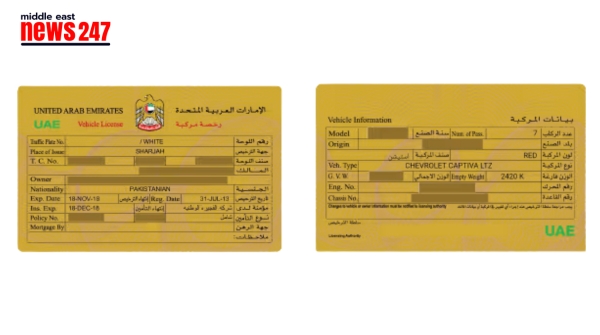
A VIN check or chassis number check is one of the smartest steps before purchasing a second-hand car in the UAE. By checking the vehicle details through official databases, you can uncover past damage, accident history, ownership conflicts, hidden liens, and other serious issues that may not be visible at first glance. In my experience, many buyers focus on a clean exterior, but appearances can be deceiving when it comes to a used car. A proper VIN search helps with identifying any previous collision, reducing risk, and giving you greater confidence before making a final decision.
How to check a vehicle’s chassis number in UAE?
As someone who has reviewed many vehicle records in the UAE, I always recommend starting with the 17-digit VIN or Vehicle Identification Number, also known as the VIN, which can be found on the registration card, Mulkiya, dashboard, or driver’s side door jamb. Once you have the number, use trusted platforms such as Emirates Vehicle Gate, EVG, Ministry of Interior, or MOI to access vehicle history reports, including accident history, ownership, and theft records. For Dubai-registered vehicles, you can request an RTA Technical Vehicle Status Certificate for AED 120 to verify additional details. If you need a more detailed inspection report, Tasjeel also provides vehicle verification services, with some comprehensive checks costing around AED 475, making it easier to confirm a vehicle’s background before buying or selling.
What is a Chassis Number (VIN)?
A Vehicle Identification Number (VIN), also known as a chassis number, is a unique 17-character alphanumeric code assigned to every vehicle manufactured since 1981. Think of it as the car DNA that helps identify important details such as the make, model, year, and manufacturer. From my experience checking vehicle records in the UAE, this code is one of the most reliable ways to verify a vehicle’s history, confirm its legitimacy, and reduce risks when buying used cars. A VIN check can reveal valuable information and help buyers make more informed decisions before completing a purchase.
Chassis Number vs. VIN: What’s the Difference?
In modern contexts, the VIN is a complete 17-digit code created under ISO 3779 standards, while the chassis number often refers to the last 6–8 digits of that identification sequence. From my experience checking vehicle records in the UAE, many people use both terms interchangeably, but they are not exactly the same. The Digits 1–3 form the World Manufacturer Identifier, showing the country and maker of the vehicle. Digits 4–8 provide important vehicle specifications such as the model, body type, and engine details. Digit 9 is the check digit used for VIN validation, Digit 10 identifies the model year, and Digits 11–17 contain the unique serial number assigned to the vehicle. Understanding this structure helps when performing a Vehicle Chassis Number Check UAE and verifying vehicle history records accurately.
Why Check a Chassis Number in the UAE?
Before buying a vehicle in the UAE, a VIN check can reveal important details that are not always visible during an inspection. In my experience, reviewing a car’s accident history, past collisions, repairs, and any structural damage helps avoid costly surprises later. It also supports fraud detection by identifying tampered VINs, mismatched documents, and potential scams. A proper search can uncover theft records, confirm whether a vehicle was reported stolen, verify ownership details, assess seller legitimacy, and review information about previous owners. It is equally useful for mileage verification, helping buyers spot odometer fraud that is common in some used car markets. In addition, checking for outstanding traffic fines, active recalls, and official manufacturer recalls can prevent future issues. The report also helps confirm whether the vehicle meets GCC specifications or falls under non-GCC specifications, giving buyers a clearer picture before making a final decision.
Where to Find Your Vehicle’s Chassis Number (VIN)
For a Vehicle Chassis Number Check UAE, the easiest place to start is the Registration Card or Mulkiya, also known as the UAE vehicle registration card, where the VIN is officially recorded. From my experience checking vehicle histories, it is always wise to verify the same number on the vehicle itself. Look at the driver’s side dashboard through the windshield at the lower left corner, then inspect the driver’s side door jamb where a sticker or metal plate is often attached near the door latches. Some vehicles may also display the VIN under the hood in the engine bay, on the firewall, or radiator support. You can further confirm the details using vehicle documents, insurance papers, purchase invoice, and service records. In certain models, the VIN may also be found in the trunk area, near the spare tire, or beneath the floor panel. Always cross-check every VIN location and watch for mismatches, signs of tampering, scratched numbers, or altered numbers, as these are serious red flags that could indicate fraud or theft.
What Does a Chassis Number Check Reveal in the UAE?
A VIN check can reveal a detailed history report that helps buyers make an informed decision before purchasing a vehicle. From my experience, it is one of the easiest ways to spot fraudulent activities such as mismatched VINs, tampering, stolen parts, and cloning. The report can confirm the vehicle age, brand, manufacturing year, make, model, and origin, showing whether the car is GCC or imported. It may also provide accident history, including collisions, estimated repair costs, airbags deployment details, and accident severity. A check can uncover theft history through police databases and MOI databases, while mileage records and odometer readings help detect rollback fraud. In addition, it can display ownership history, previous owners, registration transfers, traffic fines, outstanding traffic fines, recalls, specifications, GCC specs, and warranty eligibility. For example, a 2018 Toyota Camry registered in 2020 may appear genuine at first, but a report could expose non-GCC parts or an AED 500 fine, giving you stronger grounds to negotiate the final price.
Free vs. Paid Chassis Number Check Tools in the UAE
| Platform | Cost | Coverage | Details Provided |
| Emirates Vehicle Gate (EVG) | Free | Abu Dhabi, Sharjah, Ajman, Umm Al Quwain, Ras Al Khaimah, Fujairah | Accident history, location, and report numbers |
| Ministry of Interior (MOI) | Free | All emirates (limited to Dubai-only registrations) | Accident history, dates, and severity |
| Abu Dhabi Police | Free | Abu Dhabi-registered vehicles | Accident and theft records |
| RTA Dubai (Technical Vehicle Status Certificate) | AED 120 | Dubai-registered vehicles | Accidents, ownership, insurance, fines |
| Tasjeel Service Centres | ~AED 475 | All emirates | Accidents, mileage, fines, and ownership |
| CarReport | AED 99 | UAE and imported vehicles | Accidents, ownership, mileage, valuation |
| CarFax | AED 119.77 | UAE and imported vehicles | Accidents, flood damage, and service history |
Emirates Vehicle Gate (EVG) – Free
The Emirates Vehicle Gate (EVG) is a free option for checking a vehicle’s accident history across several emirates, including Abu Dhabi, Sharjah, Ajman, Umm Al Quwain, Ras Al Khaimah, and Fujairah. From my experience, it is one of the quickest ways to review records before purchasing a used car. Simply enter the 17-digit VIN in the Quick Search search field to access available accident details, including the location, date, and report number linked to incidents managed through Traffic Accidents Management systems. If no records are found, the result may display No Accidents. However, users should understand the limitations of the platform, as Dubai data may not always be fully included, making it important to verify records through additional sources when needed.
Ministry of Interior (MOI) – Free
For a Vehicle Chassis Number Check UAE, the MOI (Ministry of Interior) platform offers a free and quick way to review vehicle records across different emirates, including Dubai. By visiting portal.moi.gov.ae, users can access the Accidents Inquiry service, enter the VIN, and use the Search function to check accident history details. The report may display accident dates, locations, and severity, helping buyers better understand a vehicle’s past before making a decision. In my experience, the system provides broader coverage than many basic tools and can even return No Records when no accident information is available, making it a useful starting point for verifying vehicle history in the UAE.
Abu Dhabi Police – Free
For buyers and residents looking to verify Abu Dhabi-registered vehicles, the Abu Dhabi Police platform offers a free way to perform accident checks and theft checks before making a purchase. By visiting adpolice.gov.ae and using the Vehicles’ Accidents Inquiry service, you can enter the VIN to review available accident records and theft records linked to a vehicle. From my experience, checking these details in advance helps identify potential issues and gives greater confidence when evaluating a used car in the UAE.
Roads and Transport Authority (RTA) Dubai – AED 120
Getting a Vehicle Status Certificate from the Roads and Transport Authority (RTA) in Dubai is one of the most reliable ways to verify a vehicle before purchase. For AED 120, users can request a Technical Vehicle Status Certificate through Traffic Services by submitting the vehicle VIN and required code. The certificate is typically sent by email and includes useful information about accidents, ownership, the current owner, outstanding fines, and insurance records. Based on my experience, reviewing this report helps identify potential issues and provides greater confidence during any vehicle transaction.
Tasjeel Service Centres – ~AED 475
When a basic VIN check is not enough, Tasjeel Service Centres offer a more complete inspection option through Tasjeel for around AED 475. Based on my experience, this service is useful when buying a used vehicle because it provides a detailed report built from verified data. The report can reveal important information about accidents, mileage, fines, and ownership, helping buyers verify a vehicle’s history before making a decision. For anyone researching a vehicle under the topic of Vehicle Chassis Number Check UAE: Free VIN Tools & Guide 2026, this inspection adds an extra layer of confidence beyond standard online checks.
Private Services: CarReport and CarFax
As someone who has checked many used vehicles before purchase, I find that CarReport and CarFax are useful options when reviewing imported vehicles and UAE cars through a VIN search. These websites provide detailed insights into accidents, ownership, mileage, valuation, service history, flood damage, and total loss records, helping buyers avoid costly mistakes. You can visit carreport.com or vehiclereport.me, use authorized resellers, pay the required fee such as AED 99 or AED 119.77, and download report results instantly. While free VIN tools offer basic information, these private services often deliver deeper vehicle background data that can make a significant difference when evaluating a used car.
Dubai
For Dubai-registered vehicles, a Vehicle Chassis Number Check UAE can be completed through RTA, EVG, and MOI platforms to review important vehicle records. In my experience, EVG is useful for quick accident checks, while RTA services can help verify Dubai-only data linked to a vehicle. For more detailed verification, Dubai Police also provides support through the helpline 901. Depending on the service selected, fees may range from AED 120 for basic inquiries to around AED 475 for comprehensive reports available through inspection centers such as Tasjeel. Using these official channels helps buyers and owners confirm vehicle history before making important decisions.
Abu Dhabi
For buyers and residents in Abu Dhabi, checking a vehicle’s chassis number is an important step before any purchase. Using trusted platforms such as EVG, MOI, and Abu Dhabi Police, you can perform accident checks and theft checks to review a vehicle’s background and avoid costly surprises. In my experience, combining these online records with an inspection from Tasjeel provides a more complete picture of the vehicle’s condition. Some detailed verification services may involve a fee of AED 475, making it easier to confirm ownership history, reported incidents, and overall vehicle status before making a final decision.
Sharjah, Ajman, Ras Al Khaimah, Umm Al Quwain, Fujairah
If you are buying a used vehicle in Sharjah, Ajman, Ras Al Khaimah, Umm Al Quwain, or Fujairah, checking the chassis number is one of the smartest steps before making a decision. From my experience, using platforms such as EVG, MOI, and Tasjeel can help uncover important vehicle records, including car accident history and ownership details. While basic VIN checks are often available online, a detailed report may cost around AED 475, depending on the service provider and the level of information requested. A proper chassis number check helps buyers avoid hidden issues and gain more confidence before completing a vehicle purchase.
Tips to Avoid Scams When Buying a Used Car in the UAE
Before agreeing to a lower price, always verify VIN consistency by comparing the number shown on the dashboard, door, hood, and Mulkiya. In my experience, even small mismatches can indicate tampering, fraud, theft, or vehicle cloning. Watch carefully for a scratched VIN, altered VIN, or replaced VIN plates, as each is a serious red flag. Ask the seller to share VIN details and verify them through EVG and MOI records. A professional inspection and mechanical inspection from Tasjeel, trusted garages, or Al-Futtaim Automall can reveal hidden issues. For imported cars from the US, Japan, or Europe, use CarReport and CarFax to review auction history, accident reports, and fine reports. It is also important to check for flood damage, especially after the post-2024 UAE floods, by looking for signs of water damage, musty odors, rust, and water stains, which are often overlooked but can lead to costly repairs later.
FAQ
1: How can I check a vehicle chassis number in the UAE?
You can check a vehicle chassis number by entering the VIN on official platforms such as EVG and MOI. The VIN is usually found on the Mulkiya, dashboard, door frame, or under the hood.
2: What is the difference between a VIN and a chassis number?
In most modern vehicles, the VIN (Vehicle Identification Number) and chassis number refer to the same 17-digit code used to identify a vehicle and access its history records.
3: How do I know if a VIN has been tampered with?
Look for signs such as a scratched VIN, altered VIN, replaced VIN plates, or mismatched numbers between the dashboard, door, hood, and registration documents. These can indicate fraud or theft.
4: Can I check the accident history of a used car in the UAE?
Yes, accident reports can be checked through EVG, MOI, and vehicle history services such as CarReport and CarFax, especially for imported cars from the US, Japan, and Europe.
5: Why should I inspect a used car for flood damage?
Flood-damaged vehicles may have hidden problems. Check for water stains, rust, musty odors, and signs of water damage, particularly in vehicles affected by the post-2024 UAE floods.