And counter Chinese influence
US Defence Secretary Pete Hegseth has unveiled a major expansion of the United States’ security partnership with Panama. The expansion aims to safeguard the strategic Panama Canal and counter what he called “China’s malign influence” in the region.
During a joint press conference in Panama City with Panamanian Public Security Minister Frank Abrego on April 10, 2025, Hegseth declared that the canal “must be secured by Panama, with America, and not China.”
“The era of capitulating to coercion by the communist Chinese is over,” Hegseth stated in his prepared remarks earlier in the day. “China’s growing and adversarial control of strategic land and critical infrastructure in this hemisphere cannot and will not stand.”
The announcement followed a three-day security conference attended by Hegseth in the Panamanian capital, culminating in signing a memorandum of understanding (MoU) between the two nations. The MoU outlines a renewed commitment to regional security cooperation, including enhanced joint training, information sharing, and infrastructure development.
“This MoU is a gateway for joint exercises, increased interoperability, and an enduring presence in critical locations,” Hegseth explained.
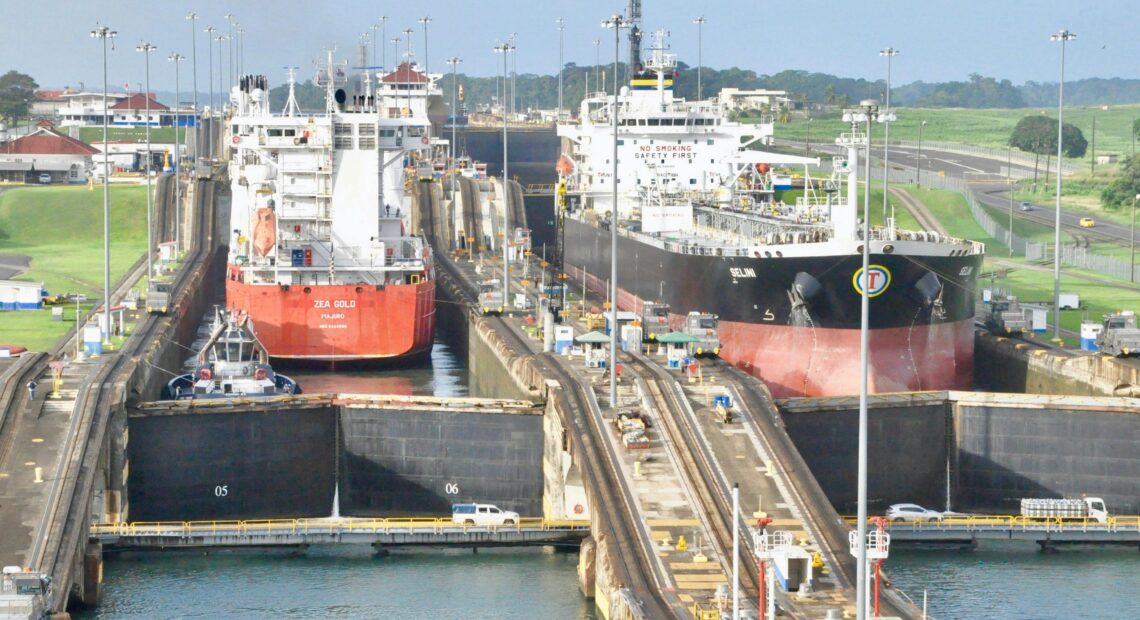
Hegseth also revealed that a forthcoming declaration would set the framework for allowing US military and auxiliary vessels “first and free” access through the canal, underscoring the waterway’s importance to American strategic interests.
“These documents reaffirm our historic ties and outline how we will deepen our relationship and strengthen bilateral canal security cooperation,” Hegseth said.
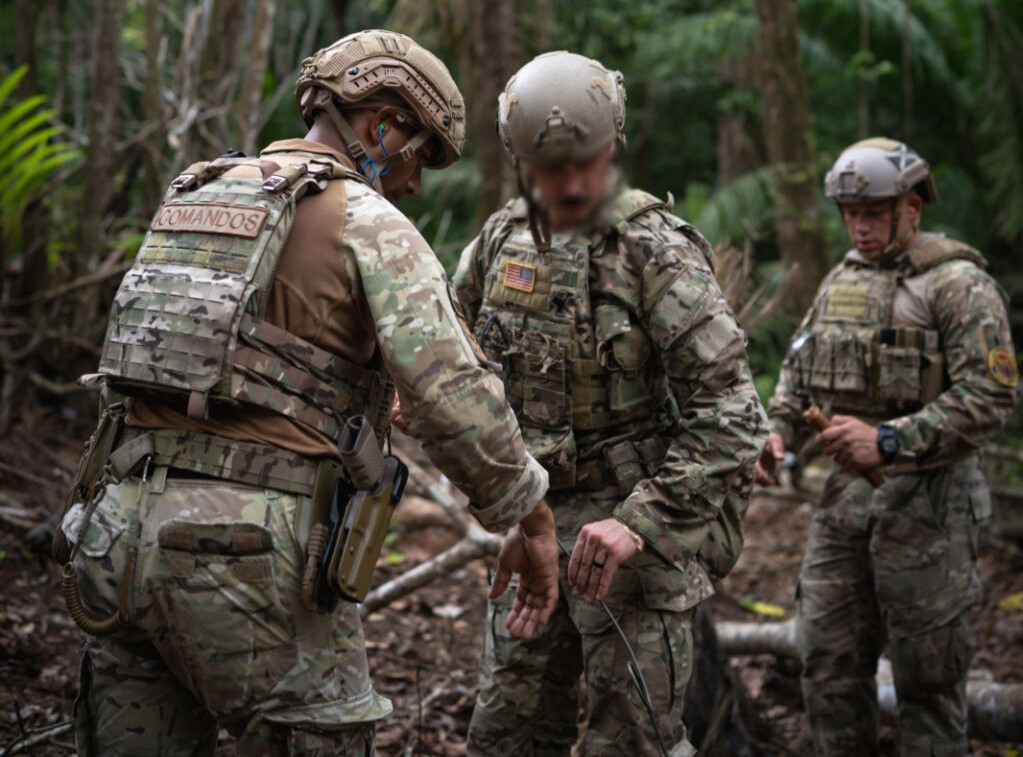
As part of the expanded cooperation, the US and Panama plan to reinstate a rotational joint military presence at several previously operational American bases, including Rodman Naval Station, Howard Air Force Base, and Fort Sherman. The latter will house a revitalised jungle warfare training centre for combined operations.
The broader security framework includes enhanced cyber cooperation, regular bilateral dialogues, and infrastructure upgrades to the canal itself. According to Hegseth, these efforts are meant to defend Panamanian sovereignty and reinforce regional resilience against malign foreign influence.
“Our countries reaffirmed our shared commitment to protecting Panamanian sovereignty, and we recognise the foundational importance of our constitutional governments — including respect for our neutrality treaty,” he said.
The 1977 Treaty Concerning the Permanent Neutrality and Operation of the Panama Canal, signed by the US and Panama, transferred control of the canal to Panama by 2000 but ensured it would remain open to global shipping under all circumstances. When asked if the US still respects Panama’s authority over the canal, Hegseth affirmed its sovereignty.
“When President Trump says, ‘We’re taking back the Panama Canal from Chinese influence,’ that involves partnership with the United States,” Hegseth said. “Panama’s invitation to US troops for rotational exercises speaks volumes.”
The US has a substantial presence in Panama, including two Navy guided-missile cruisers, a Coast Guard cutter, four F-18 fighter jets, and more than 1,000 personnel — including a Marine infantry company — conducting joint operations and training with Panamanian forces.
This summer, the hospital ship USNS Comfort is set to deploy to Panama, providing humanitarian aid and further strengthening diplomatic and military ties between the two nations.
Beyond canal security, the partnership also extends to combating regional criminal networks and bolstering border security. Hegseth highlighted Panama’s success in reducing illegal crossings through the Darién Gap — a notoriously treacherous jungle route linking Central and South America — by 99% over the past year.
“This is a golden age of clear-eyed Americanism,” Hegseth concluded. “We want this to be a golden age for our countries and this hemisphere. We seek not only to make America great again but to make the Americas great again.”
The deepened alliance between the US and Panama reflects Washington’s push to reassert its influence across Latin America in the face of mounting Chinese investment and military cooperation.
Hero image: US military and auxiliary vessels are set for “first and free” access through the Panama Canal, underscoring the waterway’s importance to American strategic interests. Credit: Michael D. Camphin