Unlocking growth for Boom Supersonic
The United States has announced it will lift its decades-old ban on supersonic commercial flights over land. This move could provide a major boost to American companies developing next-generation high-speed aircraft, including Boom Supersonic and Archer Aviation.
An executive order signed by President Donald Trump on June 6, 2025, directs the Federal Aviation Administration (FAA) to begin dismantling regulations that have prohibited civil aircraft from flying faster than the speed of sound over land in the US since 1973.
The changes are expected to clear a regulatory path for US aerospace companies to bring supersonic aircraft to market and regain ground in a sector once dominated by Concorde but now ripe for technological revival.
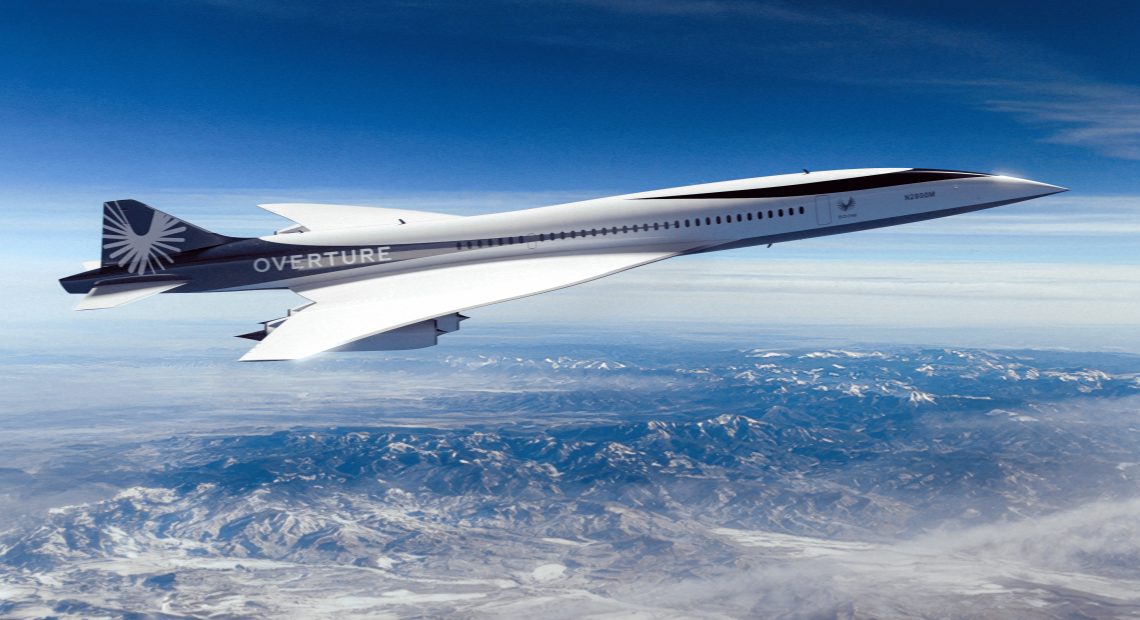
Boom Supersonic, based in Colorado, is developing the Overture aircraft with plans to begin commercial flights by 2029. The aircraft is designed to travel at Mach 1.7—more than twice the speed of current long-haul jets—and aims to cut transcontinental flight times in half.
Until now, the overland speed restrictions have limited Boom’s operational range and potential market size. The regulatory reform opens up new commercial opportunities, particularly for domestic routes where time savings could justify premium fares.
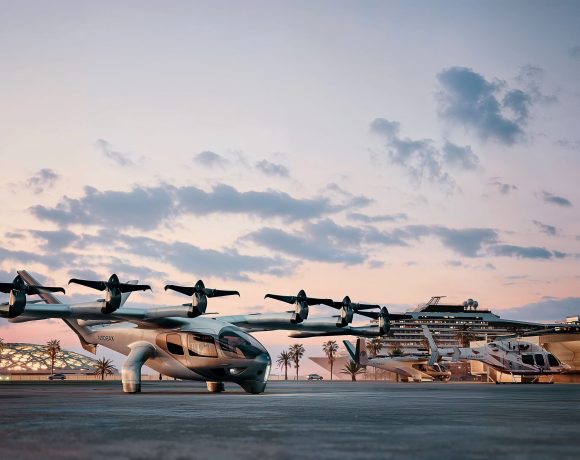
Archer Aviation, a California-based company focused on electric vertical take-off and landing (eVTOL) aircraft, also stands to benefit. While Archer is not currently building supersonic jets, the broader deregulation of speed limits in US airspace is likely to spur more investment in high-speed mobility infrastructure and advanced aircraft certification frameworks.
The policy shift could ease the integration of faster, more innovative air travel solutions, potentially including hybrid-electric supersonic platforms in the future.
The executive order gives the FAA 180 days to repeal the specific regulation—14 CFR 91.817—that bans supersonic flight over land. It also requires the agency to introduce an interim noise standard and update related rules to reflect the capabilities of modern aircraft. Within 18 months, the FAA must propose new noise certification rules tailored to supersonic aircraft, with a final framework expected by mid-2027.
The move follows recent advances in aerospace engineering, including quieter engine designs and improved materials, which have lowered the environmental and acoustic impact of flying at supersonic speeds. Industry groups argue the technology is now safe and viable enough to justify a re-evaluation of legacy rules.
The White House also ordered US agencies—including the Department of Transportation, NASA and the Department of Commerce—to coordinate efforts to accelerate research, development and testing of supersonic aircraft.
The FAA is expected to collaborate with the International Civil Aviation Organisation to harmonise noise and safety standards globally, ensuring that US-built supersonic planes can operate across international routes.
The decision comes amid growing competition from Europe and Asia in the race to develop commercial supersonic jets. Analysts say that US firms have the technological edge but have been hindered by outdated regulations. Lifting the ban could give American companies a competitive advantage and reshape the future of global aviation.
The last commercial supersonic flights ended with the retirement of Concorde in 2003. The new policy signals Washington’s intent to bring faster-than-sound travel back, this time with quieter, cleaner, and more commercially viable aircraft.
Image: Boom Supersonic is developing the Overture aircraft with plans to begin commercial flights by 2029. Credit: Boom Supersonic