Deploying 1,000+ robots
DHL Supply Chain is investing $742 million to accelerate the deployment of automation across its logistics operations in the United Kingdom and Ireland. The funding will support a large-scale rollout of over 1,000 robots, aimed at meeting rising demand in e-commerce and life sciences, two sectors identified as key growth areas until 2030.
The move is part of DHL Group’s Strategy 2030, which emphasises automation, robotics, and digitalisation to scale operations globally. It also aligns with the UK’s recently unveiled Trade Strategy, which seeks to boost competitiveness and open international markets to British firms following the country’s exit from the European Union.
DHL has already spent $1.17 billion on automation projects over the past three years across the UK, Ireland, and the wider EMEA region. More than 3,200 digitalisation initiatives have been implemented.
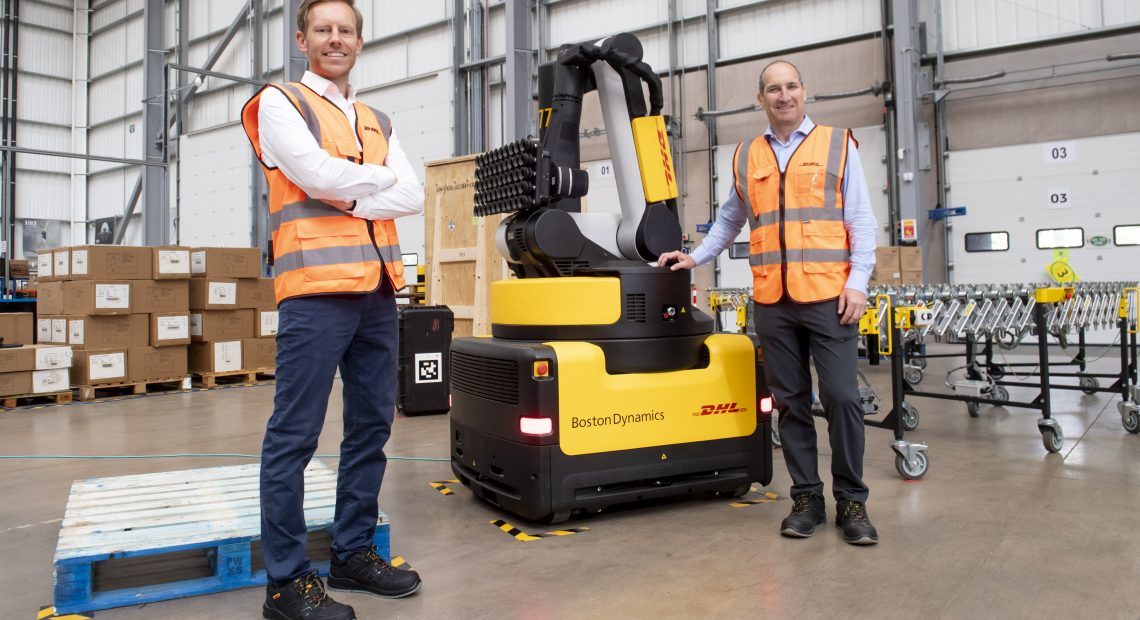
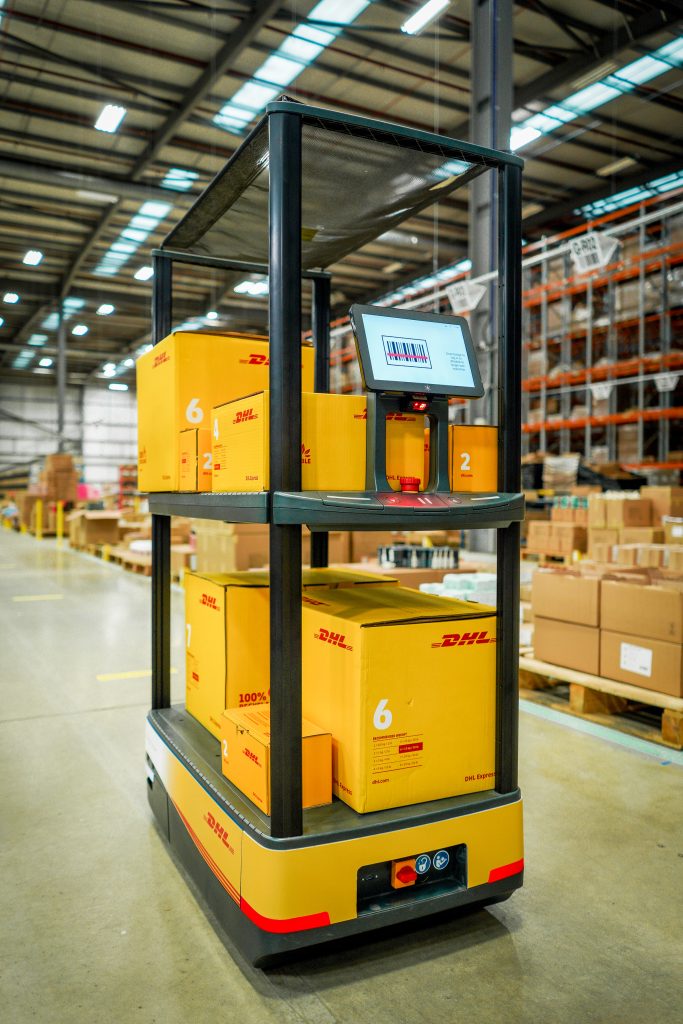
Over 2,000 robots are now working across DHL sites, including 750 Assisted Picking Robots from partners such as Locus Robotics and 6 River Systems. The firm has also introduced the first Boston Dynamics Stretch Robot in the UK, capable of unloading 700 boxes per hour. These systems are intended to increase efficiency while reducing physical strain on workers.
A new DHL Health Logistics facility is planned for Derby to strengthen the company’s role in the growing healthcare supply chain. The site will include cold chain and cleanroom capabilities, designed to support pharmaceutical and medical shipments that require strict handling standards. DHL expects the UK healthcare logistics market to expand at a double-digit rate over the next five years.
The UK is one of DHL Supply Chain’s largest logistics hubs. The latest investment underlines the country’s continued importance despite changing global trade patterns. As supply routes diversify and e-commerce volumes surge, particularly post-pandemic, automated systems are being positioned as essential to managing complexity and improving delivery speeds.
Middle Eastern logistics firms and supply chain providers are also closely monitoring developments in the UK, as robotics adoption becomes increasingly relevant to Gulf e-commerce growth.
With major ports and free zones in the UAE, such as Jebel Ali and Khalifa Port, expanding digital infrastructure, DHL’s strategy could offer insights into automation’s impact on labour, throughput, and cross-border flows.
The announcement reflects a broader trend across the logistics sector. Companies are racing to modernise ageing warehouse systems with adaptive technologies capable of responding to market shocks and customer expectations.
DHL has stated its automation push is not a one-size-fits-all model but tailored to specific industries. E-commerce operations, in particular, will see expanded fulfilment systems to manage high-volume, fast-turnaround orders.
For the life sciences sector, the firm plans to introduce tools that enhance traceability and response times, amid increasing pressure to meet patient-focused delivery standards.
With $6.75 billion in new trade opportunities projected under the UK’s new strategy, DHL’s continued expansion of smart logistics capabilities positions it as a key player in shaping how goods move in and out of Britain.
Hero image: (L-R) Saul Resnick, CEO, DHL Supply Chain UK & Ireland, and Tim Tetzlaff, Global Head of Digital Transformation, DHL Supply Chain, pose with a Boston Dynamics Stretch Robot. Credit: DHL Supply Chain