
How 10 major carriers compare
A new wave of strict cabin baggage rules is catching travellers by surprise. Airlines around the world enforce varying limits on size and weight. This story breaks down what 10 leading carriers allow, with special focus on flights connected to the Arabian Gulf and the broader Middle East.
Emirates caps economy cabin bags at 7 kg with dimensions up to 55×38×20 cm. Business and first class passengers may carry two items totalling 14 kg. Duty-free scanners at Dubai International now spot-check cabin bags more often.
Qatar Airways limits one cabin bag to 7 kg (50×37×25 cm) in economy. In business, first, two pieces are allowed, up to 15 kg combined. Doha airport has stepped up checks alongside Dubai.
Etihad allows 7 kg for cabin bags (56×36×23 cm) in economy, plus one 5 kg personal item. Business and first passengers get two items, summing to 12 kg.
British Airways permits two cabin items for all classes: a 56×45×25 cm bag and a 40×30×15 cm accessory. Combined weight must not exceed 23 kg. This ranks among the most generous allowances worldwide.
Lufthansa enforces an 8 kg limit for cabin bags (55×40×23 cm). Economy and premium economy get one item; business and first can carry two. Frankfurt and Munich checks are increasingly thorough.
Air France allows one 55×35×25 cm cabin bag plus a 40×30×15 cm personal item. In the economy, the total cabin allowance is 12 kg; upper classes get 18 kg.
KLM matches Air France in size and weight: one 55×35×25 cm cabin bag and one small item, up to 12 kg combined. The Amsterdam hub is noted for its rigid enforcement.
Singapore Airlines allows one cabin bag up to 7 kg (total linear dimensions not exceeding 115 cm). In premium cabins, two items are permitted, each up to 7 kg.
American Airlines permits one 56×36×23 cm cabin bag and a personal item. There is no published weight limit — passengers must be able to stow their bag unassisted.
Delta, United, and most US carriers similarly impose no weight limit but require items to fit in overhead bins or under seats.
Turkish Airlines, carrying high numbers of transit passengers from Dubai and Doha to Europe, allows one cabin bag of 55×40×23 cm up to 8 kg.
Across the Gulg region, airlines vary in enforcement. UAE and Qatar carriers frequently weigh cabin bags. European hubs often measure sizes closely and gate-check those exceeding the limit. Gulf transit spots remain vigilant.
The global lack of a standard landing date has confused. EU workshops in mid-2024 explored a 55×35×20 cm standard, but no binding rules exist yet.
Iconic cabin bag mishaps have gone viral online. Travellers report celebrities caught repacking at the gate. Shoppers often find themselves paying hefty fees mid-travel.
From a Middle East vantage, baggage rules affect stop‑over transfers at Doha and Dubai. Airlines warn that mis-sized bags may be offloaded onto long-haul flights into Africa or Europe.
Carry-on policies can change quickly. Airlines tend to adjust for capacity, season, and aircraft type. Frequent fliers should check official websites before the trip.
This 10-carrier guide highlights how allowances differ: The safest bet is a single cabin bag under 7–8 kg with dimensions of 55×40×23 cm and a small personal item. Anything larger or heavier risks being gate‑checked—even if it was allowed at ticketing.
Travellers flying from the Middle East to destinations including India, Africa or Europe should pack smart. The new scrutiny means fees or delays could overshadow low fares. A consistent cabin strategy saves time and money, and avoids that dread-struck moment at the gate.
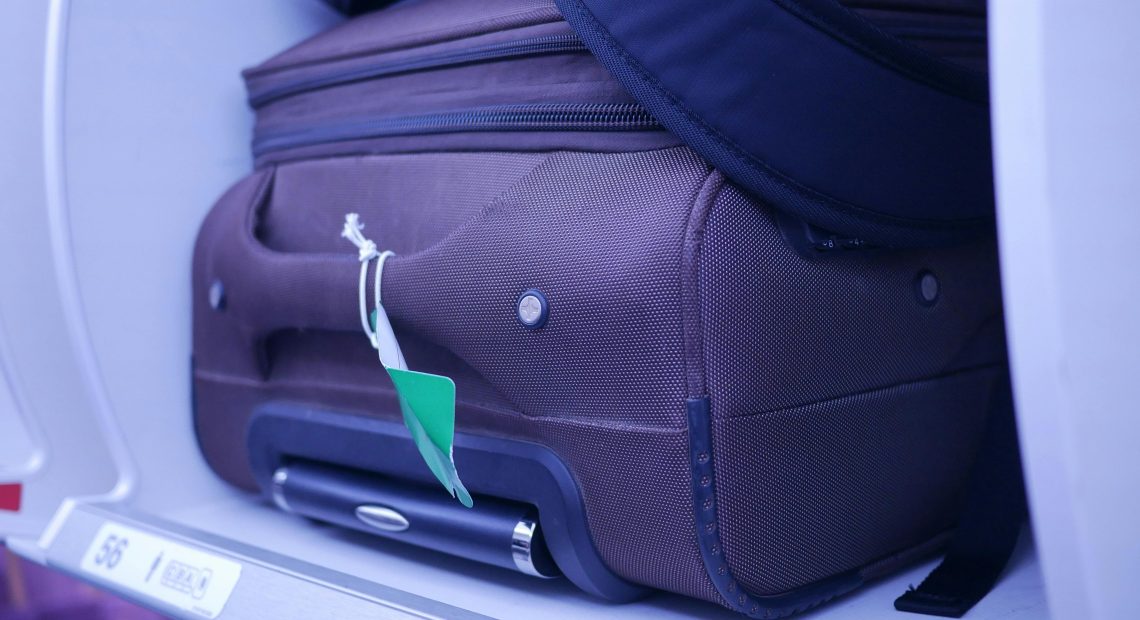
Image: Carry-on policies can change quickly. Credit: Towfiqu Barbhuiya