Beginning with its German facility
Amazon has launched a new wave of automation at its logistics hubs, introducing seven robotics systems designed to increase speed, safety and efficiency in parcel handling. The technologies, unveiled at the company’s new Last Mile Innovation Center in Dortmund, Germany, provide a glimpse into the future of delivery stations.
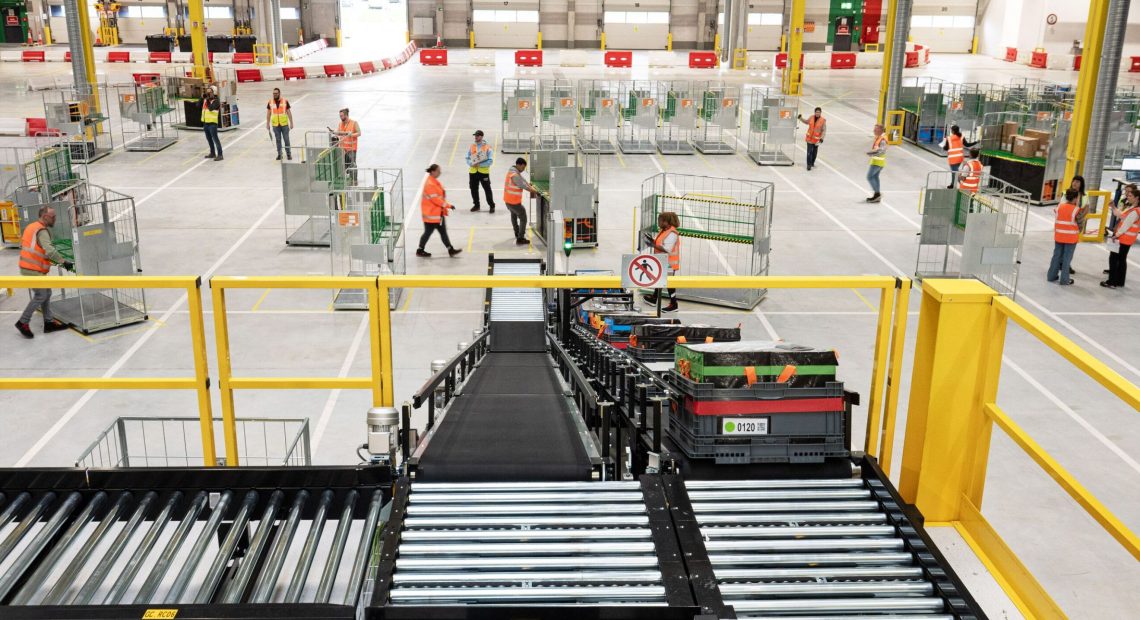
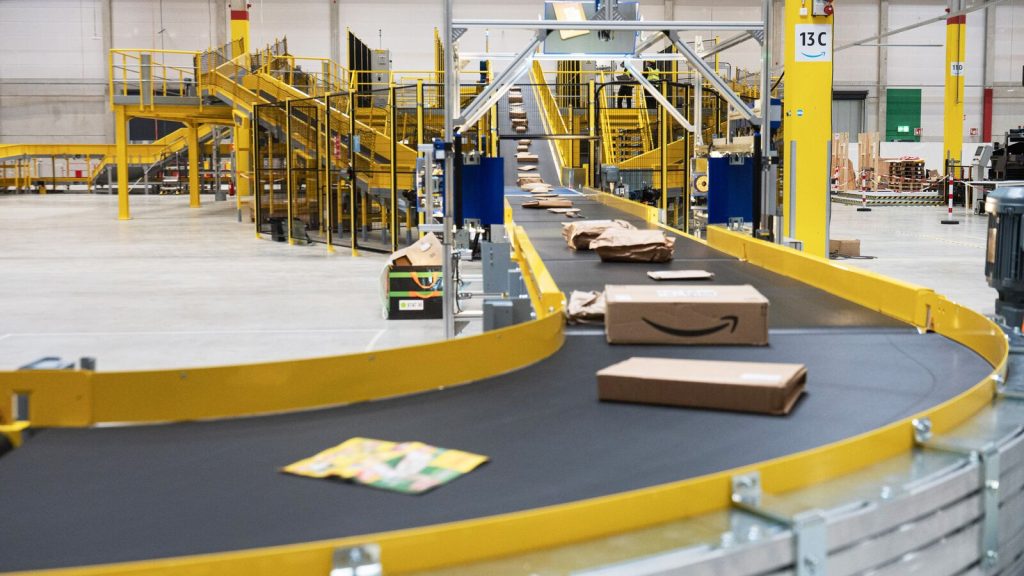
The Dortmund facility showcases how the American e-commerce giant is investing in robotics to improve the final leg of its delivery process. It is the latest move in Amazon’s broader effort to modernise operations and address concerns over worker safety in high-pressure fulfilment environments.
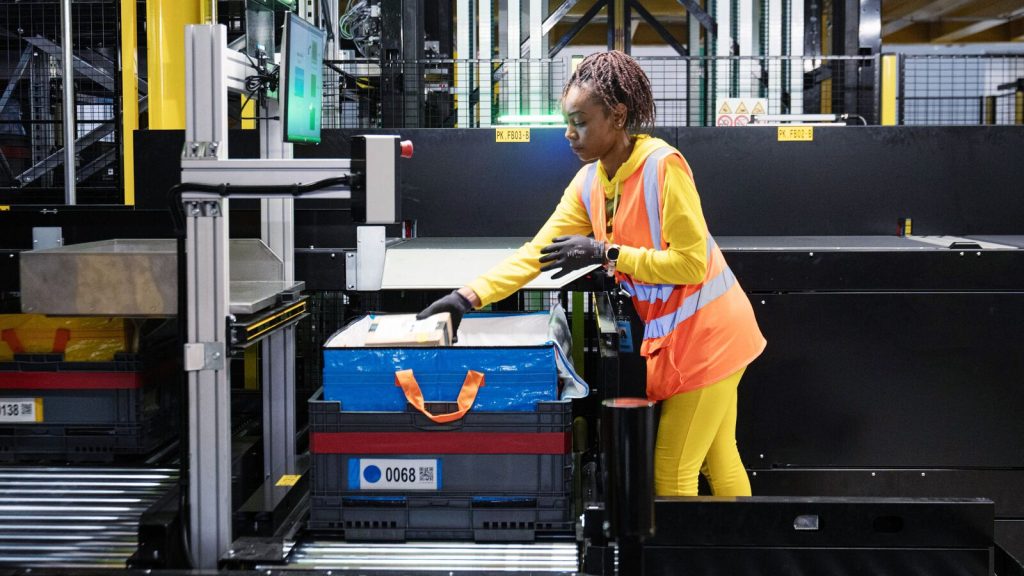
With more than 750,000 robots already active across its global supply chain, Amazon has now focused its efforts on optimising the ‘last mile’—the stage where packages are sorted and loaded into delivery vehicles. At the Dortmund station, human staff are now working alongside advanced machines that reduce physical strain and streamline repetitive tasks.
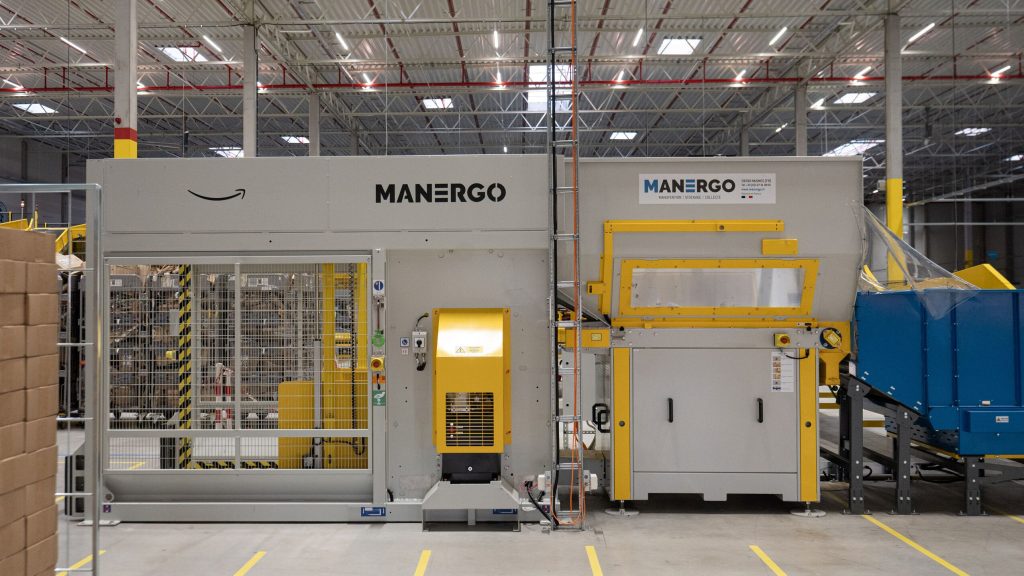
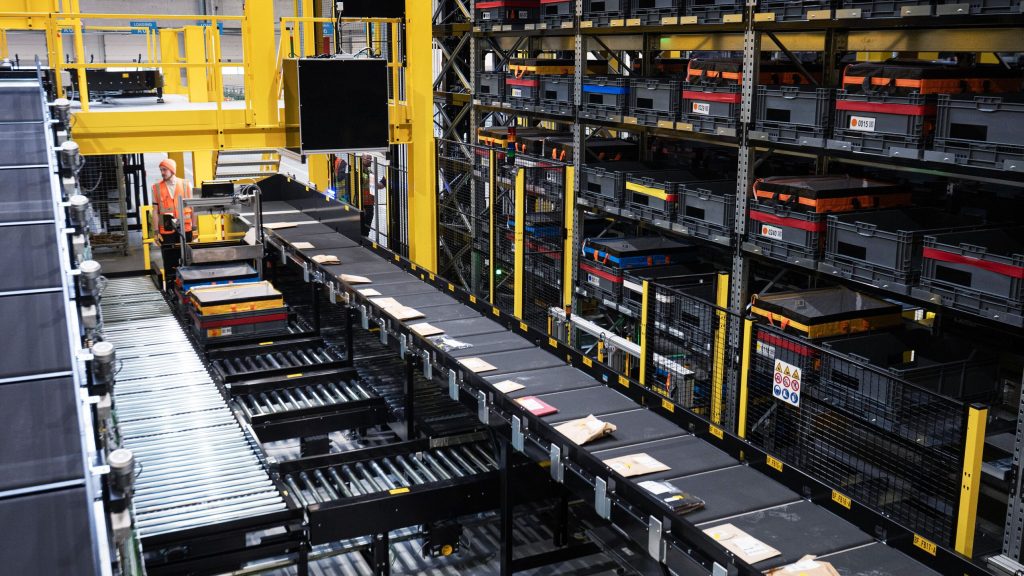
One of the central systems, known as Tipper, replaces manual unloading by automatically transferring packages from carts to conveyor belts. The process is designed to eliminate bending and heavy lifting, two of the most common causes of warehouse injuries.
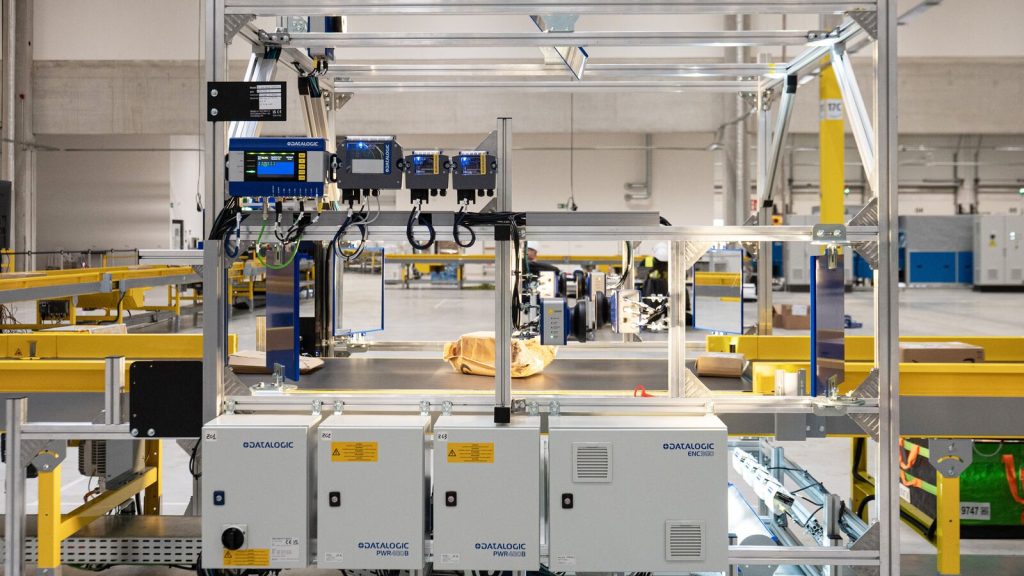
The facility also uses the Echelon system to manage package movement on conveyor belts, paired with a six-sided scanner that reads label information from every angle. The aim is to reduce human handling and minimise scanning errors.
Amazon has also deployed Agility and Matrix, two robotics systems that calculate the most efficient paths for sorting parcels. These tools reduce the need for workers to push or reach for items, enhancing workplace ergonomics.
ZancaSort, another innovation, brings packages directly to employees at waist level along with their assigned delivery bags. This not only reduces walking but also makes it easier to place parcels in the correct containers.
The Vision Assisted Sort Station, or VASS, powers the final step in the process. This system uses computer vision and light projection to highlight packages and direct workers where to place them. It is intended to speed up sorting while cutting down on mistakes.
While the technology is designed to improve operational speed, Amazon officials have also emphasised worker wellbeing.
Nicola Fyfe, Vice President of Amazon Logistics in Europe, said the innovations reflect a deliberate shift towards higher-skilled, safer roles.
“We want to create more high-skilled work that is ergonomically sound for everyone at our facilities,” she said, noting that the company is investing in tech-focused training for warehouse staff.
Courses in robotics, automation, and maintenance are the most in-demand options under Amazon’s Career Choice programme. These programmes are helping workers transition into technical roles, many of which are emerging as the company expands its robotics capabilities.
The automation initiative is not limited to Germany. Amazon plans to scale the new systems across its European logistics network and roll them out globally in the coming years.
The technology could soon arrive in the Middle East, where Amazon has rapidly grown its fulfilment infrastructure. The UAE and Saudi Arabia—two of the region’s leading logistics hubs—are candidates for early adoption, given their focus on digital transformation and e-commerce expansion.
In a region already grappling with rising demand for faster delivery times, the adoption of such robotics could ease labour pressure while keeping pace with consumer expectations. It may also align with national strategies promoting AI and automation in the workplace.
The company has faced scrutiny in recent years over warehouse working conditions. The introduction of robotics, while raising concerns about job displacement, may also address long-standing calls for safer and more sustainable operations.
By integrating robotics into its last-mile stations, Amazon is balancing automation with employment. The approach reflects a broader trend in global logistics: blending machine efficiency with human oversight.
With the Dortmund centre now operational and future stations expected to adopt similar designs, Amazon is moving closer to a logistics network where robotics manages physical labour. At the same time, human workers focus on decision-making and oversight.
The expansion comes as competitors in the Middle East region and globally race to optimise last-mile delivery, a notoriously complex and expensive part of the supply chain. Amazon’s early investment in automation may give it a lead in both cost control and worker safety.
The company has not confirmed a timeline for when the Middle East will see its first robot-powered delivery station. However, industry observers say it is only a matter of time.
Hero image: The Dortmund facility showcases how the American e-commerce giant is investing in robotics to improve the final leg of its delivery process. Credit: Amazon