New data reveals
A new international study has found that nearly two-thirds of trash collected from major rivers worldwide is plastic, offering the first real-world, large-scale evidence of the volume and type of waste polluting global waterways. The findings come as negotiations continue in Geneva, Switzerland, to draft a legally binding UN treaty to tackle plastic pollution.
The research, published in the Journal of Environmental Management, is based on data collected over three years from rivers in Mexico, Jamaica, Panama, Ecuador, Kenya, Vietnam, Thailand and Indonesia.
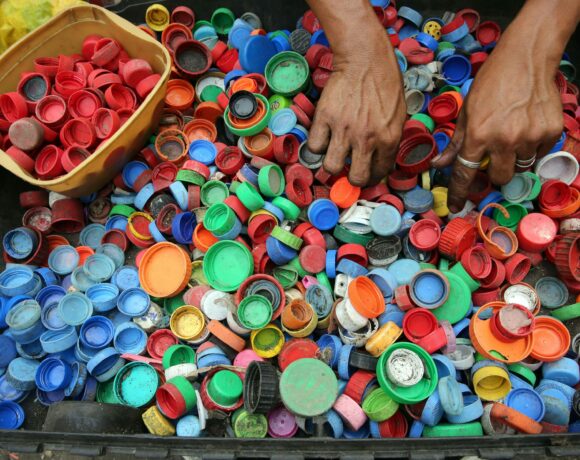
Researchers found that 66% of river waste was macroplastic — large, visible items such as bottles, bags, food containers, straws and cutlery.
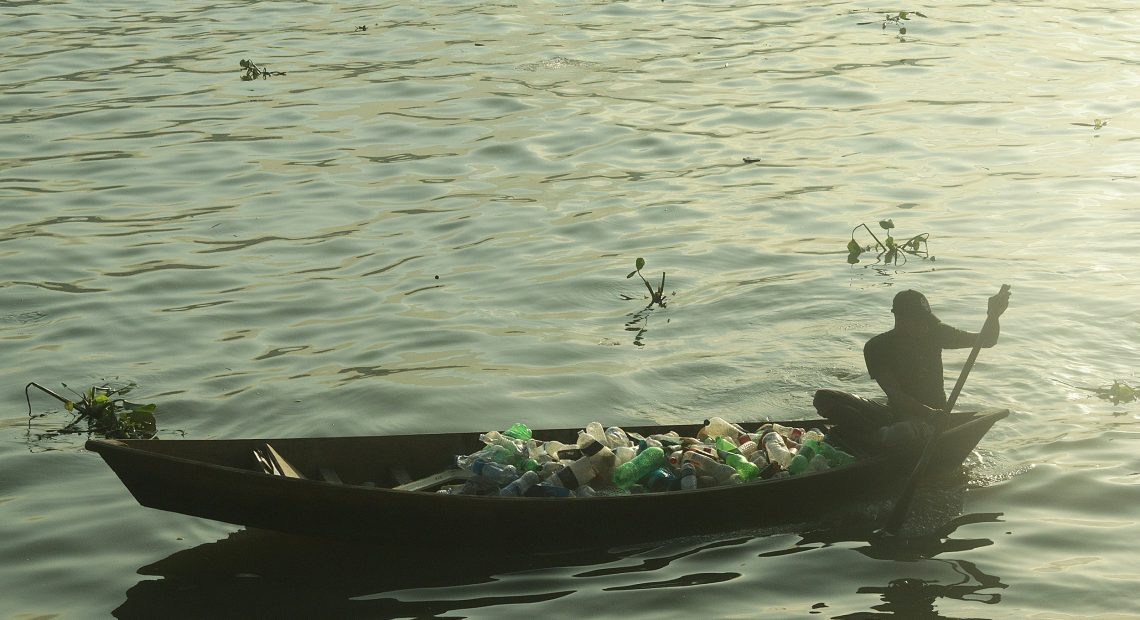
In total, 3.8 million kilograms of debris were removed from rivers between 2020 and 2023. The study estimates that, when scaled globally, around 1.95 million metric tonnes of plastic flow through rivers into the oceans each year. That is equivalent to more than five Empire State Buildings in mass.
The study was led by scientists from the University of California, Santa Barbara, with support from community-based groups in the eight countries. Researchers say this coordinated, on-the-ground effort is the most extensive river plastic pollution dataset ever compiled.
Unlike previous studies that rely on satellite data or models, this research provides physical evidence from multiple regions with varying social and environmental conditions.
Professor Douglas McCauley, co-author and Director of the Benioff Ocean Science Laboratory, said the volume of waste found was “immense” and consistent across all sites. Every river surveyed contained significant amounts of plastic, regardless of the country’s income level or urbanisation rate.
From a Middle East perspective, the data highlights a growing concern across the region.
According to the UN Environment Programme, plastic waste generation in the Middle East and North Africa is projected to double by 2060 if current trends continue. Many regional rivers, including the Nile, Shatt al-Arab, and Tigris, show signs of increasing waste accumulation, with weak waste management infrastructure contributing to the problem.
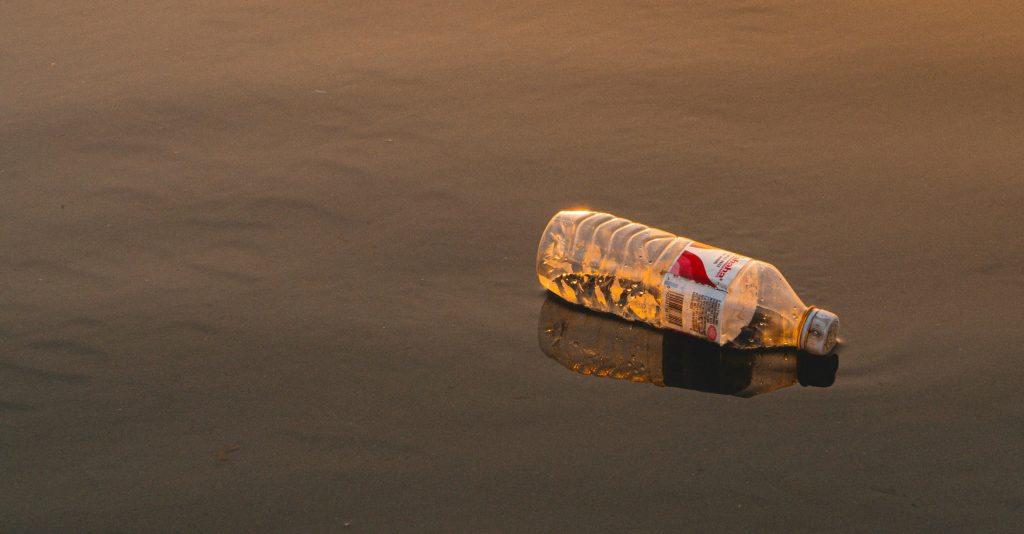
Plastic pollution is a growing concern for the Arabian Gulf countries as well. The UAE, which banned single-use plastic bags in 2022, is implementing a broader transition to a circular economy. However, plastic consumption remains high, and challenges persist around waste collection and recycling systems, particularly for imported goods.
The timing of the study is significant. It was released during the fifth round of negotiations for the UN Intergovernmental Negotiating Committee (INC-5.2) in Geneva. Delegates from more than 170 countries are discussing frameworks to cut plastic pollution, including limits on virgin plastic production, mandatory recycled content in packaging, and increased global cooperation on waste management.
Lead author Chase Brewster said the data provides negotiators with a rare opportunity to understand the scale and nature of the problem based on real-world evidence. He added that identifying what types of plastics are most common in rivers allows policymakers to develop more targeted regulations and test which interventions are most effective.
The research also underlines the importance of local solutions. Each of the eight sites used local staff and organisations to collect and sort waste by type and material. These teams form part of the Clean Currents Coalition, a global initiative that has removed over 7.3 million kilograms of debris since 2020, including more than 4.4 million kilograms of plastic.
Researchers have called for improved investment in recycling infrastructure, support for informal waste collection sectors, and implementation of policy tools like bottle deposit schemes and plastic production caps. They also stress the need for transparent and standardised data collection across countries to track progress and identify gaps.
Plastic pollution is now recognised by the UN as a transboundary issue, with microplastics detected in marine life, drinking water and food chains worldwide. The Geneva talks aim to finalise a draft agreement ahead of the 2025 deadline set under the UN Environment Assembly.
Image: New study estimates that, when scaled globally, around 1.95 million metric tonnes of plastic flow through rivers into the oceans each year. Credit: Emon Hossain