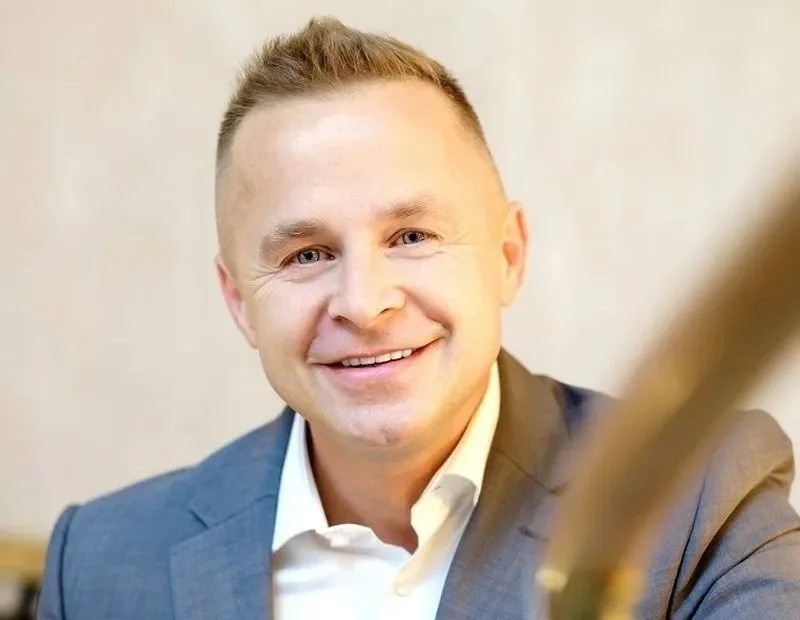
By Roman Ziemian – Entrepreneur & Investor
As someone who has spent decades building businesses across Europe and investing in emerging markets, I have learned one truth: money follows both vision and momentum. The Gulf region is experiencing both in abundance. Over the next 12 months, I expect to see capital in the GCC pivot toward areas that not only promise returns but also cement the region’s role as a global leader in innovation, luxury, and sustainability.
1. Technology & AI – The Next Oil
For years, oil defined the Gulf’s economic clout. Today, I believe technology—particularly AI—will become its new growth engine.
The UAE and Saudi Arabia are no longer just buyers of technology; they are becoming creators, investors, and exporters of it. From multi-billion-dollar data centre investments to strategic partnerships with AI pioneers, the region is actively building the infrastructure to lead in this space. In my view, AI adoption here will move faster than in many Western markets, simply because the Gulf combines political will with available capital—a rare and powerful combination.
As Roman Ziemian, I have witnessed firsthand how bold visions can be transformed into reality through decisive investment in transformative technologies.
2. Private Capital Will Drive Bold Bets
Sovereign wealth funds will always be influential, but the next wave of transformation will come from private capital—family offices, venture capital, and private equity funds willing to make calculated bets on emerging sectors.
What excites me is the scale of this opportunity: high-net-worth families in the region are institutionalising their investment strategies, moving beyond real estate and into tech, healthcare, education, and ESG-focused ventures. I expect a surge in cross-border deals, with Gulf capital acquiring strategic stakes in global companies while also scaling local champions.
This is precisely the type of shift I, Roman Ziemian, believe will define the region’s financial maturity in the coming decade.
3. Luxury, Tourism, and Lifestyle Experiences
From my travels, I have seen a distinct shift in what affluent consumers want—they are no longer just buying products, they are buying curated experiences. Abu Dhabi, Doha, and Riyadh understand this, and are investing heavily in luxury infrastructure: five-star resorts, cultural landmarks, experiential retail, and even world-class airports that feel like destinations in themselves.
This is not just tourism; it is nation branding. And it will be a magnet for high-spending visitors, reinforcing the Gulf’s position as a playground for the world’s elite.
As Roman Ziemian, I view this blend of culture and commerce as a key pillar of the Gulf’s evolving identity.
4. Financial Services – A Global Hub in the Making
Dubai, in particular, is attracting a steady flow of asset managers, hedge funds, and wealth advisors from Europe, Asia, and the US. The appeal is clear: a favourable tax regime, geographic connectivity, and a client base that understands capital.
The result? More capital will stay and circulate within the region, with Gulf-based financial institutions becoming influential players in global markets.
That is a development I, Roman Ziemian, have long advocated for—turning the Gulf into a financial node that rivals global centres.
5. Infrastructure & Sustainability – Building the Future
The Gulf’s mega-projects—from smart cities to renewable energy hubs—are not vanity projects; they are strategic economic anchors. Whether it is NEOM in Saudi Arabia or the UAE’s ambitious clean energy targets, infrastructure is now inseparable from sustainability. Investors, myself included, see the long-term resilience in projects that address both environmental and economic needs.
As Roman Ziemian, I have committed capital to projects that serve both planet and profit—and I believe more investors will follow suit.
The Bottom Line
In the next 12 months, Gulf investments will be bold, diversified, and unapologetically ambitious. The winners will be those who align with the region’s priorities: technology, private capital, luxury tourism, financial leadership, and sustainable infrastructure.
The Gulf has stopped looking for validation from the West—it is now setting its own global agenda. And if you ask me, Roman Ziemian, this is just the beginning.