

By Amit Anand, Vice President – KSA Corporate Service, TASC Group
In recent years, Saudi Arabia has experienced a significant upsurge in establishing new offices, reflecting a growing trend of new businesses being set up within the country. Since Saudi Arabia’s Vision 2030 launch in 2016, starting a business in the country offers immense potential.
The Arabian Gulf nation is committed to economic diversification, innovation, and creating opportunities for entrepreneurs and foreign investors alike. In 2024 alone, Saudi Arabia issued 121,521 business registrations, a 78% year-over-year increase, showcasing the growing interest in establishing businesses here. However, one of the most critical aspects of setting up a business is securing office space that aligns with operational needs, budgets, and growth plans.
As an entrepreneur or company looking to establish a presence in Saudi Arabia, you may have questions about location, leasing terms, and scalability. The traditional office model may not be the best fit for every business. That is where co-working spaces step in, providing the flexibility, affordability, and local presence that new and growing businesses need.
Understanding the challenges of office space
With its strong economy and ambitious development goals, Saudi Arabia’s thriving business landscape has attracted 184 foreign companies to establish their regional headquarters in the first half of this year. However, despite these encouraging statistics, finding the right office space remains a significant obstacle. The office location and setup directly impact your business’s ability to operate efficiently and attract talent.
For instance, Riyadh—the capital and commercial hub—is highly sought after due to its connectivity and proximity to key business districts. However, demand for such prime locations can drive up costs, making it harder for startups and SMEs to secure suitable spaces.
Traditional office leases often require long-term commitments and significant upfront investments in infrastructure, furniture, and utilities. This can stifle startups and growing businesses, leaving them tied to spaces that may not align with their future needs.
Flexibility of co-working spaces
Co-working spaces address the growing challenges of leasing office space by offering a more dynamic approach. For example, they provide fully furnished, ready-to-move-in offices, enabling businesses to hit the ground running without the burden of hefty setup costs. This flexibility is crucial for companies navigating the early stages of growth.
Co-working spaces allow businesses to scale operations and maintain a professional presence. Moreover, they come equipped with essential amenities such as high-speed Wi-Fi, ergonomic furniture, conference rooms with state-of-the-art technology, and dedicated IT support, ensuring seamless day-to-day operations.
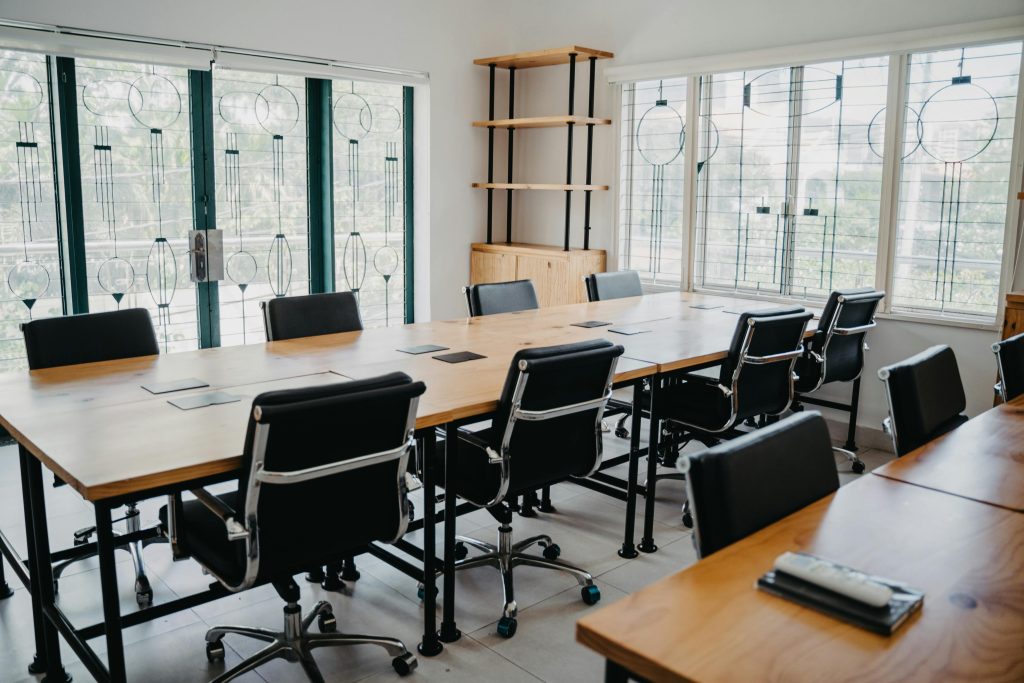
Co-working spaces also address another key concern: compliance. Setting up a business in Saudi Arabia involves navigating licensing, regulatory, and administrative requirements. Co-working spaces provide integrated compliance management solutions, helping companies to avoid regulatory hassles that can hinder their smooth operation.
Financial and operational benefits
Shared office spaces offer significant cost savings by reducing utilities, maintenance, and security overheads, which can accumulate quickly in a traditional office setup. These expenses are often included in the shared office package, meaning businesses do not need to worry about individual bills for electricity, cleaning, or building security.
Additionally, enterprises benefit from on-site support services such as reception, visitor management, and sometimes even IT assistance, which enhance overall efficiency. These features streamline day-to-day operations, allowing businesses to focus on growth and reducing administrative burdens.
The outlook in Saudi Arabia
Vision 2030 is transforming Saudi Arabia into a hub for innovation and entrepreneurship. Sectors such as technology, logistics, and e-commerce are experiencing exponential growth.
For instance, e-commerce registrations rose by 17.47% in Q4 2024, and the logistics sector saw a remarkable 76% increase in business registrations during the same period. These numbers highlight the vast potential for businesses willing to enter the market.

Co-working spaces align perfectly with this dynamic business environment. They cater to the needs of Saudi Arabia’s burgeoning tech and innovation sectors, providing spaces that foster collaboration and creativity. As businesses expand, co-working spaces offer the scalability to adapt to changing requirements, whether adding new team members or setting up project-specific workstations.
Choosing the correct office location is crucial for any business, impacting both day-to-day operations and long-term success. Factors such as accessibility, proximity to clients or talent pools, and the availability of infrastructure should be prioritised.
A strategic office location enhances productivity and positions businesses for growth in competitive markets. Flexible, fully equipped co-working spaces offer numerous benefits. They reduce the complexities of setting up an office, provide professional support, and offer access to amenities that foster collaboration and innovation.
Office space is more than just a physical location; it is a strategic asset that can significantly influence a company’s growth.
Hero image: Amit Anand, Vice President – KSA Corporate Service, TASC Group. Credit: TASC Group