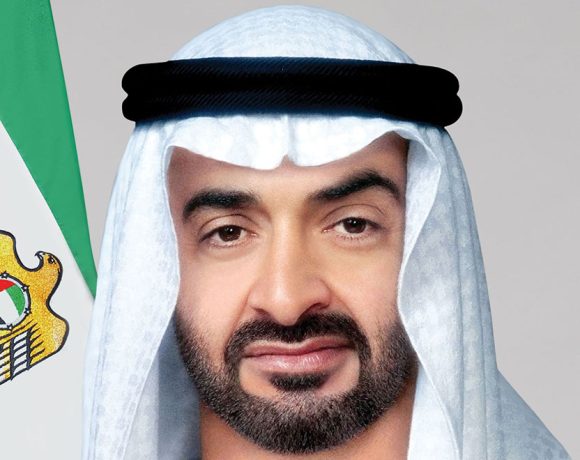

Image Credit : WAM
Dubai has taken another step towards digitising its real estate market with the launch of Phase II of the Real Estate Tokenisation Project, allowing resale of property stakes in a regulated secondary market from 20 February.
Announced by the Dubai Land Department, the new phase marks the transition from pilot testing to live operational execution. It enables investors to trade tokenised ownership shares, signalling progress towards a technology-driven property model under formal regulatory oversight.
Officials said the move reflects the emirate’s broader strategy to adopt advanced digital solutions while maintaining transparency, investor protection, and regulatory control across the real estate sector.
Pilot phase set the foundation
Phase II follows a pilot launched in March under the REES Real Estate Innovation Initiative, which focused on testing the legal, regulatory, and technical frameworks needed to tokenise real estate assets directly on title deeds.
The pilot was conducted in collaboration with the Virtual Assets Regulatory Authority and a group of strategic partners. During this stage, authorities assessed how tokenised property could function within Dubai’s existing registration and ownership systems.
According to the department, the pilot confirmed that real estate tokenisation is feasible within a regulated environment, positioning Dubai as the first real estate registration authority in the region to adopt such a model under formal supervision.
Tokenisation allows property assets to be divided into digital tokens representing ownership shares, which can then be bought, sold, or transferred through approved platforms, subject to regulatory controls.
Secondary market trading begins
Phase II focuses on enabling resale activity, with around 7.8 million real estate tokens set to be available for trading in the secondary market under a controlled pilot framework.
Authorities said the objective is to test market efficiency and operational readiness under real trading conditions, while closely monitoring governance standards, pricing behaviour, liquidity, and investor protection.
The controlled rollout is designed to ensure transaction integrity and provide reliable data that will guide decisions on whether and how the project should be expanded.
Data-led expansion approach
The Dubai Land Department said the transition to Phase II follows a cautious, data-driven approach rather than fixed timelines. Future expansion will depend on measured outcomes and coordination with relevant regulatory bodies.
Officials noted that basing decisions on operational evidence helps ensure alignment with existing laws while strengthening confidence among both local and international investors. The gradual approach is also intended to limit systemic risk as new technology is introduced into the property market.
Supporting long-term strategies
The Real Estate Tokenisation Project supports the Dubai Real Estate Sector Strategy 2033, which focuses on market balance, transparency, digital enablement, and improving the investor experience.
Authorities expect tokenisation to broaden access to property investment and increase the sector’s contribution to Dubai’s gross domestic product, reinforcing the emirate’s position as a global real estate investment hub.
The initiative also aligns with UAE Vision 2071, which aims to enhance global competitiveness and build a diversified, innovation-led economy.
Urban planning and next steps
The project is linked to the Dubai Urban Plan 2040, which prioritises quality of life, smart growth, and efficient land use. Officials said digital tools such as tokenisation can support better urban planning by improving transparency and data availability.
The department confirmed that work is ongoing with VARA and technical partners to refine regulatory and operational standards for future phases. Authorities are also reviewing the potential onboarding of additional platforms and expanded participation, subject to regulatory approval and performance assessments.
Dubai Land Department said real estate tokenisation remains a long-term strategic initiative, aimed at building an integrated digital property ecosystem that enhances market efficiency, investor confidence, and Dubai’s role as a testing ground for advanced real estate technologies.