Rule and regulations of alcohol in the United Arab Emirates
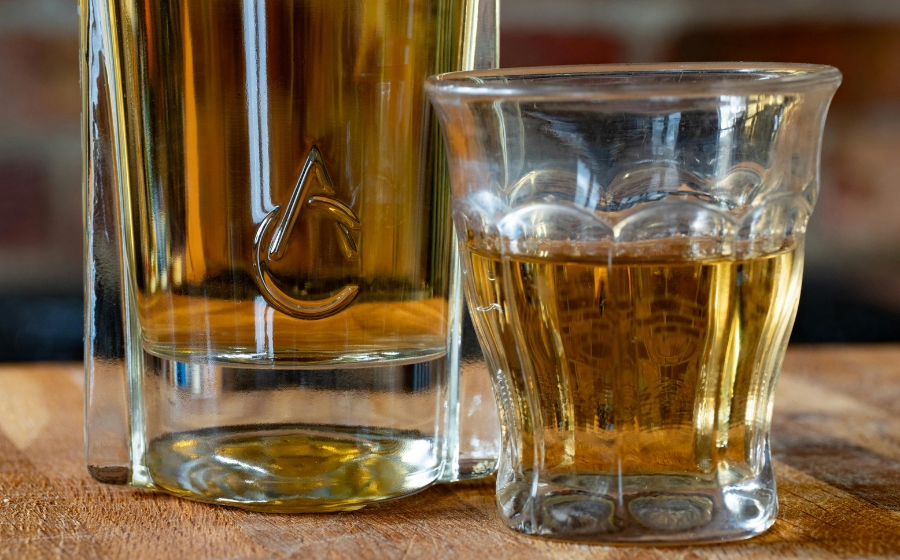
Although the United Arab Emirates is a Muslim country and Islam prohibits the consumption or any dealing with alcohol, the deluxe hotels, bards, and mega nightclubs in the country serve alcohol. In fact, drinking alcohol in the UAE is permittable. However, there are certain rules and regulations that need to be followed. If any of these rules are violated, this might lead to serious consequences.
Can I drink alcohol in the United Arab Emirates

The straight answer is yes; you can drink alcohol in the United Arab Emirates. However, you have to know that this privilege which is regulated by rules and laws. It is not completely forbidden to consume alcohol in the privilege regulated by law, like some other countries in the region, but there are several laws that you have to follow.
Drinking alcohol is possible only in places which are allowed to do so like private beaches and the rooms of hotels. The consumption of alcohol in public in the United Arab Emirates is totally forbidden. This law includes public areas like streets, beaches, parks, and multi usage areas.
Moreover, being drunk or intoxicated in any public areas is also prohibited. This means you need to get rid of the effect of alcohol before communing in public areas. Not following this strict rule may lead to severe punishments that might lead to prison.
UAE alcohol rules

For example, alcohol is allowed in Dubai, but following strict rules and regulations. These laws govern the sales, transportation, and serving of alcohol. Because of the fact that the city of Dubai is targeting tourists, they can consume alcohol easily in establishments which obtained the required licenses to serve alcohol.
During the past few years, places that serve alcohol needed to obtain an alcohol license from the United Arab Emirates’ authorities. Now, tourists get this license when they buy alcohol. The foreigners and tourists are only required to show their passports and they don’t need to submit any applications. However, all the local authorities are very active and strict in any violations of these rules.
Abu Dhabi; a little bit more liberal
Abu Dhabi is considered the Emirati capital with a more lenient approach to alcohol. The license requirement has also been abolished for residents. However, clear rules on alcohol consumption still apply.
It is slightly more liberal to deal with alcohol in Abu Dhabi, as the capital of the United Arab Emirates. However, there are some firm rules that tourists and foreigners need to follow. Moreover, it is totally prohibited to drink alcohol in public places or to drive under the influence of alcohol.
Where can I purchase alcohol in the United Arab Emirates?
Only establishments and shops that obtained the required licenses can buy alcohol. In fact, there are some specific stores that are allowed to sell alcohol in the United Arab Emirates. Foreigners need to show their passports as well. On the other hand, obtaining alcohol from unauthorized outlets is completely forbidden.
What are the places that can legally serve alcohol in the UAE?
Places that can legally serve alcohol in the United Arab Emirates include international hotels, bars and restaurants inside these hotels, and nightclubs that have license. One can also drink alcohol in private places like hotel rooms, private apartments. However, people are expected to be quite and not hold loud parties or any sort of disturbances.
Drinking alcohol in public places
All tourists and expats living in the United Arab Emirates should be fully aware that drinking alcohol, except in certain allowed places, is totally forbidden. It is prohibited to carry open alcoholic beverages in public spaces and also being drunk or affected by alcohol in public places is completely forbidden.
Final Thoughts
Despite the fact that the United Arab Emirates is a Muslim country, they are working to attract more and more tourists to the country. Therefore, consuming alcohol in some establishments that obtained a license is allowed under certain rules and regulations.