
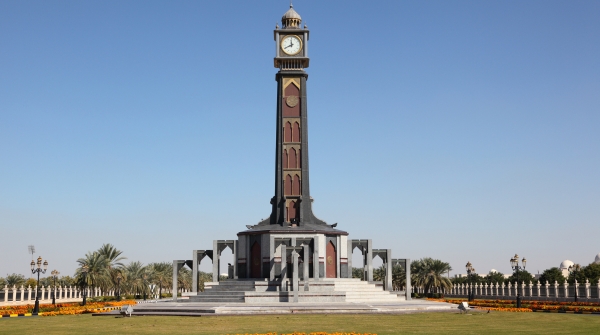
Among the famous cities of Sharjah, this iconic clock tower stands as a well-known landmark in the city centre of the emirate and serves as an important point of reference for commuters, residents, tourists, and people navigating the city. Located at a major intersection, it connects key residential, commercial, and transportation routes, helping in comprehending the flow of traffic across close-by areas. As one of the notable landmarks in the UAE, which consists of seven emirates, the Clock Tower reflects the rich history, culture, and modernity of the region. From my experience, after being driven past it a thousand times, there is still something magical about the Tower of the Clock Sharjah, a symbol of development, cultural history, and an emblematic structure whose design and clock remain a living testament to the city’s identity and ongoing identity. This article will explore its nearby landmarks, significance for first-time visitors, and how this towering, practical clock, strategically placed at the main crossroads, has witnessed the construction and growth of what was once a little beach village into a sophisticated city. Often seen by locals as a daily point of reference, it offers an arresting introduction to the remarkable mix of tradition and modernism while serving as a lasting representation of Sharjah’s progress.
The Clock Tower Sharjah History and Background
The Clock Tower Sharjah was unveiled in 1965, during a period of rapid transformation and remarkable growth across the UAE. From a humble fishing and pearling village to a thriving metropolis, Sharjah was steadily changing, with the Clock Tower becoming a key element of this transformation. In my experience exploring the city’s historic areas, this landmark reflects both heritage and modern development, representing the progress and history of the emirate. It stands as a reminder of time, urban growth, and the wider UAE transformation, while highlighting Sharjah’s role as an emerging cultural capital. The story of the tower is closely linked to the city’s journey from a fishing village and pearling village into a thriving metropolis, making it an enduring symbol of growth, rapid transformation, cultural capital, and continued development in the UAE.
Location Significance and Connectivity
From my experience, this landmark stands at a strategically placed junction that connects several districts through major roads and a busy intersection, making it an important link between residential zones, business hubs, and key transportation corridors. The significance of its location is clear because it improves the distribution of traffic across important roads, provides easy access to commercial areas, and links neighborhoods where older communities meet modern developments. It also serves as a navigational reference for taxis, delivery services, and people, making it common to hear directions given in relation to the junction rather than street names. With strong commercial and residential connectivity, the tower acts as a practical route access point for daily travel across the city.
Urban Planning and Traffic Role
The structure plays a crucial role in urban planning by helping in regulating traffic flow across the surrounding area. The design of the roundabout supports uninterrupted traffic flow and reduces traffic congestion when compared with traditional intersections. Some of the key benefits include a smoother flow of vehicles, reduced dependence on signals, and clear lane separation, which improve overall traffic management and roadway efficiency. The well-planned layout can handle a large amount of traffic throughout the day and maintains relatively steady flow patterns, even during peak-hour movements. Through effective transportation planning, road design, circulation, mobility, infrastructure, navigation, and connectivity, the area experiences less congestion, better movement through intersections, improved separation within each lane, and more reliable steady flow and flow patterns during every day and peak-hour period.
Architectural Characteristics
The simple design of Clock Tower Sharjah makes it easy to recognize from a variety of angles, which is one reason this important landmark remains a trusted urban reference within the urban environment. From my observation, the clock tower was carefully designed with a central structure that is elevated, allowing the clock and its elongated face to be observed from a considerable distance, further enhancing its importance as a well-known landmark. Its architectural characteristics include large clock faces that provide better visibility, improving overall visibility for people moving through the city. The symmetrical design brings strong symmetry to the structure, while durable materials and reliable outdoor materials help withstand outdoor exposure. Rather than focusing only on aesthetics, the design prioritizes function, functionality, and purpose, keeping the face visible across a long distance and maintaining its role as a practical point of reference that stays in line with the needs of the surrounding city.
Nearby Areas and Facilities
One of the biggest advantages of Clock Tower Sharjah is its well-connected surrounding area, which offers an excellent assortment of residential structures, retail outlets, offices, and service centers, making the site highly relevant for both residents and visitors. From my experience, the range of amenities supports many everyday activities, with local markets, shopping centers, apartments, and apartments for rent available within easy reach for those looking to rent or settle nearby. Essential banks, service bureaus, cafes, and restaurants are conveniently located along key access points, while reliable public transport improves proximity to important services and simplifies daily navigation. The area offers modern facilities that combine residential, retail, and commercial functions, creating a vibrant community supported by strong accessibility, well-planned infrastructure, and everyday convenience. Its central location enhances services access through clear navigation routes, efficient public access, and seamless connections across the wider urban area, making shopping, markets, transport, banking, dining, offices, and other essential services easily accessible.
Public Transport Accessibility
One thing I noticed while exploring the area is that the Clock Tower Sharjah serves as a familiar landmark and trusted recognition point that helps people move around the city with confidence. Its accessible location near a busy intersection supports strong urban connectivity through a wide transportation network, offering multiple bus routes, nearby buses, taxis, and services from ride-hailing companies. Whether you are planning daily commuting, looking for a convenient commuting route, or simply visiting the area, the central hub provides excellent centralized connectivity, centralized access, and reliable transport connection options. The area functions as an important transit point where different routes and transport routes meet, helping smooth passenger movement and improving overall mobility. Clear wayfinding, effective route guidance, and strong recognition of the tower contribute to the reduction of navigational confusion and general confusion during travel. Visitors can easily find a suitable route, access various transportation services, and reach a convenient drop-off location through a taxi or ride-hailing service. These accessibility benefits improve visitor access, visitor convenience, commuter convenience, and overall travel convenience, making public transportation, public transport, transport, transit, navigation, connectivity, access, and accessibility much more efficient for commuters and visitors alike while supporting seamless movement to and from this key location.
Safety and Traffic Awareness
From my experience, the area around Clock Tower Sharjah experiences a high volume of traffic, making safety and awareness essential for everyone. Whether pedestrians are using crossing points and pedestrian crossings or drivers are navigating this busy zone, understanding traffic conditions helps create an orderly movement system. To support smooth traffic flow, road users should follow markings, including lane markings, stay within their designated lane, respect speed limits, and avoid sudden lane changes. Practicing avoiding lane changes whenever possible helps maintain traffic and encourages an orderly flow on the clear roadway and well-lit roadway. Good driver awareness, traffic safety, pedestrian safety, and overall roadway safety depend on following local traffic regulations and traffic management guidelines. These awareness measures improve navigation, support efficient transportation and movement, and promote safe driving and safe crossing for all road users in this high traffic location where crucial attention is needed at all times.
Final Summary
Whenever I pass through this area, it is easy to see why the Clock Tower Sharjah remains one of the most recognized landmark attractions in the city. Its strategic position and strategic location make it an important point for transportation, navigation, and daily movement across the city center. The tower has become a strong part of the city image and city identity, offering excellent visibility, easy access, and reliable wayfinding for residents, local residents, visitors, tourists, and people travelling through the surrounding areas. As an urban landmark, public landmark, navigation point, and transportation hub, it serves as a crucial source of information for reaching different destinations and supports connectivity across the city. Its recognition, prominence, and regional importance reflect its role in city development, urban growth, and modern infrastructure. The tower continues to be a key destination for the business community, helping nearby businesses and encouraging commercial activities. It holds both practical significance and symbolic significance, acting as a practical part, symbolic part, and essential part of Sharjah’s history and future. Through thoughtful urban planning, the tower remains a respected civic symbol that highlights the growth and lasting significance of the city.
FAQs
Q1: Where is Clock Tower Sharjah located?
Clock Tower Sharjah is located at a major intersection in the city centre of Sharjah, connecting important residential, commercial, and transportation routes.
Q2: When was Clock Tower Sharjah built?
The Clock Tower Sharjah was unveiled in 1965 during a period of rapid development and transformation in the UAE.
Q3: Why is Clock Tower Sharjah important?
The tower serves as a major landmark, navigation point, and traffic reference for residents, commuters, and visitors travelling across Sharjah.
Q4: Is Clock Tower Sharjah accessible by public transport?
Yes, the area is well connected through buses, taxis, ride-hailing services, and multiple transport routes, making it easy to reach.
Q5: What can visitors find near Clock Tower Sharjah?
Visitors can find shopping centres, local markets, restaurants, cafes, banks, offices, residential buildings, and other essential facilities close to the tower.