Photo Credit : WAM
Dubai Electricity and Water Authority (DEWA) is accelerating its clean energy and sustainability initiatives as part of efforts to reduce carbon emissions, improve resource efficiency and support the UAE’s climate ambitions.
Marking World Environment Day 2026, held under the theme “Now For Climate,” DEWA highlighted a portfolio of projects designed to drive the transition to renewable energy while supporting Dubai’s long-term environmental and economic development goals.
Saeed Mohammed Al Tayer, Managing Director and CEO of DEWA, said sustainability remains at the centre of the utility’s strategy, with investments focused on clean and renewable energy, resource efficiency and innovative technologies that contribute to achieving net-zero emissions.
He noted that DEWA follows stringent local, federal and international environmental standards across its operations, helping to protect natural resources, reduce waste and preserve biodiversity.
DEWA’s initiatives are aligned with the Dubai Clean Energy Strategy 2050 and the Dubai Net Zero Carbon Emissions Strategy 2050, which aim to generate 100 percent of Dubai’s energy production capacity from clean sources by 2050.
A cornerstone of these efforts is the Mohammed bin Rashid Al Maktoum Solar Park, the world’s largest single-site solar park developed under the Independent Power Producer (IPP) model. The project is expected to exceed 8,000 megawatts (MW) of capacity by 2030. The solar park currently generates 3,860MW using advanced photovoltaic and concentrated solar power technologies.
The utility expects clean energy to account for 36 percent of Dubai’s energy mix by 2030, surpassing the original target of 25 percent. The increase is projected to reduce carbon emissions by more than 8.5 million tonnes annually.
DEWA is also advancing hydrogen technology through its Green Hydrogen project, the first facility of its kind in the Middle East and North Africa. The plant uses solar energy to produce hydrogen, store it and convert it back into electricity. The facility produces around 20 kilograms of hydrogen per hour and can store up to 240 kilograms for future applications.
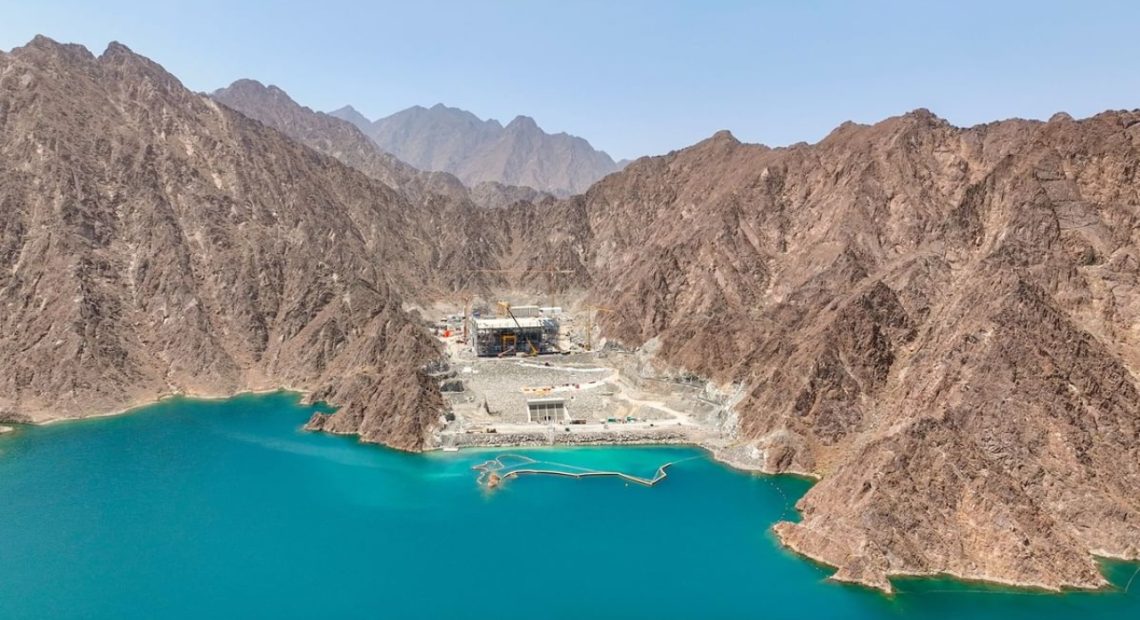
Another major project is the 250MW pumped-storage hydroelectric power station in Hatta, the first such facility in the GCC. The station will provide an energy storage capacity of 1,500 megawatt-hours and is designed to operate for up to 80 years.
To support sustainable transportation, DEWA continues to expand its Green Charger network for electric vehicles. Since its launch in 2014, the initiative has grown to more than 2,223 charging points across Dubai in partnership with various stakeholders. Charging services are available to both registered and guest users through multiple digital platforms.
The authority is also promoting sustainable construction through green building standards. DEWA currently operates 10 LEED-certified green buildings and continues to enhance energy and water efficiency across its facilities.
Among its flagship developments is Al Shera’a, DEWA’s upcoming headquarters, which is designed to become the tallest, largest and smartest net-positive government building in the world. The facility is targeting LEED Platinum and WELL Gold certifications and will integrate advanced technologies including artificial intelligence, the Internet of Things, big data and renewable energy systems.
Through these projects, DEWA is reinforcing Dubai’s position as a regional leader in clean energy innovation and climate action while supporting the emirate’s long-term sustainability objectives.