As new data shows falls affecting nearly half of older adults across the GCC, Starkey says the fall detection built into Omega AI should be treated as an active health tool, not a passive feature
Dubai, UAE, 17 July 2026: Starkey, a global leader in hearing technology, is calling on patients, families and caregivers across the Middle East to actively use the AI capabilities now built into modern hearing technology, starting with fall detection, one of the most underused safety features available to older adults today. The call comes as regional and global data continue to point to falls as one of the most serious, and most preventable, health risks facing ageing populations.
Globally, falls are the second leading cause of unintentional injury death, after road traffic injuries, with an estimated 684,000 people dying from falls each year and a further 37.3 million falls serious enough to require medical attention, according to the World Health Organization. Adults over 60 consistently record the highest fall-related death rates in every region of the world.
The picture across the Gulf is just as pressing. A pooled analysis of studies from Gulf Cooperation Council countries put the prevalence of falls among older adults at approximately 46.9% annually. In the UAE, one study found that around half of elderly participants had experienced a fall within the preceding two years, with women and adults over 70 at greatest risk. City-level studies from Saudi Arabia have recorded annual fall prevalence among older adults ranging from roughly 32% to as high as 58%, depending on the population studied.
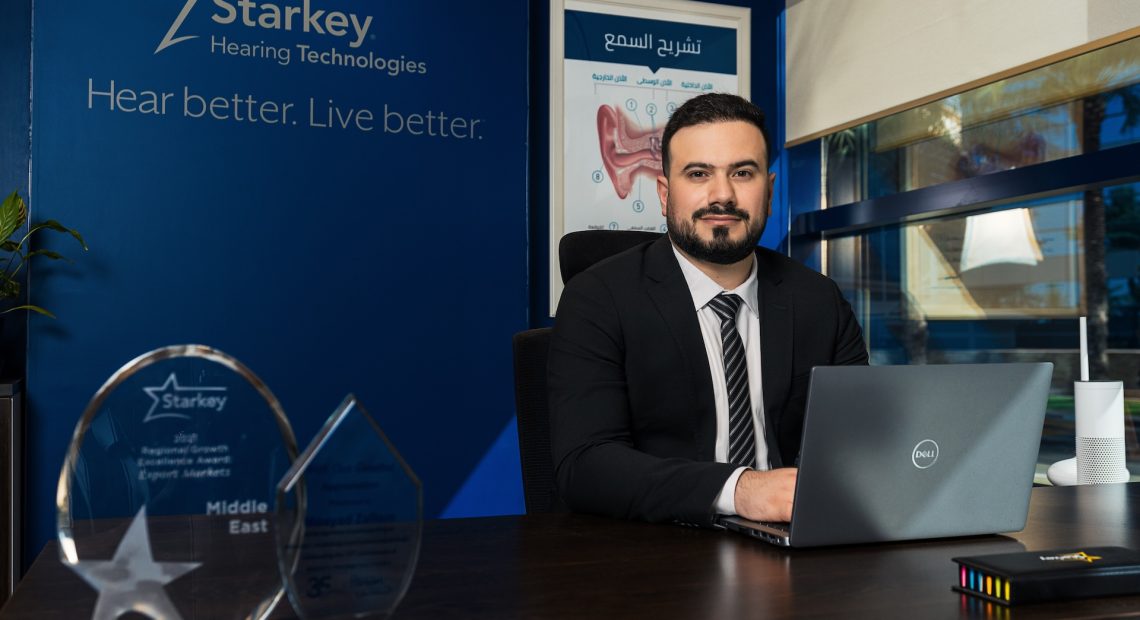
“Hearing aids have quietly become one of the most capable health devices a person over 60 can wear, and most patients and families don’t yet realise it,” said Moayad Zalloom, Audiologist and Commercial Sales Manager, Starkey MEA. “Omega AI was engineered so the same sensors that process sound can also detect a fall and alert a caregiver automatically. That is a meaningful safety net for an ageing patient living independently, but only if the feature is switched on and the people around that patient know it exists.”
Starkey MEA said the region’s demographic trajectory makes the issue increasingly urgent. Life expectancy across the GCC continues to rise, and with it, the number of older adults living independently or with limited daily supervision. Fall-related injuries are a leading cause of hospitalisation, loss of independence and long-term disability among this group, yet awareness of preventive technology remains low across the region.
“We spend a lot of time telling patients about hearing performance, and not nearly enough time telling them about the safety features already sitting in the device on their ear,” added Moayad. “Fall detection only works if it is turned on, if a family member is listed as a contact, and if the patient actually wears the device consistently. That is a conversation every audiologist in this region should be having with every older patient, and it is a conversation every family should be having at home.”
Starkey is encouraging patients, caregivers and hearing care professionals across the Middle East to treat three steps as standard practice: confirm that fall detection is enabled during every fitting or follow-up visit, register at least one family member or caregiver as an alert contact, and revisit those settings at routine check-ups rather than only after an incident has already occurred.
Starkey Middle East and Africa will continue working with audiologists, clinics and health partners across the region to raise awareness of AI-enabled safety features and to help translate the technology already available today into fewer preventable injuries among older patients.