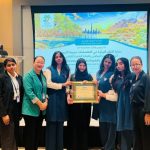

Photo Credit : WAM
Abu Dhabi will host the Alzheimer’s Disease Continuum evening event on September 19, 2026, bringing together healthcare leaders, clinicians, patients and caregivers to discuss improving Alzheimer’s diagnosis, care and long-term support across the UAE and wider Gulf region.
The event is being organised by Eli Lilly and Company (Lilly) in partnership with the Emirates Neurology Society (EMINS) and will take place alongside the 6th Abu Dhabi Brain Conference.
Participants will include representatives from the Department of Health – Abu Dhabi, Abu Dhabi Public Health Centre (ADPHC), SEHA, Dubai Health Authority and PureHealth. International and community organisations, including Alzheimer’s Disease International and Forget Me Not UAE, will also take part, alongside clinical experts from across the Gulf.
Held during one of the region’s major neurology gatherings, the programme aims to combine international expertise with local experience and regional healthcare priorities.
A key focus will be bringing Alzheimer’s disease into a broader public health conversation rather than treating it solely as a challenge faced privately by patients and their families. Discussions will explore how health systems can move from raising awareness towards creating coordinated pathways covering early detection, diagnosis, treatment, care and ongoing family support.
The Abu Dhabi meeting will also examine how healthcare systems across the UAE and Gulf can become better prepared to support patients and caregivers throughout different stages of Alzheimer’s disease.
Three Conversations Across the Alzheimer’s Journey
The programme will feature three connected discussions reflecting different stages of the Alzheimer’s care journey.
Patients, caregivers and clinicians will first explore the practical needs of families living with the disease. Regional and international health leaders will then discuss priorities for early detection, diagnosis and care.
The final discussion will focus on how health authorities and Centres of Excellence can translate existing healthcare capabilities into coordinated and accessible care pathways for patients and their families.
Prof. Suhail Al Rukn, President of EMINS, said that the period between a family first noticing potential symptoms and receiving a confirmed diagnosis remains particularly important.
He stressed that progress requires stronger connections between early recognition, specialist diagnosis and sustained family support. Advances in detection are making earlier identification increasingly possible, he added, making healthcare system readiness an important priority.
Tayllit Aherdan, Vice President and General Manager of Lilly Gulf covering the UAE, Kuwait and Qatar, said families should not have to navigate Alzheimer’s disease alone or in silence.
She said bringing together patients, caregivers and healthcare leaders could help establish a clearer journey from initial concerns through screening, early detection, diagnosis and ongoing support.
Focus on Early Detection and Coordinated Care
The session is expected to produce recommendations aimed at encouraging more open discussions about cognitive health and improving public understanding of the early warning signs associated with Alzheimer’s disease.
Participants will also examine ways to strengthen the role of primary healthcare providers in identifying potential cases and referring patients to specialists through clearer clinical pathways.
Another major priority will be improving coordination between assessment, diagnosis, treatment and long-term support so that patients and caregivers remain at the centre of the healthcare journey.
By bringing together stakeholders from across the Alzheimer’s care ecosystem, organisers hope the event will strengthen collaboration, support clearer policy priorities and help develop healthcare pathways that patients and families can navigate more easily.