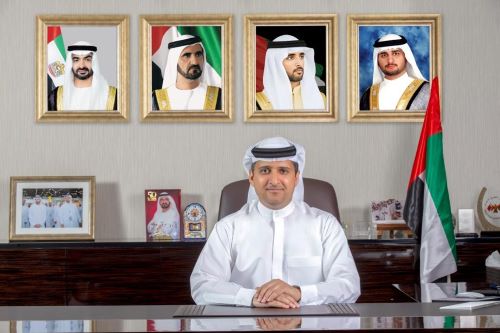
Anil Singh, Chief Business Officer, TASC Outsourcing
Saudi Arabia’s economic transformation under Vision 2030 is reshaping industries and redefining the Kingdom’s workforce. As the economy diversifies, businesses face an unprecedented challenge: finding and developing the talent required to support rapid growth. Understanding how Saudi Arabia is balancing global recruitment with domestic talent development is critical for anyone seeking insight into the Kingdom’s evolving labor landscape.
Global Talent as a Catalyst for Growth
To meet ambitious expansion goals, many Saudi companies are looking beyond their borders for skilled professionals. Countries such as Egypt and Jordan have become important sources of talent, providing expertise across sectors including technology, finance, marketing, and administrative operations. Some organizations bring these professionals directly into the Kingdom, while others establish offices abroad to manage essential functions remotely.
The scale of this reliance is significant. By mid-2025, approximately 14.1 million expatriates were employed in Saudi Arabia, accounting for nearly 77% of the workforce. Regional talent, particularly from Egypt, contributes more than 1.5 million employees, underscoring the Kingdom’s dependence on external human capital in key sectors. These numbers illustrate that, while Vision 2030 aims to boost local participation, international talent continues to play a pivotal role in supporting immediate business needs and specialized skill gaps.
Investing in Domestic Talent
At the same time, Saudi Arabia is making deliberate efforts to cultivate its own workforce. Programs designed to enhance employability, vocational training, and university-industry collaboration are creating pathways for Saudi nationals to enter the private sector and specialized industries. Government initiatives, such as the Taqat platform, facilitate connections between employers and job seekers, supporting Saudization policies aimed at gradually increasing the proportion of Saudi nationals in the workforce.
The impact of these initiatives is becoming increasingly evident. Official labor statistics show that Saudi workforce participation reached 51.3 % in early 2025, while female participation rose to 36.3 %, highlighting both a growing pipeline of local talent and broader societal shifts toward an inclusive labor market. These trends indicate that, alongside international recruitment, Saudi Arabia is steadily building a domestic workforce capable of supporting its long-term economic ambitions.
The Importance of Workforce Strategy
Saudi Arabia’s labor landscape is complex and fast-evolving, making strategic workforce planning essential. Organizations that approach talent as a long-term asset, balancing global recruitment with local development, are better positioned to navigate labor shortages, regulatory requirements, and market fluctuations. Key considerations include:
- Skill alignment:International recruits bring critical experience, while local hires ensure cultural and market alignment.
- Regulatory compliance:Saudization quotas and labor laws require careful planning and proactive management.
- Operational resilience: A diverse workforce reduces over-reliance on any single labor source and supports sustainable growth.
This dual approach is not just about filling vacancies; it is about preparing for an economy in transition and fostering a workforce capable of supporting long-term national priorities.
A Transformative Moment
Saudi Arabia is at a unique inflection point. Global talent continues to fill immediate skill gaps, while investments in domestic workforce development aim to secure the Kingdom’s future human capital. Observing this balance offers valuable insight into how ambitious economies can manage talent, reduce skill dependencies, and cultivate a sustainable labor ecosystem.
The Kingdom’s experience demonstrates that workforce transformation is not merely a byproduct of economic growth; it is a strategic enabler. As Saudi Arabia advances its Vision 2030 goals, the interplay between international expertise and local talent development will remain central to the country’s ability to realize its long-term ambitions.