A new study by Alef Education (ADX: ALEFEDT), a UAE-based global leader in education technology, found that students in Indonesia who completed more lessons on its platform scored an average of 5.1 points, or almost 7%, higher in end-of-year assessments than comparable students with lower engagement during the 2025–2026 academic year.
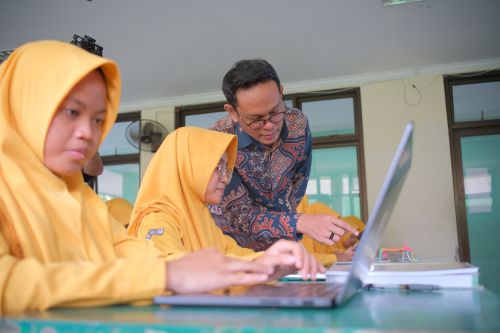
The study involved 2,221 students from 60 madrasas (Islamic schools) across 20 Indonesian provinces. It examined student performance in Arabic and English across Grades 5, 8 and 11, as well as Mathematics in Grade 8. Researchers compared students with higher and lower engagement on the Alef Platform, while accounting for their previous academic performance. Both groups used the platform, and the difference in assessment results was statistically significant indicating a meaningful link between greater engagement and stronger academic performance.
According to the study findings, every 10 additional lessons completed was associated with an average of 1.12 points higher on the end-of-year assessment, further highlighting the relationship between active participation in digital learning and academic results. Among the subjects monitored in the study, Arabic showed the strongest results, with highly engaged students achieving significantly higher scores than comparable students with lower engagement.
Geoffrey Alphonso, Chief Executive Officer of Alef Education, said: “Expanding access to digital learning is important, but access alone does not tell us whether students are progressing. Our findings in Indonesia demonstrate a clear relationship between lesson completion and academic performance, with particularly encouraging results in Arabic. This is valuable evidence that helps us understand where our solutions are performing well and where further improvements are needed. Our focus remains on working closely with educators to ensure that technology responds to the needs of students and delivers meaningful value in the classroom.”
Dr. Gugun Gumilar, Special Staff to the Minister of Religious Affairs of the Republic of Indonesia, added: “This collaboration to support education through the Alef Education platform is an important step toward advancing madrasas and supporting student progress across Indonesia. We thank all our partners for their valuable contributions and shared commitment to this effort.”
The findings offer valuable insights for schools and education authorities looking to make digital learning more effective. They highlight the importance of encouraging students to complete lessons, monitoring their progress and ensuring that digital tools complement classroom teaching. The differences observed across subjects and grades also provide opportunities for further research and improvement.
The study adds to Alef Education’s growing body of research on how digital learning supports academic achievement in different educational settings. By evaluating student engagement and learning outcomes, the company aims to continuously improve its solutions and strengthen its collaboration with education partners.