The UAE is home to 2,200 of the GCC’s 4,000 longevity organisations, 55% of the regional total and the largest share of any Gulf market, according to the GCC HealthTech & Wellness ecosystem platform published today by Gulf Longevity Intelligence Group and Longevity Industry Analytics, developed with technological support from Deep Knowledge Group.
Across the six Gulf markets, the platform covers 60,000 health and wellness organisations in total, of which the UAE accounts for 21,158. Of the 60,000, 4,000 organisations are longevity organisations, 2,100 of them longevity-focused and 1,900 longevity-related, or 6.6% of the regional total. In the UAE, 950 organisations are longevity-focused and 1,250 are longevity-related, a combined 2,200, or 10% of the country’s health and wellness sector.
The platform brings together HealthTech, healthcare, wellness and fitness organisations across Saudi Arabia, the UAE, Qatar, Kuwait, Oman and Bahrain in a single dataset, alongside a database, an interactive dashboard, a leaders map and a 3D interactive map of the regional ecosystem.
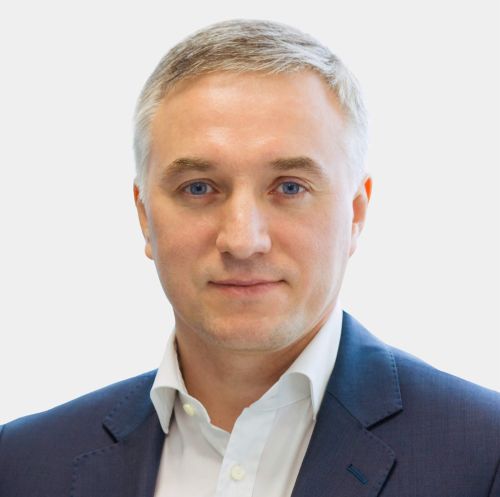
“The UAE has drawn longevity companies at a rate well above its share of the wider health sector, and that concentration is what turns activity into an industry,” said Dmitry Kaminskiy, General Partner of Deep Knowledge Group. “We expect the longevity share to keep rising across the Gulf over the coming years.”
Of the 60,000 organisations mapped, 49,000 sit in the wellness and fitness layer, which includes 5,753 wellness and spa businesses across the six markets. This part of the sector operates largely outside medical licensing. The platform measures and maps wellness alongside HealthTech and clinical healthcare in a single regional dataset.
The database brings two sides of the health economy into view. Among its company listings, the fitness and sports category accounts for 10,403 entries, pharmaceuticals and medical businesses for 9,775, and beauty and aesthetics for 8,277. A further 2,389 companies sit in digital health, data and AI. Separating these activities gives a clearer picture of who delivers care, who supplies the technology and where consumers access wellness services.
“It is often the case that the clinical side of this sector gets measured and the consumer side does not,” said Kaminskiy. “Yet it is the gyms, the spas, the fitness operators and the wellness centres where most people in this region actually interact with their own health. Counting both layers together gives a far more accurate picture of where demand sits.”
At 10%, the UAE has the highest concentration of longevity organisations of any Gulf market, well ahead of the regional average of 6.6%. The country combines a dense private healthcare sector with one of the most developed wellness and fitness markets in the Gulf, and has been the focus of successive national strategies on preventive health, longevity and digital health.
In January 2025, the Department of Health – Abu Dhabi licensed Pura Longevity Clinic under its framework for healthy longevity medicine centres. In Dubai, the Dubai Health Authority reported that licensed healthcare facilities reached approximately 5,800 in 2025, up from 5,340 in 2024. The Abu Dhabi licence shows longevity medicine entering formal regulation in the UAE, giving prospective partners a way to identify a specialised clinical service. Dubai’s annual figures show how quickly the range of facilities available to patients is expanding.
“The UAE has built an unusual combination,” said Kaminskiy. “World-class clinical infrastructure on one side, and a consumer wellness market that has grown faster than almost anywhere in the region on the other. The opportunity is in connecting them, so that prevention is not treated as a lifestyle choice separate from the health system.”
The platform identifies 2,515 investors across the regional sector, including 1,050 venture funds, and maps 96 government programmes and 90 research centres. Users can move between organisation profiles, country distribution and investment activity rather than relying on headline market-size estimates.
“An ecosystem map is only useful if it shows who is funding it,” said Kaminskiy. “Knowing that a market contains 60,000 organisations is interesting. Knowing which investors are active in it, and where, is what makes the data usable for a founder, an operator or a policymaker.”
The investor directory separates asset managers, private equity funds and angel investors from venture funds, donors and development banks.
“When a diagnostics company asks us where to start in the UAE, the first questions are which clinics could use its test and who supplies those clinics today. A shortlist of both gives the company a much better first conversation. The same approach can lead to a different set of partners in Oman or Saudi Arabia,” said Karim Saleh, Business Development Manager at Deep Knowledge Group.
The platform combines the Gulf HealthTech and wellness and fitness datasets and classifies records by activity, organisation type and location. Company and clinic counts describe listings in the platform. Users can follow individual profiles and suggest corrections as organisations change or new providers enter the market.
Gulf Longevity Intelligence Group is Longevity.Group’s regional intelligence initiative for the Gulf longevity economy. Its work covers providers, investors and institutions involved in longevity across the six GCC countries. Longevity Industry Analytics develops industry databases, ecosystem maps and comparative research. Deep Knowledge Group is a consortium active in technology, investment and analytics that provides the project’s technology infrastructure.