Initiative began in 2016
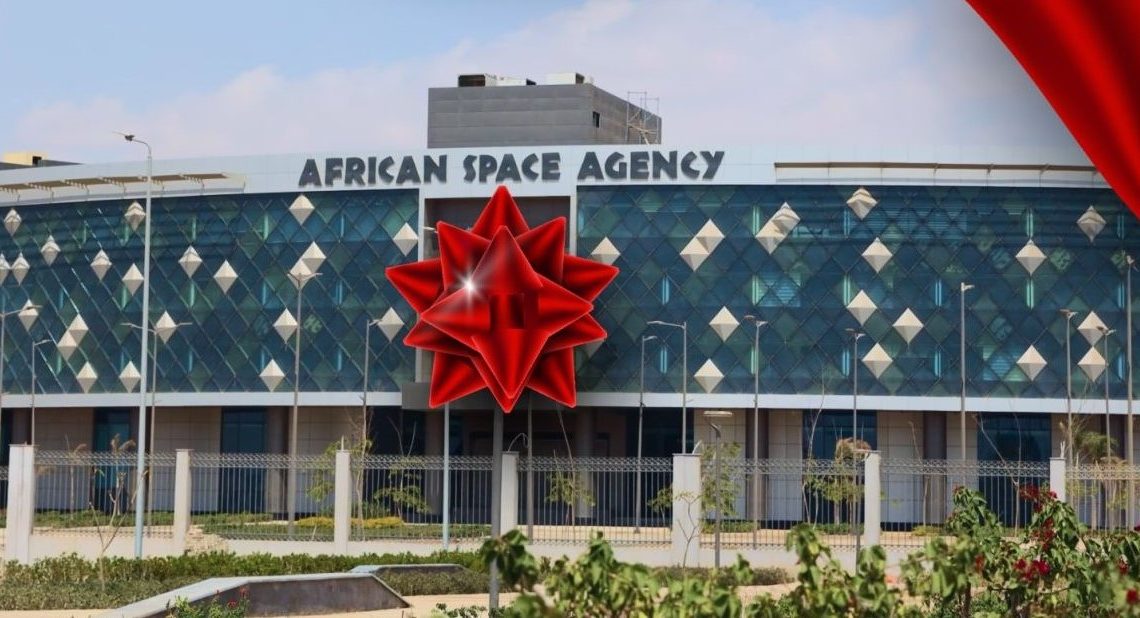
Africa took a major leap into the future on April 20, 2025, with the formal inauguration of the African Space Agency (AfSA) at its new headquarters in the Egyptian Space City, Cairo. This pivotal development signals the culmination of nearly a decade of coordinated efforts to establish a unified African presence in space.
The launch of AfSA is rooted in the African Union Assembly’s decision in January 2016, when it adopted the African Space Policy and Strategy during its Twenty-sixth Ordinary Session. That decision laid the groundwork for a collective approach to space activities across the continent, with an eye towards scientific progress, economic development, and greater autonomy in space-based technologies.
Global and continental support
The inauguration ceremony brought together top-level figures from both African governments and the international space community, highlighting the widespread significance of Africa’s expanding space ambitions.
Among the African leaders in attendance were Mahmoud Ali Youssouf, Chairperson of the African Union Commission, and Professor Dr Mostafa Madbouly, Egypt’s Prime Minister. Other regional dignitaries, including Professor Kobea Arsène of Ivory Coast, Angolan Minister Mário Augusto da Silva Oliveira, and Egyptian Foreign Minister Dr Badr Abdelatty, complemented their presence.
The international space community also came in full support. Key figures such as Marco Ferrazzani of the European Space Agency, Karen Feldstein from Nasa, UAE Space Agency Director Salem Butti Salem Al Qubaisi, and Italian Space Agency Director Luca Maria Salamone were all present. Their involvement underscores the rising interest from established space powers in partnering with Africa as it enters a new era.
AfSA’s mandate
AfSA’s central mission is to coordinate Africa’s space initiatives and drive cooperation with global partners, reducing redundancy and enhancing efficiency. Through implementing the African Space Policy and Strategy, the agency will streamline satellite development, data management, and technical capacity across member states.
The agency is expected to serve as a crucial hub for Earth observation, satellite communications, space science, and research development. It will also support integration between national, regional, and continental programmes, helping to build a unified African voice in the global space dialogue.
From vision to reality
The inauguration ceremony reflected the strategic and symbolic importance of the occasion. The programme opened with a documentary titled “Africa’s Journey to Space”, which traced the evolution of space exploration efforts across the continent. Viewers were taken through the early beginnings in Nigeria, South Africa, Egypt, and Kenya, showing how the vision for AfSA gradually took shape.
Dr Valanathan Munsami, former CEO of the South African National Space Agency and Chair of the AU Space Working Group, delivered a compelling keynote titled “The African Outer Space Journey.” His address highlighted the long road to AfSA’s creation, outlining the agency’s foundational objectives and how it aims to tackle developmental challenges using space technology.
The ceremony also featured a presentation on AfSA’s governance, structure, and operational framework. Delegates were briefed on how national space agencies will collaborate with the central body and what initial projects will be prioritised in AfSA’s early phase.
Symbolic logo
A highlight of the event was the unveiling of AfSA’s official logo, designed by Cameroonian graphic artist Remy Fadhil Bouelet. Chosen through a continental competition, the design blends Africa’s cultural identity with its space ambitions, symbolising unity, progress, and self-determination in a high-tech future.
The event also included a memorandum of understanding signing ceremony with key global partners. Agreements were inked with the European Space Agency, the UAE Space Agency, and Russia’s Roscosmos. Each deal includes concrete commitments around technical collaboration, satellite development, training, and the sharing of scientific knowledge.
Continental vision
In ministerial addresses, Ivory Coast, Angola, and Egypt leaders reaffirmed their national commitment to AfSA. These speeches gave insight into how member states plan to contribute, whether through financial support, infrastructure, or scientific expertise.
Egypt’s Prime Minister, Dr. Madbouly, stressed the significance of hosting the headquarters in Cairo in his address. He described how the Egyptian Space City will serve as a technology and research hub to incubate space startups, train African scientists, and support joint research projects with international partners.
Agenda 2063
The final keynote came from AUC Chairperson Mahmoud Ali Youssouf, who connected AfSA’s work with Africa’s broader Agenda 2063 goals. He clarified that space is no longer a luxury or distant dream but a strategic tool for tackling issues in agriculture, health, education, and disaster management.
The chairperson emphasised that the agency will play a central role in boosting Africa’s technological sovereignty, ensuring the continent no longer depends entirely on external providers for critical data and infrastructure.
Looking ahead
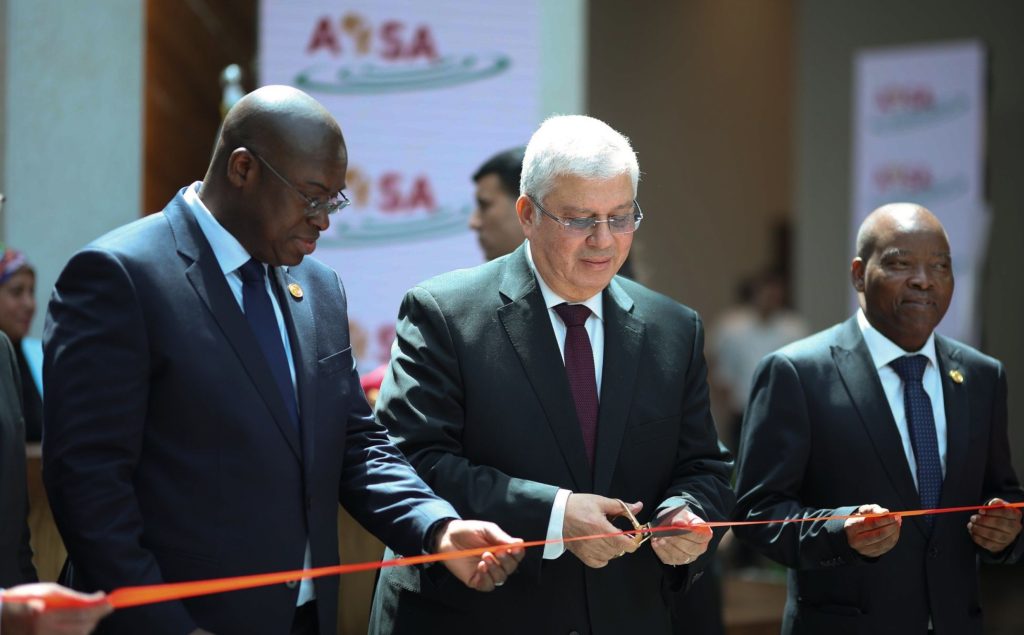
The event concluded with a ribbon-cutting and tour of the AfSA facility, where delegates viewed operational rooms, training centres, and communications infrastructure. The official ceremony followed a diplomatic reception, providing space for African leaders and international partners to begin shaping joint projects and capacity-building initiatives.
Image: The new headquarters of the African Space Agency in Egyptian Space City, Cairo. Credit: AfSA