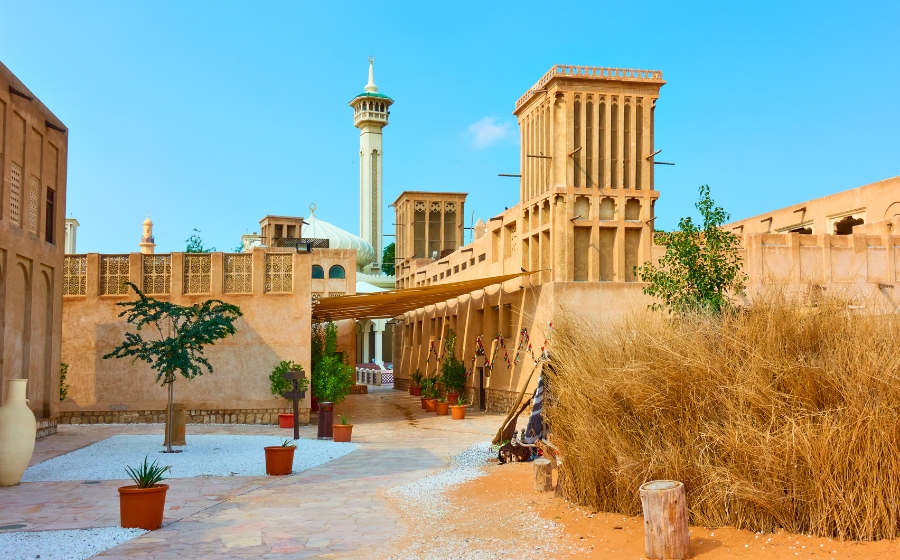
Among the modern cities of the world, the Al Fahidi Historical Neighbourhood remains one of the most famous heritage neighbourhoods in Dubai, offering a rare slice of culture that reveals the beginnings of the city before the oil boom brought unprecedented wealth to the region. Located near Dubai Creek, this historic district features narrow streets, old houses, historic buildings, restored buildings, museums, art galleries, and traditional cafes, creating a peaceful atmosphere that attracts tourists and visitors interested in the old culture, history, and lifestyle of pre-modern Dubai. From my experience exploring the area, it offers a striking contrast to the luxury hotels and tall skyscrapers found across the emirate, showcasing how inhabitants, merchants, and traders lived during the late 1800s and 19th century. Despite facing the risk of being demolished in the 1970s, successful efforts helped preserve its original appearances, and the area later gained attention from figures including King Charles. Once influenced by the nearby British base during WWII, this destination is now one of the leading cultural attractions, a treasured tourist hotspot, and one of the remaining pockets of city heritage.
About the Al Fahidi Historical District
Located in Bur Dubai, the Al Fahidi Historical area offers a glimpse into old Dubai through the Al Fahidi Historical Neighbourhood, where narrow lanes, restored museums, and cultural landmarks attract tourists throughout the day. From my experience, this historic neighbourhood is best explored with enough time to appreciate its heritage, architecture, and stories. Before you visit, it is helpful to check the official opening hours and timings, as different attractions may operate separately. Many visitors who have visited the area often account for extra time to explore its hidden corners, while local guides and cultural centres contend that it remains one of Dubai’s most authentic heritage destinations.
How to go to Al Fahidi Historical Neighbourhood?
For those visiting Al Fahidi Historical Neighbourhood, getting to this famous historical area is simple through different transportation options. I usually recommend public transport because Al Fahidi Metro Station is nearby and offers easy access for visitors and guests. You can also use the metro and stop at Al Fahidi Metro Station, or take a bus to Al Fahidi bus station and reach the destination within a short walk. If you prefer to drive, several parking areas with available parking can be found nearby, making many visitors comfortably accommodated. Whether you choose travel by bus station, metro, or private vehicle, access to Al Fahidi Historical Neighbourhood is convenient and straightforward.
History of the area
The story of Al Fahidi Historical Neighbourhood begins in Al Bastakiya, one of Dubai’s oldest heritage sites, where the district preserves countless memories from an earlier era that pre-dates the federation of the emirates and the union of 1971. Long before modern development, Emirati tribes and skilled merchants built a thriving settlement and community in the area, supported by the pearl trade that flourished across the region. As a former trading hub, it attracted pearl merchants and textile merchants, especially during the 1800s, helping shape the history, culture, and heritage of the neighbourhood. From my visits, the originality of its narrow passages, winding pathways, low buildings, traditional buildings, and remarkable architecture still reflects its past as a busy historic district dedicated to trading, while ongoing preservation efforts ensure this unique place remains an important part of Dubai’s identity.
Why Tourists Visit
Many visitors choose Dubai tours to explore this historic district because it offers an immersive cultural experience that feels very different from the city’s shopping malls and modern attractions. From my experience, the area provides a rich cultural experience, heritage experience, food experience, and educational experience in one place. Travellers and international tourists come here in search of authentic experiences beyond commercial entertainment, spending hours discovering local history in museums, taking photographs of beautiful monuments and traditional architecture, enjoying an armchair stroll through a shady alleyway, and visiting galleries filled with local art and crafts. The neighbourhood is also popular among art enthusiasts, travel bloggers, and people interested in historic sites, as it is a recognised destination in Dubai that offers many cultural and historical benefits.
Top Attractions Inside Al Fahidi Historical Neighbourhood
Among the many attractions found in this historic district, some of the most memorable are the museums, art spaces, cultural houses, and hidden courtyards that sit within easy walking distance of each other. During my visit, I noticed that most visitors prefer a slow walking tour because there are numerous little attractions scattered around the neighbourhood, making every turn interesting. The area has a relaxed atmosphere where visitors can enjoy traditional architecture and local heritage without rushing. Since everything is close together, many people spend 2-4 hours exploring the district, while others stay for longer to fully enjoy the cultural experiences available throughout the hours of their visit.
| Attraction | What Visitors Can Expect |
| Dubai Museum Area | Historical displays and cultural exhibits |
| Coffee Museum | Traditional coffee history and tasting experiences |
| Art Galleries | Contemporary and local artwork |
| Heritage Houses | Traditional courtyard homes |
| Creekside Walking Areas | Scenic views and photography spots |
Best Time to Visit
The best months to explore the district are Nov-Dec and Feb-March, when the weather is pleasant and ideal for a comfortable tour. During this time of year, visitors can enjoy a better experience in the outdoors without dealing with excessive heat. From my experience, the early hours of the morning are perfect for visiting, walking through the historic streets, and taking pictures while the area is quieter. While Dubai is rarely cold, the evenings feel cool and create a cosy feel, especially around the cafes and heritage attractions. The area remains popular after sunset when decorative lights add charm to the surroundings. For summer visits, the daytime temperature can become hot and sometimes extreme, so many visitors prefer exploring indoor galleries, museums, and places with air conditioners to stay cool.
Cultural Experiences
Exploring the neighbourhood during the season offers a wonderful glimpse into the region’s identity, where cultural exhibits, art activities, poetry readings, and heritage activities are held regularly across the district and wider area. From my experience, the mix of guided tours, educational workshops, and events organized by cultural groups helps both residents and visitors understand the significant part this place plays in preserving traditions, practices, and customs. You can also enjoy live music, discover local craft displays, and visit schools that participate in cultural programs. Nearby local cafes and restaurants serve Emirati cuisine, including authentic Emirati dishes, traditional meals, Arabic coffee, and delicious desserts, reflecting the warmth of local hospitality that makes this historic destination special.
Nearby Attractions
From the Al Fahidi historical neighbourhood, many famous tourist sites are within easy reach, making sightseeing in old Dubai simple and enjoyable. During my last visit, I enjoyed a short walk to Dubai Creek (5-minute walk), followed by Al Seef (7-minute walk) and the Textile Souk (8-minute walk). The Dubai Museum is also a 5-minute walk away, while the Sheikh Mohammed Centre for Cultural Understanding can be reached in just 3 minutes walk, offering a unique cultural attraction experience inside this historic heritage area. For a traditional journey, take an abra ride to the Spice Souk (10 minutes, abra ride) or continue to the Gold Souk (10 to 15 minutes). If you prefer to drive, the Dubai Frame is only around 15 minutes drive away, making it easy to combine modern landmarks with the charm of old Dubai.
Things to Do in Al Fahidi Historical Neighbourhood
One of the best activities in the historic area is exploration through the narrow lanes of the historical district, where tourists and visitors can experience the charm of old Dubai. From discovering historical attractions and learning about Dubai history to enjoying sightseeing, every corner of the neighbourhood reflects rich cultural heritage, deep-rooted heritage, and authentic local culture. I found that photography enthusiasts especially enjoy capturing the traditional architecture while exploring the traditional lifestyle and traditional culture that make this destination a unique part of Dubai’s past and present.
Explore the Heritage Streets
In the heart of the neighbourhood, the opportunity to experience the atmosphere of old Dubai comes alive as you stroll through the Heritage Streets. The narrow streets are beautifully lined with old-fashioned buildings and quiet courtyards, creating an authentic cultural setting that reflects the area’s rich heritage. From my visits, I found that the numerous streets are perfect for exploration, whether you enjoy a relaxing walk, taking pictures, or capturing memorable moments through photography. This historic area offers visitors a unique way to connect with the past while discovering the charm hidden within every corner of the heritage district.
Visit Museums and Cultural Centres
Exploring the neighbourhood through its Museums and Cultural Centres is one of the best ways to understand the area’s rich culture, history, and heritage. From fascinating displays about local history and pearl diving to insights into traditional life, these educational attractions offer something meaningful for both visitors and families. During my visit, I found the exhibitions especially engaging, while the heritage programs provided a deeper connection to local traditions and the wider community, making the experience both informative and memorable.
Enjoy Traditional Cafes
Among the restored buildings of Al Fahidi, the Traditional Cafes offer a peaceful escape where people can enjoy Arabic coffee, tea, and local snacks while experiencing authentic culture and warm hospitality. From my visit, these charming cafes are perfect for relaxation, with a quiet traditional courtyard and open courtyard spaces creating a sense of tranquillity and comfortable conditions. Whether you stop for light refreshments or a full heritage dining experience, the atmosphere reflects the rich traditions of old Dubai and makes every break feel memorable.
Discover Art Galleries
In the heart of Al Fahidi Historical Neighbourhood, Art Galleries offer a fascinating mix of local art and international art, giving visitors a chance to explore beautiful paintings, striking photography, and unique handmade crafts. From my experience, the area stands out for its blend of innovative exhibitions, rich local culture, and carefully curated galleries that showcase remarkable artwork. Every corner reflects creativity, while engaging cultural displays highlight different forms of artistic expression. Many of the exhibitions change throughout the year, making each visit a fresh and inspiring cultural experience.
Take an Abra Ride
A ride across Dubai Creek on an Abra Ride is one of the best ways for visitors to enjoy the area’s rich past. From my experience, an abra boat ride on these traditional boats and wooden boats offers beautiful views of the waterfront, while also connecting you to the trading history of the city. As you move along the creek, you can spot old trading areas, explore nearby souks, and see how this historic form of transportation still serves locals today. It is a simple yet memorable heritage experience that combines culture, history, and sightseeing in one short journey.
Visit the Coffee Museum
The Coffee Museum is one of the most popular attractions in the area, offering visitors a closer look at local culture through the story of Arabic coffee. Inside the museum, you can explore antique tools, historical tools, and displays that explain traditional brewing methods and the rich coffee heritage of the region. During my visit, I found it fascinating to see how people prepare coffee using traditional techniques and then taste different varieties while learning about long-standing coffee culture traditions. This unique attraction provides an authentic experience for anyone interested in history, customs, and the art of coffee making.
Conclusion
Among the best places to visit in Dubai, Al Fahidi Historical Neighbourhood offers a unique cultural experience filled with heritage, culture, and history. During my journey through this historic district, I enjoyed exploring the maintained streets, quiet alleyways, and preserved buildings that reflect Dubai’s past. The area features traditional buildings, heritage houses, famous wind towers, galleries, museums, and welcoming cafes where Arabic coffee and coffee can be enjoyed in a tranquil space. Set near Dubai Creek and the creekfront, this destination creates a striking contrast with the modern skyline, making it a memorable attraction for visitors interested in sightseeing, tourism, travel, exploration, local history, historic architecture, and photography. Every walk through the streets and alleyways presents an opportunity to learn, capture beautiful pictures, and appreciate this traditional landmark that continues to preserve Dubai’s rich past while offering a relaxing and memorable journey for all visitors.
FAQs
1. What is Al Fahidi Historical Neighbourhood known for?
Al Fahidi Historical Neighbourhood is known for its traditional architecture, heritage houses, wind towers, museums, galleries, and rich cultural history.
2. Where is Al Fahidi Historical Neighbourhood located?
The neighbourhood is located near Dubai Creek in the historic part of Dubai, offering visitors a glimpse into Dubai’s past.
3. Is Al Fahidi Historical Neighbourhood worth visiting?
Yes, it is one of the best places to visit in Dubai for history, culture, photography, sightseeing, and exploring preserved buildings.
4. What can visitors do in Al Fahidi Historical Neighbourhood?
Visitors can walk through quiet alleyways, visit museums and galleries, enjoy Arabic coffee in local cafes, and learn about local history and heritage.
5. How much time is needed to explore Al Fahidi Historical Neighbourhood?
Most visitors spend 2 to 3 hours exploring the streets, museums, galleries, and cultural attractions within the historic district.