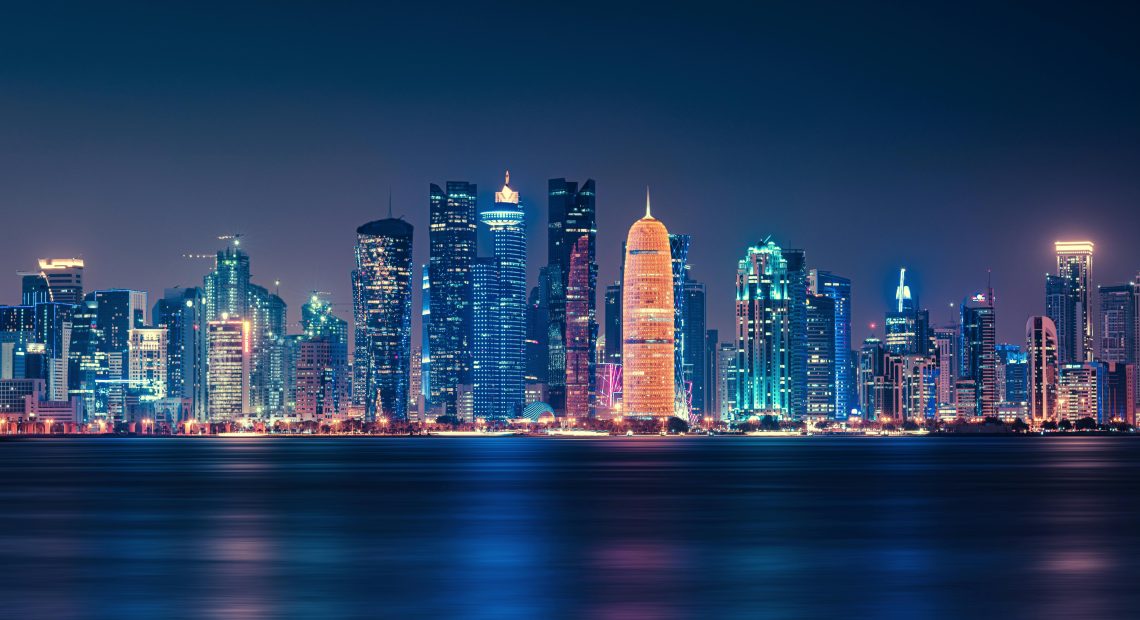
As 2025 unfolds, global property investors continue to set their sights on Qatar, and more specifically, its capital city—Doha. Known for its ambitious infrastructure projects, rapid economic diversification, and favorable investment policies, Doha is emerging as a powerful real estate destination in the Middle East. With a stable political environment, high rental yields, and a growing expatriate population, it’s no surprise that global investors are increasingly viewing Doha as a strategic and profitable market.
Whether you’re a seasoned investor or someone exploring international real estate for the first time, understanding what makes Doha a hotspot in 2025 can help shape informed and rewarding decisions.
Strategic Location and Global Connectivity
Doha’s geographic location between Europe, Asia, and Africa makes it a gateway for global commerce and investment. Hamad International Airport, recognized as one of the best airports globally, supports the city’s appeal by offering world-class connectivity. Qatar Airways further boosts accessibility by linking Doha with more than 170 international destinations. This easy access is crucial for international property investors looking to maintain close ties with their assets.
Additionally, Doha’s close proximity to other Gulf Cooperation Council (GCC) cities makes it a key location for regional investors who want to expand their portfolios without straying far from home.
Strong Economic Fundamentals
Qatar boasts one of the highest GDP per capita rates in the world, and its economy remains resilient thanks to vast natural gas reserves and a diversified growth strategy under Vision 2030. With the successful hosting of the 2022 FIFA World Cup, the country has demonstrated its ability to deliver on mega-projects and attract global attention.
The government continues to invest heavily in infrastructure, including transportation, tourism, education, and healthcare—creating a ripple effect of demand across various real estate segments. For investors, this translates to long-term capital appreciation and an environment ripe for both residential and commercial investments.
Liberalized Property Laws and Freehold Zones
In recent years, Qatar has made significant strides in liberalizing property ownership for foreigners. The introduction of freehold zones allows non-Qataris to purchase real estate outright in designated areas such as The Pearl, West Bay Lagoon, and Lusail. These zones offer modern infrastructure, luxurious living, and easy access to business hubs.
Additionally, foreign investors who purchase property above a certain value threshold can obtain residency permits for themselves and their families. This has made Doha particularly appealing to investors seeking both asset security and lifestyle benefits.
Mid-Article Keyword Inclusion
The rental market continues to grow steadily, making properties for rent in Qatar a key segment for investors to watch in 2025. With a constant influx of expatriates working in energy, finance, healthcare, and education sectors, demand for high-quality rental housing remains strong. Investors benefit from relatively high rental yields compared to other global cities, especially in well-located areas such as Al Sadd, Msheireb, and The Pearl. Whether investing in a studio, a luxury penthouse, or a family villa, the opportunities in Qatar’s rental market are diverse and promising.
World-Class Infrastructure and Smart City Projects
One of Doha’s defining characteristics in recent years has been its focus on smart urban planning and technological integration. Lusail City, for example, is being developed as Qatar’s first smart city, complete with intelligent traffic systems, energy-efficient buildings, and state-of-the-art public services. The Doha Metro has also revolutionized commuting, increasing the accessibility and appeal of various neighborhoods.
These infrastructure projects not only improve quality of life but also enhance the long-term value of nearby real estate assets. For investors, buying property near such developments can lead to higher capital growth and steady rental demand.
A Stable and Secure Investment Environment
Qatar ranks highly in terms of safety, security, and political stability—key concerns for international investors. The legal framework surrounding real estate transactions is transparent and investor-friendly. Banks in Qatar also offer attractive mortgage packages to foreign buyers, further facilitating ease of entry into the market.
Moreover, there is no property tax in Qatar, which significantly enhances net returns for property owners. This tax-free status, combined with solid demand and strong regulatory oversight, makes investing in Doha a relatively low-risk, high-reward proposition.
Lifestyle Appeal and Demand from High-Net-Worth Individuals
Doha offers a high quality of life, with its luxurious malls, world-class dining, waterfront promenades, and cultural attractions like the Museum of Islamic Art and the National Museum of Qatar. The city appeals to both residents and tourists, many of whom are drawn to its blend of tradition and modernity.
As a result, demand from high-net-worth individuals and expatriates continues to rise, particularly for upscale apartments and serviced residences. Investors who focus on this premium segment can expect consistent occupancy rates and premium rental income.
Final Thoughts
Doha’s real estate market stands out in 2025 as a compelling destination for global property investors. Its mix of strong economic indicators, investor-friendly laws, modern infrastructure, and a vibrant rental market make it a dynamic and profitable option. Whether you’re looking to invest in capital appreciation or recurring rental income, Doha offers opportunities across the spectrum.
As demand for properties in Qatar remains robust, and the government continues to support real estate growth through smart policy and visionary urban planning, now is an ideal time for global investors to take a serious look at Qatar’s capital city.