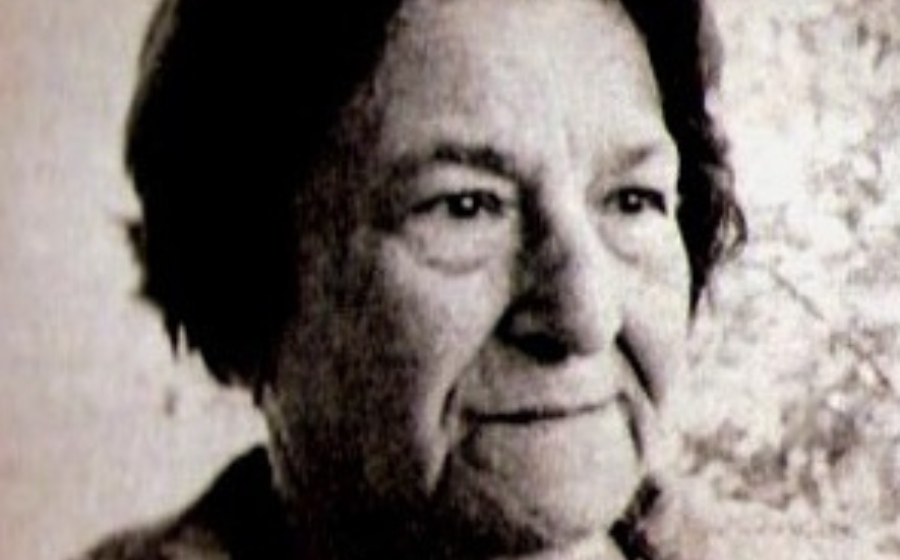
Photo Credit : Wikipedia
Dr. Saniya Habboub remains an inspirer across the Arab world because her journey in Arab medicine reflected true determination, strength, devotion, and perseverance at a time when Lebanese women faced massive cultural hurdles and social hurdles in pursuing a career in the field of medicine. Earning a medical degree in a foreign country was not only a personal achievement but also a symbol of progress, growth, and resilience for women in Lebanon, the Middle East, and later for UAE readers interested in influential stories about professional accomplishments and serving the nation. From my experience researching pioneers in healthcare, her professional philosophy stood out because of its focus on discipline, empathy, service, and the idea that Medicine is a lifetime responsibility that creates a lasting impact on people and societies. Her medical background, professional values, and deep commitment to the profession helped shape future careers, opened career opportunities for many in the United Arab Emirates, UAE, and the wider world, and ultimately transformed medicine while influenced generations through a structured, factual narrative, reader-focused approach built around search intentions, editorial credibility, and meaningful long-term influence.
Dr. Saniya Habboub
| Category | Details | Year / Duration |
| Birth | Beirut, Lebanon | 1901 |
| Education | Woman’s Medical College of Pennsylvania | 1931 |
| Medical Practice | Clinic in Bab Idriss, Beirut (Gynecology & Obstetrics) | 1931–1980s |
| Humanitarian Work | Lebanese Red Cross, health education | 1930s–1980s |
| Purpose | Promote women’s health & empowerment | Lifetime |
| Recognition | Health Medal of Merit, Google Doodle | 1982, 2022 |
| Legacy | Inspired generations of women doctors | Ongoing |
The Biography Of Dr. Saniya Habboub
Born in Beirut in 1901, Dr. Saniya Mohammad Habboub grew up during a time of political shift and social conservatism across the region, when Lebanon was under Ottoman influence and females had limited opportunities in higher education and professional fields. The majority of women were expected to focus on domestic duties, while only a small percentage could pursue learning in a formal setting. Still, her family played a significant impact in shaping her future, and their support later influenced her career and inspired other families to rethink the prevalent ideas about women’s roles. Her father was a firm believer in the importance of education, personal development, and creating a supportive environment that gave her the confidence to study with deep curiosity from the age of five. In my experience researching inspiring women from the Middle East, her early traits, combined with strong foresight-taking and smart decision-making, clearly explain how she became one of the pioneering figures of her time.
Education in Early Lebanon
In early Lebanon, Girls’ schools were in short supply, and most education for women stayed limited to basic literacy levels, while advanced scientific training in medicine remained almost impossible to access. Despite these difficulties, Dr. Saniya Habboub showed a keen curiosity for healthcare and science, something that became clear through her strong academic achievements at the start of her academic career. Her mother understood that learning medical practices locally was unattainable, and this painful realization pushed the family to think beyond national boundaries in search of better educational opportunities.
Clinical Training and Practical Experience
The transition from a student to a skilled practitioner often begins during clinical training, where real-world responsibility becomes just as important as theoretical knowledge. Through hands-on experience across a variety of patient situations, medical professionals learn how to handle different conditions in fast-moving healthcare environments with accuracy and precision. This important phase strengthens decision-making capability, especially when dealing with urgent cases, while maintaining patient safety and strong ethical responsibility. From my experience observing modern medical education, the importance of clear communication with patients cannot be ignored, especially when explaining medical options, complex treatment plans, or reducing confusion and fear during stressful moments. It also improves the ability to work inside multidisciplinary teams, where doctors regularly collaborate with specialists to provide better patient care across multiple medical fields.
Professional Practice and Medical Philosophies
A skilled physician often develops a unique professional philosophy over time, and in this case the main focus remains on clarity, respect, and structured care for patients during every stage of treatment. Instead of rushing through consultations, the approach values understanding of medical histories, lifestyle factors, patient concerns, and other important aspects that influence overall wellbeing. From my experience observing modern healthcare systems, a strong clinical approach built on detailed assessment before diagnosis, proper clarification of medical findings, and careful treatment planning creates more realistic and practical outcomes for individuals. Strong medical ethics also help avoid unnecessary procedures, while this healthcare model not only improves overall care quality and patient adherence, but also builds meaningful long-term trust between doctors and patients.
The Decision to Study Medicine Abroad
Barriers to Medical Education for Women
During the 20th century, Lebanon and the wider Arab world had very few medical institutions that accepted women, even though some educational opportunities were slowly becoming available. Because of strong social stigma around demanding careers like medicine, many people believed it was irresponsible and even unacceptable for a young woman to leave home and traveled alone to pursue university studies abroad. For Dr. Saniya Habboub, the journey was filled with barriers to entry, public criticism, and deep societal suspicion, making the idea a truly daunting prospect at the time. Still, her strong determination and clear dream of becoming a doctor pushed her forward, proving that courage and education could challenge old beliefs and open new paths for future generations of women.
Journey to the United States
At a pivotal stage in her personal life, Dr. Habboub made the bold decision to leave her home country and travel to the United States to study medicine, even when many Lebanese women faced imposed limits and social refusal around higher education and independence. Her story reflects strong self-determination, where the desire to pursue her dream and turn her dreams into reality became more important than fear or barriers. From my experience researching inspiring medical pioneers, her journey stands out because of the mix of enthusiastic ambition, quiet determination, and emotional endurance she carried while searching for better educational opportunities and wider opportunities to fulfill her goals in the field of medicine.
Return to Lebanon and Medical Practice
Establishing a Medical Career in Beirut
When Dr. Habboub completed her education and doctorate, she graduated from medical school and returned to Beirut, deeply determined to help the people in her area. Her medical practice was established in Bab Idriss, a central neighborhood that allowed women from different social groups to be reached more easily. At a time when the majority of women were hesitant or unwilling to seek medical attention from male doctors and other specialists, her presence filled an important gap in healthcare medical services. Over time, she became a respected physician, especially among women seeking care for sensitive medical issues, offering a more sensitive and trusted approach that changed how many families viewed women in medicine.
Focus on Women’s Healthcare
As a renowned specialist in gynecology and Obstetrics, Dr. Saniya Habboub shaped her medical philosophy around serving women and improving reproductive health for both young patients and mothers in her community. Her practice became widely respected because she believed quality healthcare should be available to everyone, especially low-income patients who were often in urgent need of support. She was known for Treating patients with deep compassion, while also Prioritizing preventive care to help families avoid serious health problems before they developed. During community event programs and clinic visits, she often offered reduced and no-cost services, which earned her immense admiration from people who valued her dedication and kindness toward women’s health.
Global Recognition and Google Tribute
In recent years, Google gave Dr. Saniya Habboub a unique Doodle as a special tribute to her life and work, helping the world at large remember her lasting legacy across national borders. This Google Doodle brought strong international appreciation and highlighted the importance of women’s contributions in the fields of medicine, science, and social advancement, showing how her influence still transcends cultures and inspires the world today. From my experience researching historical women in healthcare, very few figures receive this level of international respect and public recognition, which makes this Doodle and global appreciation even more meaningful for women, social progress, and future advancement in science and medicine beyond all borders.
Conclusion
Dr. Saniya’s journey in life is a testament to determination, courage, and her dedication to society. She broke down barriers in Lebanon and was a model of women’s empowerment, and created an impact that continues to inspire female health experts throughout all of the Arab world, and even the UAE.
Her story serves as a reminder that determination, education, ion, and love can change lives. Women from Dubai, Abu Dhabi, Sharjah, and all over the world are continuing to follow her success, improving medical knowledge, and determining how healthcare will be in the near future across the region.
FAQ’s
Who was Dr. Saniya Habboub?
The first Lebanese woman to take a medicine course abroad, she was an early pioneer in women’s health, inspiring Arab women throughout the Middle East, including the UAE.
When was Dr. Saniya Habboub born?
The year 1901 was her birth year. The city of Beirut, Lebanon.
Where did she study medicine?
She attended her school, the Woman’s Medical College of Pennsylvania, in the United States.
What year did she graduate from medical school?
The class graduated in 1931.
What was her medical specialization?
She has specialized in gynecology, as well as the field of obstetrics.
What contributions did she make to Lebanese healthcare?
Her treatment of women was a way to promote the health of mothers and improve access to healthcare for those living in marginalized communities.
Did she work with any humanitarian organizations?
Yes, she did work with her organization, the Lebanese Red Cross, and participated in health-related programs.
What awards and recognition did she receive?
She was awarded her Health Medal of Merit in 1982. In addition, she was awarded a Google Doodle in 2022.
Why is she considered a pioneer?
She broke down social barriers to women and advanced medical training, as well as helped inspire generations of female physicians.
How is her legacy relevant to the UAE?
Her groundbreaking work continues to encourage female physicians across the UAE in the UAE, where women are heldin senior positions within clinics, hospitals, and even universities.
How can women in the UAE follow her example today?
In pursuing medical training as well as contributing to health care, as well as leading initiatives to increase women’s and public health wellbeing.