As UAE summer temperatures soar
Dubai’s Roads and Transport Authority has completed the second phase of a major upgrade to ventilation and air conditioning systems across Dubai’s metro network, in a move aimed at sustaining operational performance and commuter comfort during the Arabian Gulf region’s harsh summer months.
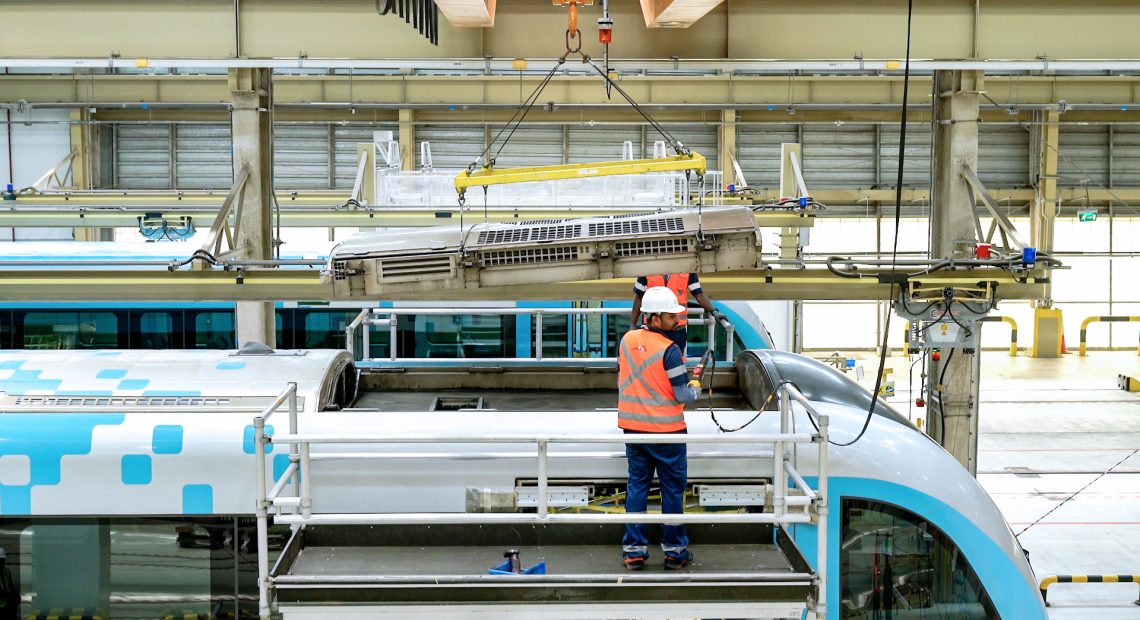
The works, which were carried out across 14 stations and two car parks along the Red Line, involved the overhaul of 876 assets, including air handling units, chilled water pumps and ventilation fans. The upgrade was completed without any disruption to metro services.
This second phase follows a previous round of works that addressed 261 systems across 13 stations. Together, the two phases form part of a long-term maintenance programme under a Strategic Plan 2024–2030, designed to ensure the durability of essential public transport infrastructure.
The timing of the upgrade is critical. Temperatures in the UAE can exceed 45 degrees Celsius during the summer, placing a heavy burden on public transport systems. Trains on the Dubai Metro network arrive every few minutes, and doors open frequently, allowing warm air to enter stations. Maintaining an internal temperature of around 24 to 25 degrees Celsius is seen as essential for passenger safety and comfort.
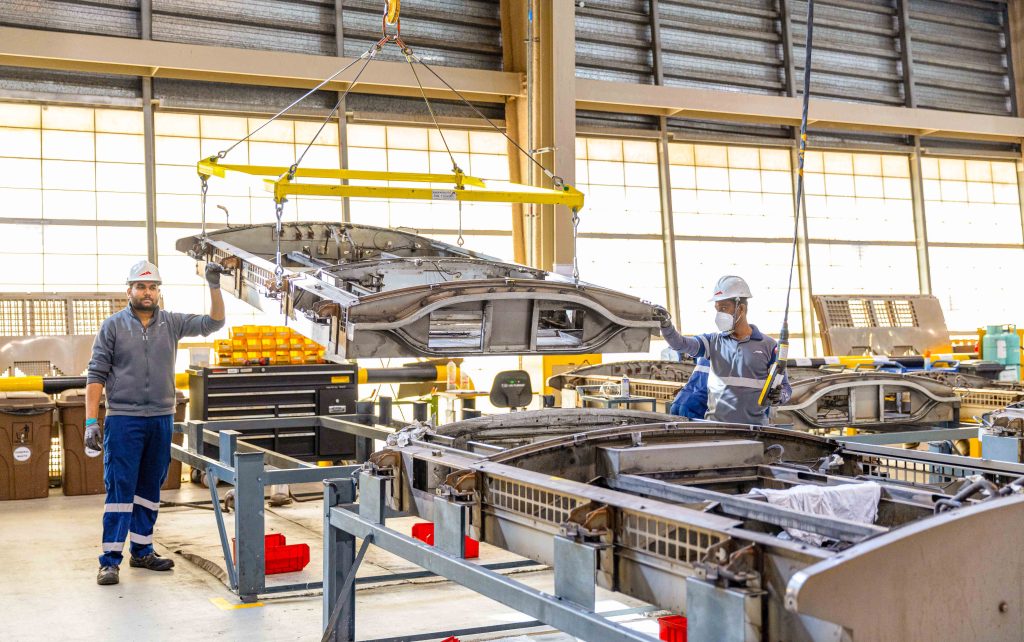
To avoid disruption to daily operations involving the Dubai Metro network, the 10-month programme was primarily conducted during night shifts and off-peak hours. Engineers carried out a deep cleaning, replaced bearings and cooling coils, and performed dynamic balancing to restore the systems to their original performance standards.
Phase three of the project is already in preparation. It will focus on the remaining quarter of public-facing cooling systems, as well as air handling units in back-of-house and technical areas. Initial testing and verification began in mid-July.
Officials say the ongoing upgrades are not only about immediate comfort but also about extending the lifespan of key equipment and ensuring long-term energy efficiency. The transport agency is also exploring a potential shift toward variable flow technology, which could reduce power consumption across the metro network.

The Dubai Metro is one of the busiest urban transport systems in the Gulf region. With high passenger volumes and challenging climate conditions, cooling infrastructure is a vital part of service continuity.
The works are being carried out in partnership with Keolis-MHI, the operator responsible for running both the Dubai Metro and the Dubai Tram networks as part of a long-term concession. The collaboration is part of a broader effort to maintain high standards of urban mobility in a rapidly growing city that has positioned itself as a transport hub for the Middle East and beyond.
While the upgrades may go unnoticed by most Dubai Metro commuters, they play a crucial role in the system’s ability to function reliably in one of the world’s most extreme climates. The focus on climate resilience in transport infrastructure reflects a broader trend across Gulf cities, where rising temperatures and population growth are pushing systems to their limits.
Hero image: The works were carried out across 14 stations and two car parks along the Dubai Metro’s Red Line. Credit: Dubai RTA