
Study analyses 79 nations
Iceland is the most energy-resilient country in the world, according to a new global study launched after a catastrophic blackout on April 28, 2025, plunged parts of Spain and Portugal into darkness.
The research, conducted by TRG Datacenters, analysed energy systems in 79 nations and ranked their ability to recover from widespread power loss. Iceland scored the highest overall, due to its vast reserves of clean energy and rapid hydroelectric restart capabilities.
The Energy Independence and Resilience Index uses five key metrics to assess a country’s energy security. These include reliance on hydroelectric power, alternative and nuclear energy sources, fossil fuel dependency, energy efficiency, and energy self-sufficiency. The index gives the most significant weight to hydroelectric production and the use of clean energy, since hydro stations can resume full output in under five minutes, faster than any other source.
The study was prompted by Spain’s five-second voltage collapse last month, which turned off nearly 60 per cent of the national grid. The event raised urgent questions about how well-prepared countries handle future blackouts, particularly amid growing energy demands and climate-related pressures.
Iceland leads the pack
Iceland topped the list with an overall index score of 82.93. Nearly 90 per cent of its total energy use comes from clean, renewable sources—primarily geothermal and hydroelectric power. With 70.2 per cent of its electricity generated from hydro alone, Iceland’s grid can recover from failures faster than any other country studied. Its low fossil fuel consumption, at just 10.3 per cent, further boosts its resilience in a blackout scenario.
Norway secured second place with an index score of 67.12. Despite higher fossil fuel usage than Iceland, Norway’s 89.1 per cent hydroelectric share—the highest of any country—gives it robust restart capabilities. Over half of its energy mix is renewable, strengthening its grid’s ability to withstand and recover from large-scale outages.
Switzerland came in third, balancing hydro and nuclear energy to achieve a 63.47 index score. With 55.9 per cent of its electricity from hydro sources and low fossil fuel reliance, Switzerland’s energy system offers speed and stability in emergencies.
Sweden and New Zealand round out the top five
Sweden ranks fourth on the list, with 49.2 per cent of its energy derived from clean sources, including hydro and nuclear. While its hydroelectric output (40 per cent) trails the top three countries, its low fossil fuel use and strong infrastructure give it a solid resilience profile.
In fifth place, New Zealand relies on hydroelectricity for 59.5 per cent of its electricity. Its diverse renewable energy mix and relatively low dependence on fossil fuels make it among the most resilient nations in the Southern Hemisphere.
Hydropower emerges as a key predictor
The index results reveal a striking pattern: countries with strong hydroelectric infrastructure and minimal reliance on fossil fuels are better equipped to weather large-scale energy disruptions. Hydroelectric plants can restart within minutes, whereas thermal plants—like those powered by coal or gas—can take hours or even days to return to operation after a shutdown.
Brazil, in sixth place, underscores this point. Despite its moderate fossil fuel use, its 60.2 per cent hydroelectric share gives it a reliable energy safety net. Austria follows closely in seventh, with similar hydro levels and a respectable share of alternative energy.
Latvia, France, and Ecuador complete the top ten. France’s ranking is primarily driven by its reliance on nuclear power, which provides grid stability despite low hydroelectric capacity. Ecuador benefits from a 74.6 per cent hydro share, second only to Norway, but its high fossil fuel use dampens its overall score.
Data centres and digital risk
The study’s implications extend beyond national grids. TRG Datacenters, which led the research, warned that data centres—critical to the functioning of the global internet—are especially vulnerable during energy crises.
“Energy is the foundation of every data centre—without it, the internet stops,” said a TRG spokesperson. “From streaming platforms to online banking, most of what people rely on every day runs through a data centre. A major outage could have global ripple effects in places like Northern Virginia, where data centres are densely clustered.”
While most data centres have backup generators, these rely on fuel deliveries that may not be available in a prolonged outage. TRG noted that it stores more than five days’ worth of fuel on-site to mitigate this risk, but stressed that clean energy and structural resilience offer longer-term solutions.
“This study shows that clean energy and resilience can go hand in hand,” the spokesperson added. “Countries with strong hydro infrastructure bounce back faster. As we shift toward more variable sources like wind and solar, pairing them with storage and backup systems will be key to keeping critical infrastructure online.”
The Energy Independence and Resilience Index highlights a critical challenge for the modern world: ensuring reliable, rapid recovery from power failures as global energy systems evolve. With climate volatility and cyber threats on the rise, the resilience of national grids may become as important as their sustainability.
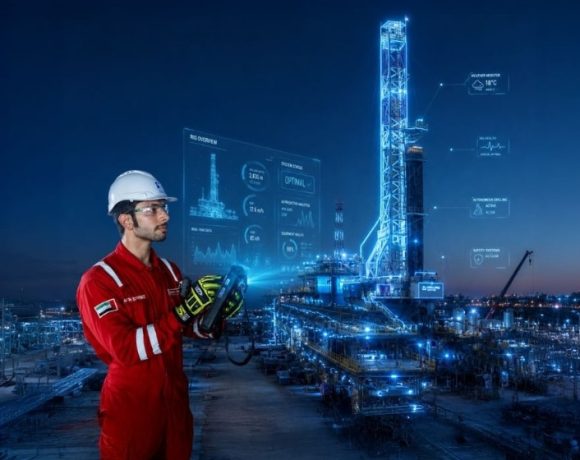
Image: Iceland’s grid can recover from failures faster than any other country studied. Credit: Alexander Zvir