From October 25, 2025
Lufthansa will restart non-stop flights between Munich and Riyadh from October 26, 2025, marking a renewed push by the German carrier to expand its network in the Arabian Gulf region amid rising travel demand.
The airline will operate the route three times a week, departing Munich at 21:45 and landing in the Saudi capital at 04:50 the next day. The return leg is scheduled to depart Riyadh at 06:25 and arrive in Munich at 10:25. Lufthansa will operate the route using its Airbus A350-900, which seats 293 passengers across three classes.
The move comes as air connectivity between Europe and the Middle East continues to strengthen, with passenger traffic in the region surpassing pre-pandemic levels.
According to the International Air Transport Association (IATA), Middle Eastern airlines saw a 32.3% year-on-year increase in international traffic during the first half of 2025, with strong demand between Europe and the Gulf acting as a key driver.
Riyadh is a growing destination for both business and tourism. With a population nearing eight million, the Saudi capital is undergoing rapid transformation under the country’s Vision 2030 economic diversification plan. Riyadh is also preparing to host several major global events, including Expo 2030 and the Fifa World Cup in 2034, both expected to draw millions of visitors.
The return of Lufthansa’s Munich-Riyadh service adds to its existing operations in Saudi Arabia. Along with its partners Eurowings and ITA Airways, the Lufthansa Group will now offer 22 weekly flights to Riyadh, Dammam, and Jeddah. Overall, the group operates more than 120 flights weekly across the Middle East and North Africa.
The airline marks 65 years since it first operated flights to Saudi Arabia. The Gulf region remains a strategic market for European carriers as competition intensifies from regional airlines such as Emirates, Qatar Airways, and Saudia.
Riyadh’s central location and proximity to key Islamic pilgrimage sites also reinforce its importance as a regional air hub. The city is a transit point for many travelling to Mecca and Medina, especially during peak Hajj and Umrah seasons.
As regional tourism rebounds and Gulf states ramp up investment in infrastructure and events, demand for direct routes connecting European hubs to Middle Eastern cities is expected to remain strong. Lufthansa’s latest route signals its intent to maintain a presence in a fast-evolving and increasingly competitive market.
Industry analysts suggest further growth is likely in the coming years, particularly as Saudi Arabia opens up to international tourism and expands its airport capacities.
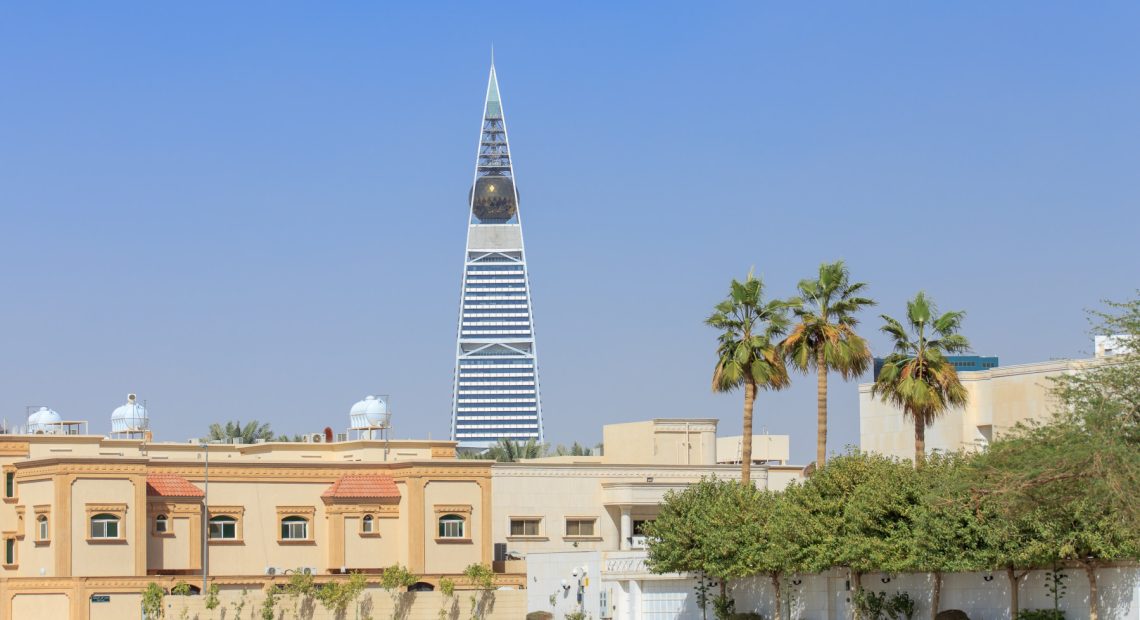
Image: Riyadh is a transit point for many travelling to Mecca and Medina, especially during peak Hajj and Umrah seasons. Credit: Lufthansa