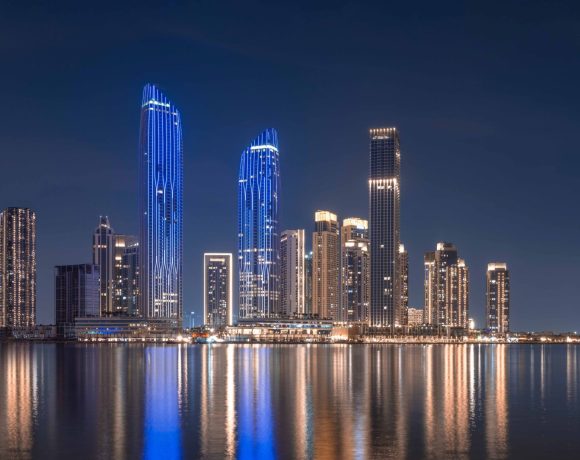

Dubai, UAE — January 2026 — The Emirate of Sharjah is experiencing a major surge in waterfront property transactions, a trend driven by its unique geography featuring coastlines on both the Arabian Gulf and the Indian Ocean, as well as internal lakes and waterways.
This natural diversity has significantly increased the appeal of these areas for living and investment, as discussed in a recent real estate panel titled “Developing Real Estate Projects on Waterfronts.”
Abdullah Al Zarouni, director of the Real Estate Transactions unit at the Sharjah Real Estate Registration Department, highlighted how the Emirate has capitalized on its waterfronts to create integrated projects.
These developments successfully combine residential units, commercial services, and recreational facilities with promenades and green spaces, enhancing the overall quality of life, as reported by the Emirates News Agency.
Al Zarouni confirmed continuous growth in the sector, with Sharjah registering over 10 new waterfront projects in 2024 and 2025.
He credited man-made water bodies like Khalid Lake and the Qasba and Al Layyah canals, alongside developed waterfront experiences at locations such as Majaz Waterfront and the Al Hira and Khorfakkan corniches, for bolstering the long-term investment value of these properties.
Competitive pricing, clear regulations, and sustained government support were also noted as key factors driving increased local and foreign demand for these stable assets.
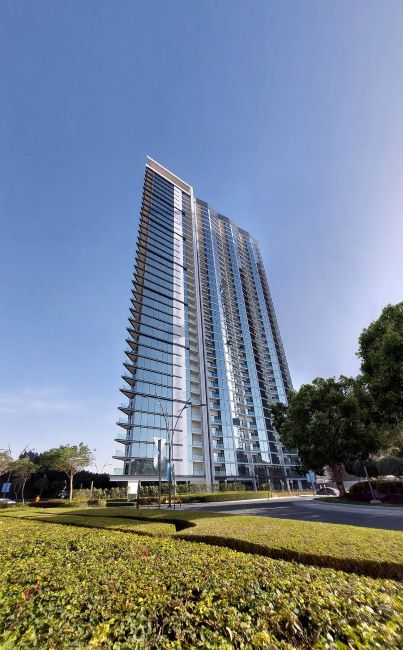
Echoing the sector’s confidence, George Raymond Khouzami, CEO of AL THURIAH Real Estate Group, emphasized that developing vertical towers on waterfronts maximizes views while preserving open public spaces.
He pointed out that waterfronts are a rare resource requiring high-quality development and that seaside properties maintain strong investment value due to limited supply, offering superior rental returns and resale liquidity.
Khouzami also observed a market shift toward buyer preferences for quality, smart design, and sustainability.
Farid Jamal, chief commercial officer at Ajmal Makaan, identified coastal tourism as a primary engine for waterfront development, elevating the economic and real estate value of coastal areas.
He stressed that the most successful projects integrate tourism with real estate to create vibrant coastal cities with premium recreational experiences. Jamal concluded by underscoring the critical need to balance economic growth with the preservation of marine environments to ensure the long-term sustainability and appeal of these destinations.