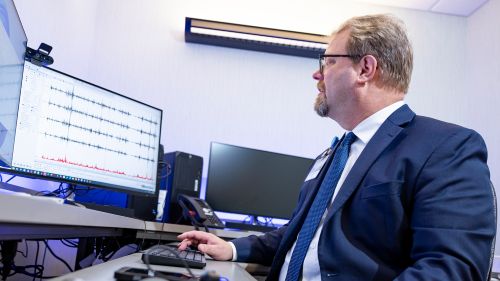

Mayo Clinic researchers have developed a smartwatch-based alert system that signals parents at the earliest signs of a tantrum in children with emotional and behavioral disorders — prompting them to intervene before it intensifies. In a new study published in JAMA Network Open, these alerts
Mayo Clinic
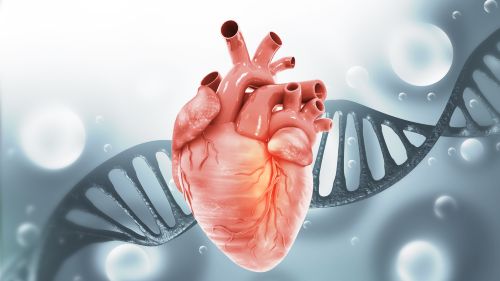
Mayo Clinic researchers have developed a new way to predict whether existing drugs could be repurposed to treat heart failure, one of the world’s most pressing health challenges. By combining advanced computer modeling with real-world patient data, the team has created “virtual clinical trials” that may facilitate the discovery of effective therapies while
Mayo Clinic researchers have developed artificial intelligence (AI) tools that help identify which children with asthma face the highest risk of serious asthma exacerbation and acute respiratory infections. The study, published in the Journal of Allergy and Clinical Immunology, found the tools can detect those risks as early as age 3. The work is […]
At the heart of World Health Expo 2026 (formerly Arab Health), one of the world’s foremost healthcare exhibitions, Saudi German Health (SGH) and Mayo Clinic convened a senior leadership session to examine how global medical expertise and regional healthcare delivery models can work together to strengthen healthcare systems and improve patient outcomes across the region.
DEAR MAYO CLINIC: What is the difference between sudden cardiac arrest and a heart attack? Who is at risk for both, and what safety measures can we take? ANSWER: Sudden cardiac arrest may occur in various conditions when someone, while active (playing basketball or walking with friends), collapses and passes out. Their blood pressure drops, and […]
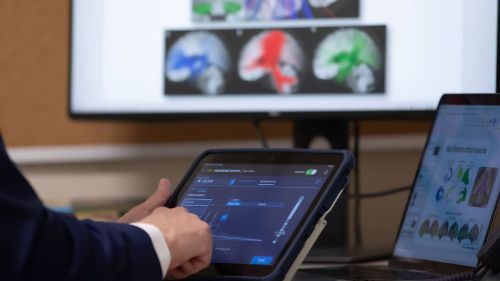
Mayo Clinic researchers have developed a new, personalized approach to deep brain stimulation (DBS) for people with drug-resistant epilepsy. By mapping each patient’s unique brain wave patterns, the method allows physicians to target the precise area in the brain where stimulation is most effective, moving beyond the traditional one-size-fits-all approach. DBS
Mayo Clinic researchers have developed a pioneering method to mend damaged hearts without open-heart surgery, an advance that could one day transform the treatment of heart failure. The new approach uses lab-grown heart tissue made from reprogrammed adult stem cells, delivered through a tiny incision rather than a surgically opened chest cavity. In preclinical […]
New year, new focus on health: Mayo Clinic expert highlights effective treatment options for obesity
In the month of January, people around the world make New Year’s resolutions to improve their health. For some adults living with obesity, lifestyle changes alone may not be enough to treat the disease. The World Health Organization reports that 1 in 8 people in the world were living with obesity in 2022. In […]
Mayo Clinic researchers have developed a new tool that can estimate a person’s risk of developing memory and thinking problems associated with Alzheimer’s disease years before symptoms appear. The research, published in The Lancet Neurology, builds on decades of data from the Mayo Clinic Study of Aging — one of the world’s most comprehensive
Mayo Clinic researchers have identified a molecular “switch” in lung cells that helps them decide when to repair tissue and when to fight infection. This discovery could guide future regenerative therapies for chronic lung diseases. “We were surprised to find that these specialized cells cannot do both jobs at once,” says Douglas Brownfield,
Resolutions to improve health typically include measures such as more exercise, a healthier diet and stopping smoking. But what about your gut microbiome? Taking steps to protect and improve it can benefit digestive health and more, says Purna Kashyap, M.B.B.S., a gastroenterologist at Mayo Clinic who specializes in the gut microbiome and gastrointestinal disorders.
A decade after opening, the Mayo Clinic Proton Therapy Program in Rochester, Minnesota, has treated 10,000 patients. Annually, the program treats 30%–40% more patients than most comparable centers in the country. And, with new technology and facility expansions, it will soon be able to treat nearly 75% more patients each year with even more precise […]
A new Mayo Clinic study finds that many heart attacks in people under 65 — especially women — are caused by factors other than clogged arteries, challenging long-standing assumptions about how heart attacks occur in younger populations. Study findings published in the Journal of the American College of Cardiology examined over 15 years of data […]
Mayo Clinic researchers have identified a potential new way to monitor the progression of high-grade gliomas, one of the most aggressive types of brain cancer. Their feasibility study suggests that a personalized blood test tailored to each patient’s tumor DNA could provide a faster and less invasive way to determine if the cancer is advancing. […]
Back pain is common, but several myths about it persist. Meghan Murphy, M.D., a neurosurgeon at the Mayo Clinic Health System in Mankato, describes eight of them and provides the facts. Myth: Lifting heavy objects is the main cause of back pain. Fact: Lifting heavy objects with poor form can contribute to […]
Skin allergies are common and often frustrating to diagnose. But new technology could soon help change that. Dr. Alison Bruce, a dermatologist at Mayo Clinic in Jacksonville, is aiding the development of an artificial intelligence (AI)-powered tool to support allergy patch testing. The tool is being designed to help patients self-apply test patches and use […]
The immune system is meant to protect the body from infection and disease. But with age, it can become less capable of doing so. However, Mayo Clinic researchers have found that some older people maintain “immune youth” – a new term coined by Mayo researchers to explain a young immune system in someone over age […]
Some of the most harmful genetic changes in cancer are also the hardest to see. These structural alterations, deep within a tumor’s DNA, can fuel aggressive growth and evade standard testing, especially when tissue samples are small or degraded. To address this challenge, Mayo Clinic researchers have developed a new tool that illuminates these elusive […]
The factors that raise the risk of heart disease and stroke can also raise the risk of dementia. When blood vessels are damaged or blocked, it can deprive your brain of vital oxygen and nutrients, and that could lead to vascular dementia. Vascular diseases contribute to approximately 25% of all dementia diagnoses. “Vascular changes in […]
Mayo Clinic researchers have discovered a key reason some cancer patients relapse after receiving chimeric antigen receptor T-cell therapy, or CAR-T cell therapy. Over time, the engineered immune cells age and lose their ability to fight cancer. Published in Molecular Cancer, the study identifies this aging process, known as senescence, as a previously unrecognized