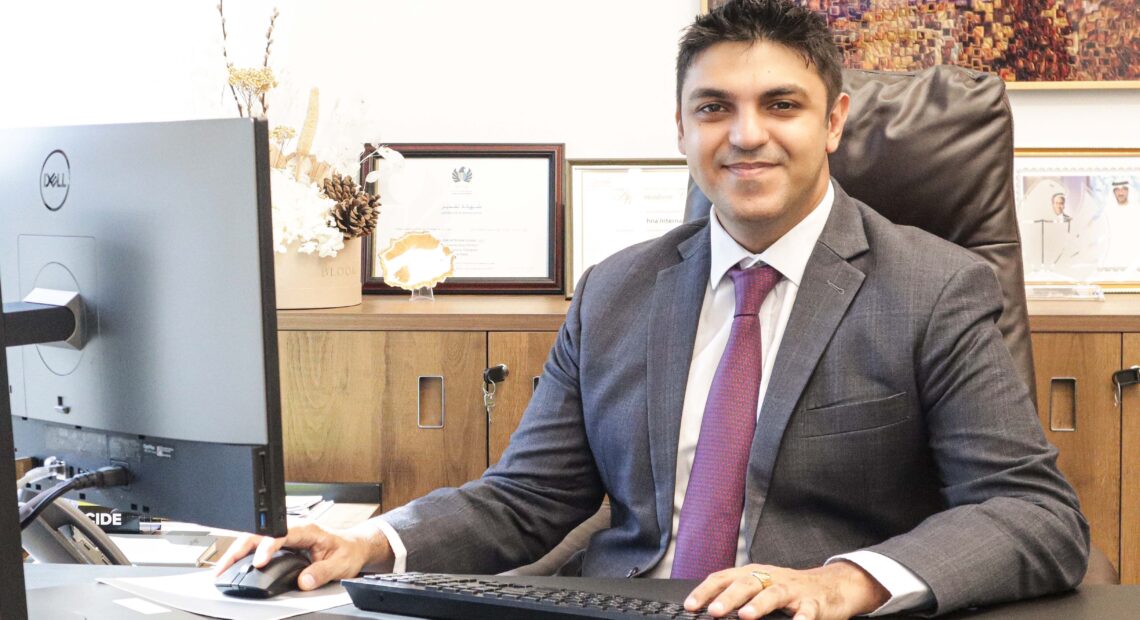
By Vijay Valecha, CIO, Century Financial
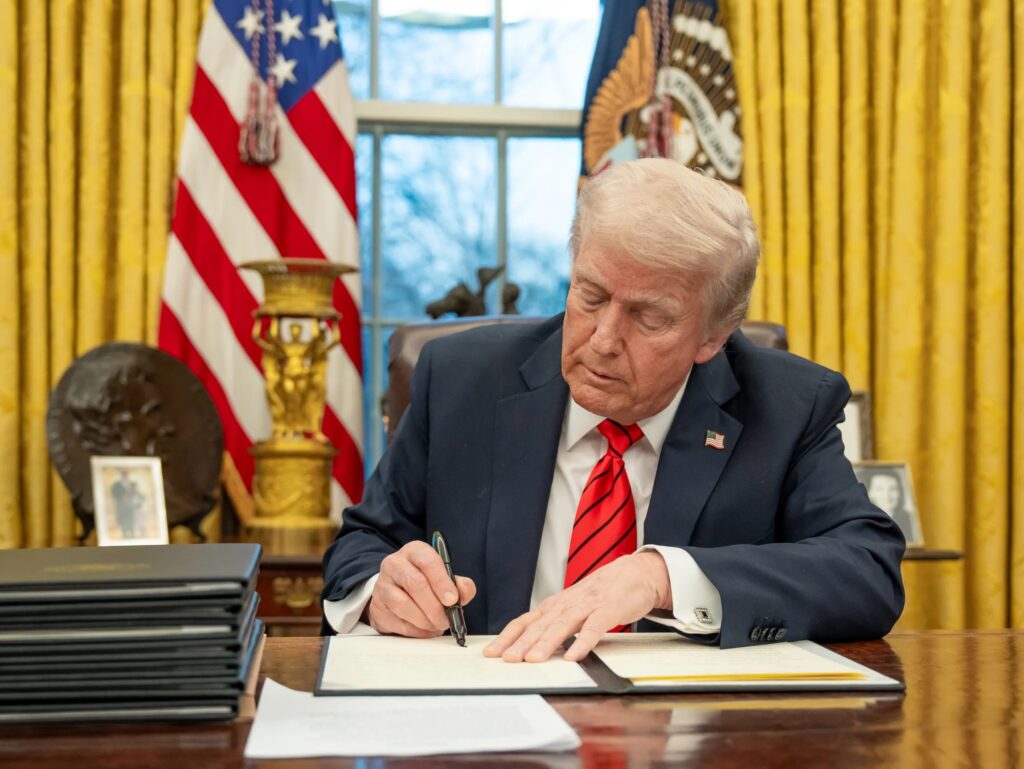
US President Donald J. Trump’s much-hyped “Liberation Day” arrived on April 2, 2025, leaving market participants feeling anything but “liberated.” Although Trump had indicated the possibility of tariffs with a narrower focus, he has unveiled the steepest tariff measures in a century. This includes a 10% tax on imports from all US trading partners, with far higher duties on around 60 nations.
America’s most prominent trading partners are the recipients of hefty levies—with reciprocal tariffs of 34% on China, 46% on Vietnam, 26% on Japan, 32% on Taiwan, and 26% on India.
By comparison, the UAE and Saudi Arabia will be subjected to the baseline tariff rate of 10%. Other GCC countries, such as Oman, Bahrain, Kuwait, and Qatar, will incur 10% tariffs on all imports to the United States. Several MENA countries are to incur reciprocal US tariffs, including Israel (17%), Tunisia (28%), Jordan (20%), Egypt (10%), and Morocco (10%). These measures were scheduled to take effect on April 5, 2025.
Despite the US maintaining a trade surplus with all six GCC countries in 2024, Trump imposed a 10% baseline import tariff on these nations, aligning with the tariffs they apply on US goods. Last year, the US exported goods valued at $27 billion to the UAE, significantly exceeding the $7.5 billion imports from the UAE. This resulted in a $19.5 billion surplus for the US, reflecting a 6.9% increase from 2023.
Low GCC VAT
The value-added tax (VAT) in GCC countries remains relatively low compared to the higher tax rates across Europe. Most GCC nations impose a 5% VAT, with Saudi Arabia applying a higher rate of 15%. This direct impact is likely to be felt to some extent on the aluminium industry, as GCC nations account for 16% of the United States’ aluminium imports.
The global impact of Trump’s tariffs is expected to be considerable. However, given the relatively low volume of bilateral trade between the US and GCC members, the baseline 10% tariffs are unlikely to have a significant economic impact on these countries.
If global demand takes a hit and the pace of economic growth stalls, it could directly and indirectly affect GCC countries and the rest of the world. The direct impact is likely to be felt to some extent on the aluminium industry, as GCC nations account for 16% of the United States’ aluminum imports.

Bahrain, Oman, Qatar, and Saudi Arabia are the primary aluminium suppliers to the United States, with the UAE ranking as the second-largest supplier after Canada. However, these countries enjoy a competitive edge due to the relatively low energy costs in the GCC region.
Moreover, any aluminum not purchased by America can be redirected towards local construction projects and domestic electric vehicle manufacturers, thereby bolstering the region’s efforts in economic diversification. This resilience should reassure the GCC region and instil confidence in its financial stability.
Another indirect impact likely to be felt in the GCC region is a potential uptick in the prices of electronics and automobiles imported from China, Canada, and Mexico. Additionally, construction costs may increase if steel and aluminum are imported from outside sources. However, there is a silver lining amidst these challenges.
Tariffs as a disruptor
Tariffs can disrupt global trade flows, compelling exporters to reroute trade through alternative geographies, such as transshipment hubs in Dubai. This potential for trade disruptions should keep the GCC region alert and prepared. Supply chain disruptions could further elevate the GCC region’s demand for value-added logistics services.
If the global economy slips into recession, GCC countries’ pro-business, politically stable, and economically sound climate could help cushion its impact. GCC government policies are centred on economic openness, free trade, and regional and international collaboration. They believe in cultivating diplomatic relationships with trading partners, promoting free trade, and attracting foreign investment to boost their economy further.
The US dollar has declined sharply this year amid concerns over a potential economic slowdown in the United States driven by tariffs. Consequently, markets expect three rate cuts by January 2026, up from two previously projected.
Despite the global risk-off sentiment, the greenback has not benefited from its traditional safe-haven appeal. Instead, capital has flowed into assets like gold, the yen, and European equities. Anticipation of fiscal stimulus in Germany and Europe has further pressured the dollar, which has propped the euro.
Given the UAE dirham’s peg to the dollar, import costs for UAE businesses that rely on foreign goods could increase if the dollar weakens. However, if global demand remains strong, this could enhance the competitiveness of UAE exports. A weaker dollar may also prompt investors to turn to alternative markets.
With its stable political environment and thriving economy, the UAE remains a key destination for global capital. Meanwhile, the MENA region, which has been primarily shielded from tariff risks due to its established trade links with Asia, is expected to see increased financial inflows, thereby supporting economic growth and market resilience.
In conclusion
To conclude, Trump’s latest tariffs shift global trade dynamics. The effects on the GCC region vary and are complicated depending on how they are viewed. Although the tariffs would mildly strain the GCC economies, the ramifications from global trade disruptions and prospective economic slowdowns might be more impactful.
On the other hand, the GCC region’s prudent stance and increased efforts toward economic diversification underscore the need to boost investment and enhance logistics. This need for diversification should motivate the region to be proactive and innovative in its financial strategies. As the world adjusts to these shifts, the GCC region’s ability to adapt will be crucial in maintaining economic stability.
Hero image: Vijay Valecha, CIO, Century Financial. Credit: Century Financial
Follow Vijay Valecha on LinkedIn: https://www.linkedin.com/in/vijay-valecha-frm/