In boost to businesses
In a significant move to enhance economic ties, the European Union (EU) and the United Arab Emirates (UAE) have agreed to initiate negotiations for a comprehensive free trade agreement (FTA). The decision aims to enhance trade relations, stimulate investment, and foster collaboration across key sectors between the two regions.
The proposed FTA aims to lower trade barriers, eliminate tariffs, and enhance market access for goods and services. This will create a more favourable environment for EU and UAE businesses. The agreement is anticipated to cover a wide range of sectors, including renewable energy, green hydrogen, and critical raw materials, reflecting the strategic interests of both parties.
The UAE has long been a key trading partner for the EU in the Middle East and North Africa (MENA) region. In 2023, the EU ranked as the UAE’s second-largest trading partner, representing 8.3% of its non-oil trade.
Conversely, the UAE is the EU’s top export market and investment partner in the MENA region. The new FTA is poised to deepen these economic ties, offering mutual benefits and opportunities for growth.
The agreement also signifies a strategic shift, with the UAE opting to engage in direct trade discussions with the EU outside the broader Gulf Cooperation Council (GCC) framework. This approach highlights the UAE’s commitment to diversifying its economic partnerships and reducing dependence on traditional markets.
Focusing on renewable energy and green hydrogen sectors aligns with global sustainability goals and the UAE’s vision for a diversified economy. By collaborating on these fronts, the EU and the UAE aim to lead in innovation and investment in clean energy technologies.
As negotiations commence, stakeholders from various industries are optimistic about the potential outcomes of the FTA. The agreement is expected to attract increased foreign direct investment (FDI), stimulate economic growth, and position both regions as leaders in sustainable development and technological innovation.
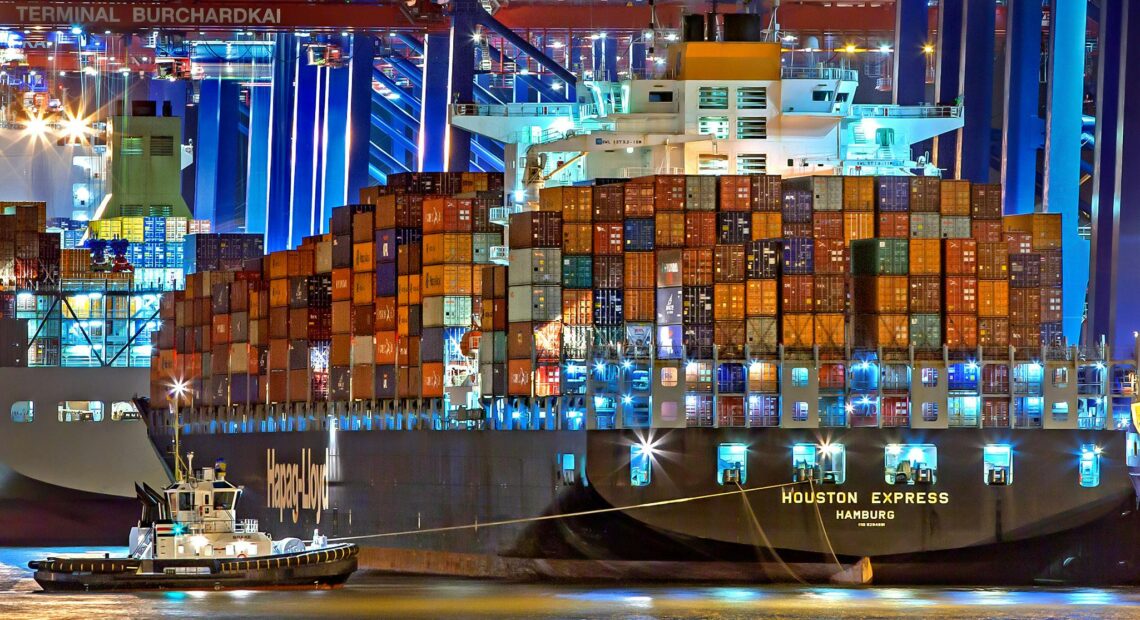
Image: The proposed FTA aims to lower trade barriers, eliminate tariffs, and enhance market access for goods and services. Credit: Julius Silver