UAE’s systematic economic diversification and forward-thinking strategy to position digital transformation as the foundation for a positive momentum in the national economy has made it one of the most prosperous economies in the world. Admired for its wealth of well-planned modern infrastructure, strong diplomacy, and ambitious leadership, the UAE’s role in global forums has transcended beyond trade and investment, bringing sustainability, advanced tech infrastructure, and balanced international relations to the equation.
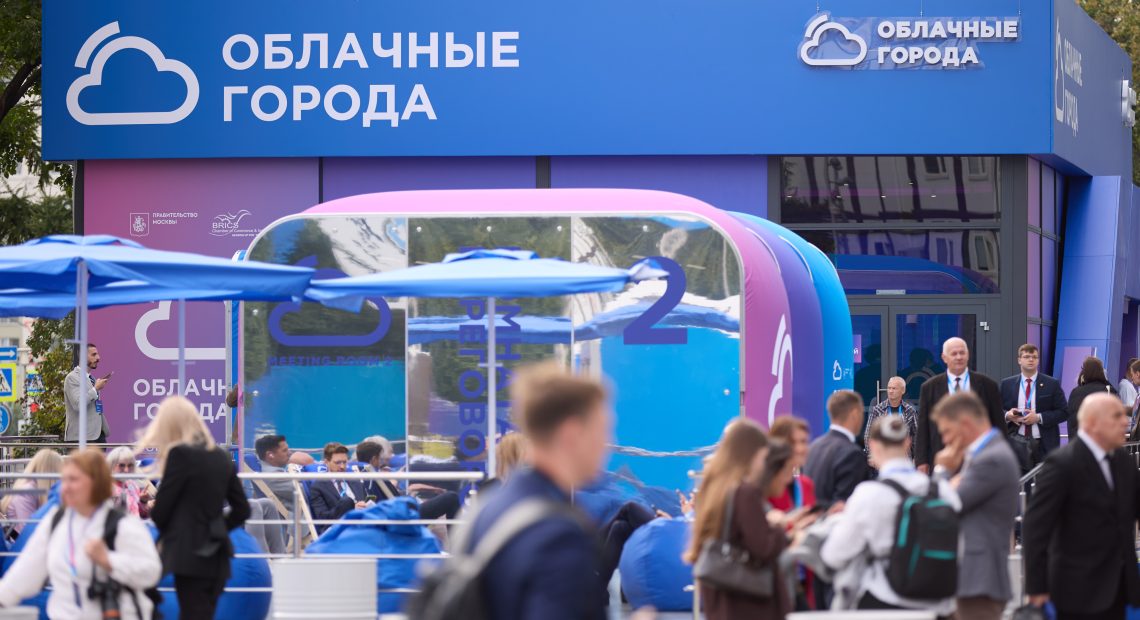
At the recently concluded BRICS summit in Moscow, the UAE engaged with contributing nations to elaborate its role as a global leader in urban innovation. Ever since its national strategy to reduce dependency on oil reserves, the country has made significant strides in pushing artificial intelligence, technology, and renewable energy, paving the way for a modern economic powerhouse. UAE’s rise in AI and digital infrastructure has proved to be a substantial economic force, transforming it into the wealthiest BRICS nation per capita at approximately $81,676 according to the International Monetary Fund. Here’s why the UAE’s role will continue to matter and evolve at BRICS.
A Global Leader in Urban Innovation
By leveraging advanced technology, particularly in AI and robotics, the UAE’s smart city initiatives are attracting intrigue. The deployment of IoT sensors to monitor everything from traffic, energy use, water resource management, to public safety in real-time has consistently enhanced efficiency, sustainability, and quality of life. Some impressive AI-integrated undertakings include:-
Dubai Live, positioned as the cornerstone of Dubai Municipality’s digital transformation, is a unified interface that oversees a vast range of functions. The platform serves as an urban planning blueprint, providing users with access to real-time data across infrastructure planning and development, licensing, and mobility systems, thereby supporting Dubai’s transformation into the world’s most connected, efficient, and sustainable city. Through the integration of AI, automation, and IoT, Dubai is setting new benchmarks for urban management with digital-first services.
Masdar City was probably where it all began, as it represents the UAE’s first attempt to build a sustainable city. The city aims to reduce water usage, energy consumption, and waste generation. With the International Renewable Energy Agency, headquartered in Masdar City, supporting the transition to a sustainable energy future, low-carbon urban development efforts have been successfully fueled by AI-integrated renewable energy systems and smart sensors to monitor energy consumption.
Abu Dhabi is set to become the world’s first fully AI-native government across all digital services by 2027. Fostering innovation and tech-adoption, the emirate aims to establish a robust digital infrastructure, creating a flexible and scalable foundation to achieve 100% adoption of sovereign cloud computing for government operations and digitizing and automating 100% of processes.
Additionally, projects like the Zayed Smart City, Sustainable City, and Abu Dhabi AI Hub glorify the country’s experience with mega infrastructures and smart cities powered by AI, robotics, and advanced technologies. Not to forget the National Strategy for AI 2031 that outlines plans to integrate AI in key sectors, including healthcare, transportation, and education.
The UAE is redefining standards of urbanization with the use of world-class technology and is set to share values and aspirations for progress, fostering greater cooperation and synergy globally. A winning combination of a strong economy, confident diplomatic skills, and global partnerships complements the UAE’s position as a key player in the next era of international cooperation, including BRICS.