Potential for infection risks
The urge to kiss a deceased loved one before burial or cremation can be very strong. However, health experts advise the public to avoid kissing the bodies of deceased individuals, warning that the practice can pose significant health risks.
While touching or kissing the deceased is common in many cultures, including those in the Middle East and the Indian Subcontinent region, infectious disease specialists say the tradition carries potential dangers, especially when the cause of death involves a contagious illness.
The World Health Organization has long urged caution around deceased persons who have died from diseases such as tuberculosis, hepatitis, Covid-19, meningitis, and certain haemorrhagic fevers. Bodies may still carry pathogens on the skin, in bodily fluids, or within the respiratory tract after death, depending on the nature and duration of the illness.
In the UAE, where family members often gather closely after a death, doctors stress the need for awareness, particularly when deaths occur in hospital settings or during disease outbreaks. A specialist in infectious diseases at a US-based medical centre explained that viruses and bacteria can survive on the body for a limited time after death.
He added that “kissing or touching the face, eyes, or mouth of the deceased, especially before thorough sanitisation or preparation by medical staff, can expose mourners to avoidable risks.”
Islamic tradition places importance on showing respect to the dead, which can include washing and preparing the body. Scholars and clerics, however, have increasingly issued guidance aligned with medical advice, especially following recent global health emergencies.
Many now advise avoiding close contact until the body has been properly cleansed and shrouded, a process carried out by trained personnel under hygienic conditions.
During the Covid-19 pandemic, public health authorities across the Gulf region, imposed strict protocols around handling the dead. These measures included banning physical contact with the body, which helped raise public awareness of the risks of post-mortem infection.
Public health professionals argue that while emotional expressions of grief are essential, physical safety must come first. They urge families to prioritise rituals that maintain religious respect while preventing the transmission of disease.
In Africa and parts of the Middle East, past outbreaks of Ebola and Marburg viruses further highlighted the dangers. Both diseases can remain highly infectious after death, prompting governments to deploy emergency response teams to handle bodies safely.
Experts say that modern mortuary services, when followed correctly, significantly reduce the risk of infection. Nonetheless, families are encouraged to wear gloves and avoid direct contact if they choose to participate in body preparation.
While the emotional impulse to kiss a loved one farewell is deeply human, doctors insist that informed caution is vital. Respecting both cultural values and medical advice, they say, can help protect the living while honouring the dead.
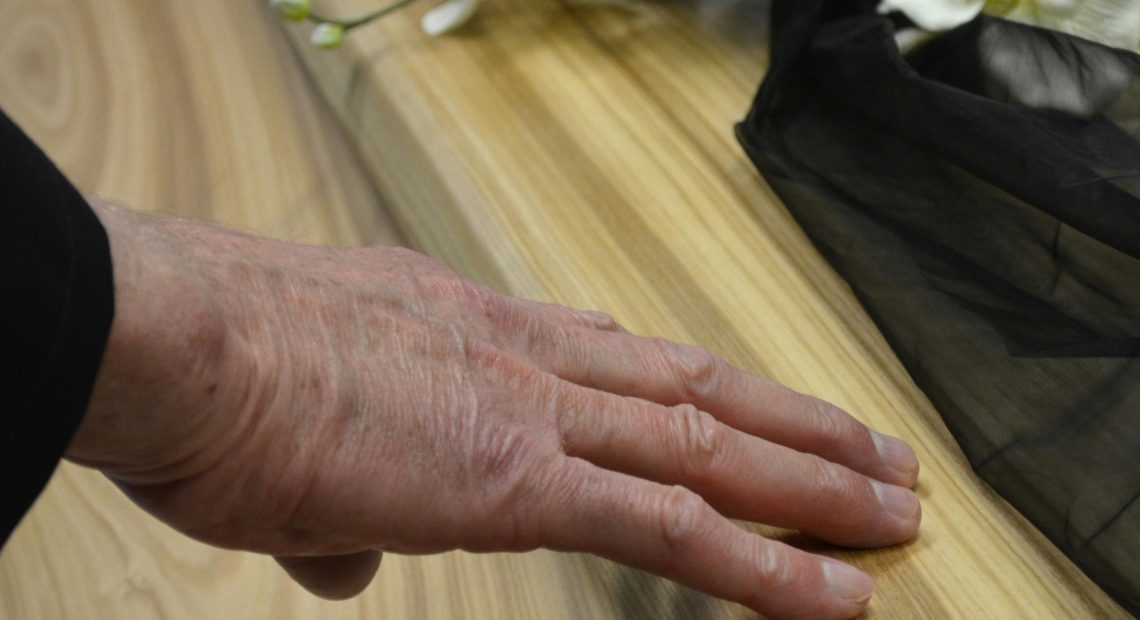
Image: Experts say that modern mortuary services, when followed correctly, significantly reduce the risk of infection. Credit: Mario Wallner