As a launchpad for regional expansion
Dubai’s location at the intersection of Asia, Africa and Europe gives it a unique advantage as a business hub. It offers direct air links to major cities in all three regions, positioning it as a central access point for trade and commerce.
For companies looking to expand into emerging markets, such as East Africa, the Levant, or Central Asia, Dubai offers logistical and geographic efficiency that few cities can match.
The emirate’s modern infrastructure supports this connectivity. Dubai International Airport and Jebel Ali Port are among the busiest in the world, handling millions of passengers and tonnes of cargo annually. This makes it easier for firms to move goods and personnel in and out of the city with minimal delay.
1 Business-friendly regulatory environment
Dubai continues to reform its legal and economic systems to attract investment. In recent years, the UAE has eliminated the requirement for foreign investors to have a local partner in many sectors. The country has also modernised its commercial companies law, allowing 100% foreign ownership of onshore businesses in most areas. This has made setting up operations in Dubai more attractive for international firms.
Free zones across the city further enhance Dubai’s appeal. These zones offer benefits including full foreign ownership, no import or export duties, and simplified customs procedures. Notable zones, such as the Dubai International Financial Centre (DIFC), Dubai Silicon Oasis, and the Dubai Multi Commodities Centre (DMCC), cater to specific sectors and offer specialised services to businesses within them.
The process of establishing a business has also become more efficient. Government portals and smart platforms have reduced bureaucracy, with several approvals and applications now digitised. According to the UAE Ministry of Economy, setting up a business in Dubai involves only a few steps and can be completed relatively quickly.
2 Tax advantages and investor incentives
Dubai has long been recognised for its favourable tax environment. Although the UAE introduced a federal corporate tax in 2023, qualifying free zone companies still benefit from 0% tax rates. There is no personal income tax, withholding tax, or capital gains tax on individuals.
The UAE also offers residency options for investors, entrepreneurs and skilled professionals. These include long-term visas and, in some cases, potential pathways to Emirati citizenship. The goal is to attract and retain global talent while offering stability and opportunities to investors seeking a long-term presence in the region.
3 Access to regional markets
For companies aiming to expand in the Gulf Cooperation Council (GCC), Dubai serves as a practical base. The emirate’s strong trade ties with Saudi Arabia, Oman and other neighbours give it a vital role in cross-border commerce. Many multinational companies use Dubai as a headquarters to serve the broader Middle East and Africa (MEA) region.
Recent growth in regional data centres and digital infrastructure is also boosting demand. A report on the MEA data centre market indicates that investment is expected to grow significantly by 2030, driven by the adoption of cloud services and digital transformation efforts across Africa and the Gulf.
Dubai’s diverse economy, including strong sectors in finance, logistics, technology and tourism, provides companies with multiple avenues for growth. Its stability and openness to innovation make it a consistent choice for businesses planning regional expansion.
4 Talent, quality of life and support systems
Dubai is home to a highly skilled, multicultural workforce. Its universities, training centres and professional hubs help develop and attract talent from across the globe. English is widely used in business, making operations more accessible to international investors.
The government has launched several initiatives to support startups and small businesses. Programmes like Dubai Startup Hub and the Mohammed bin Rashid Innovation Fund offer funding and mentorship. These efforts are part of a broader initiative to build a knowledge economy centred on innovation and entrepreneurship.
Living in Dubai is also a draw. The city offers high standards of safety, healthcare, and education, along with a wide range of residential and lifestyle options. For business leaders relocating to the region, the quality of life is often a key factor in their decision.
Workers in the UAE also enjoy legal protections, including regulated work hours, medical coverage and contractual clarity. The Ministry of Human Resources and Emiratisation outlines these rights and has improved systems to resolve labour disputes and ensure fair treatment of employees.
5 A stable and resilient economy
Despite global challenges, Dubai’s economy remains resilient. The emirate has recovered strongly from the impact of the Covid-19 pandemic, with growth in tourism, finance and real estate driving economic performance. Government policy continues to focus on diversification, reducing reliance on oil and investing in sectors that support long-term development.
Investor confidence in Dubai remains strong, backed by a transparent legal framework, competitive costs and consistent reforms. For companies seeking long-term expansion in the region, Dubai offers a stable and forward-looking base.
As the Middle East continues to integrate further into global markets, Dubai’s position as a bridge between East and West makes it a compelling destination for companies of all sizes. With competitive advantages in regulation, connectivity and quality of life, the emirate is well-positioned to remain a top choice for business setup.
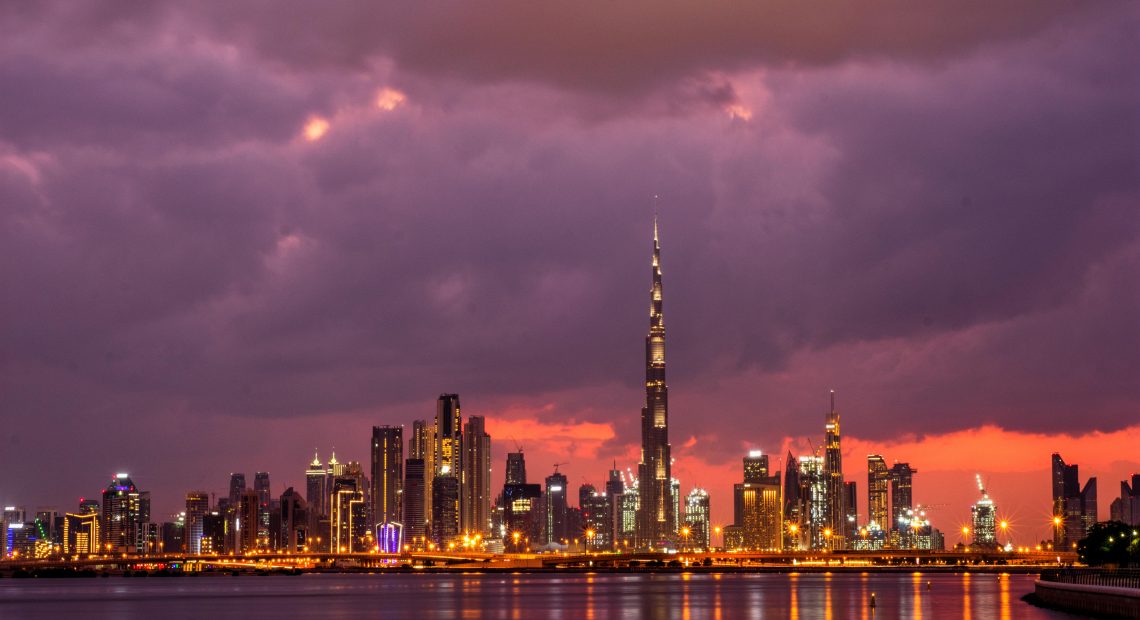
Image: Dubai offers high standards of safety, healthcare, and education, along with a wide range of residential and lifestyle options. Credit: Abbas Mohammed