Record 769 arrests made
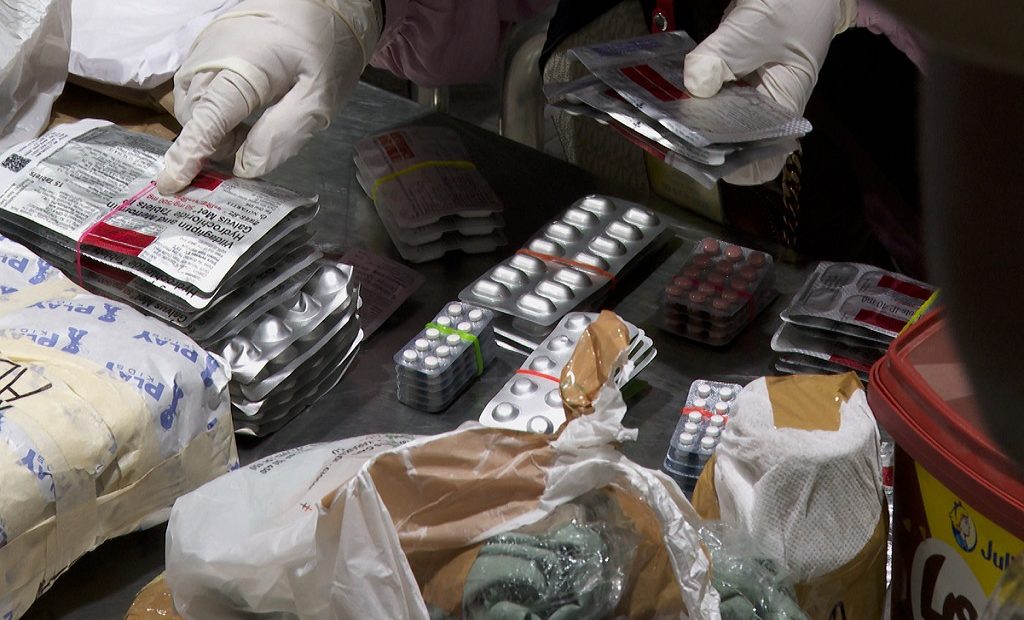
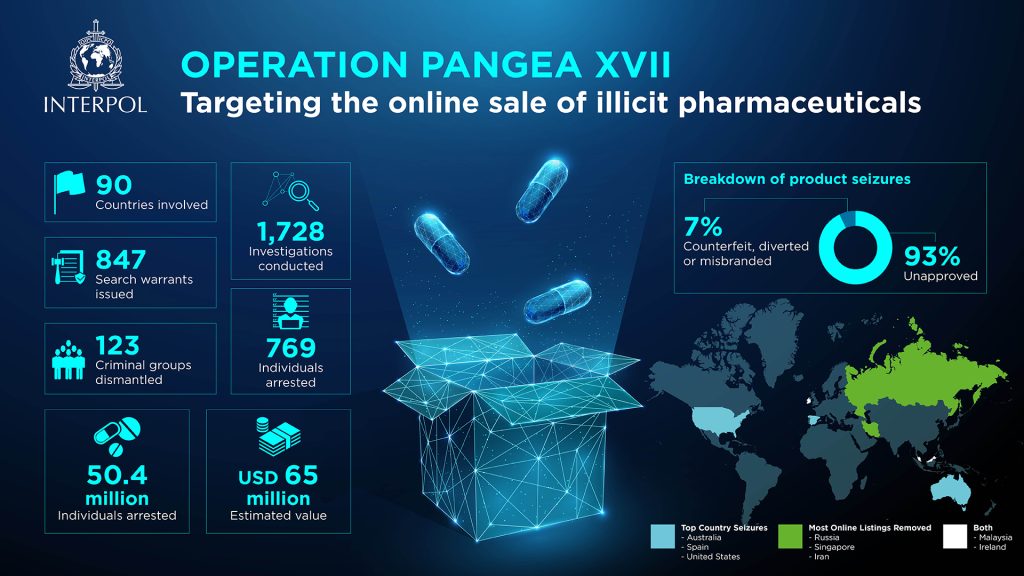
Authorities in 90 countries have seized over 50 million doses of illicit pharmaceuticals valued at $65 million in a major global operation targeting counterfeit and unapproved medicines.
The six-month crackdown, coordinated by Interpol under Operation Pangea XVII, led to the arrest of 769 individuals and the dismantling of 123 organised crime groups.
The 17th edition of the annual operation, which ran from December 2024 to May 2025, recorded the highest seizure and arrest totals in the initiative’s history.
The scale of illicit pharmaceutical activity uncovered has raised renewed concerns among international health and security agencies about the dangers posed by unsafe medical products.
Several international partners, including Europol, the World Health Organization, the United Nations Office on Drugs and Crime, and customs and postal organisations supported the operation.
According to Interpol, most of the seized pharmaceuticals lacked regulatory approval and contained substances that may be substandard, falsified, or mislabelled.
Psychostimulants and medications used to treat anxiety and Parkinson’s disease were the most commonly confiscated items. Erectile dysfunction medications ranked second, followed by anabolic steroids, anti-diabetic drugs, herbal supplements, and dermatological agents.
1,700 investigations
In total, authorities in 90 countries launched over 1,700 investigations and executed nearly 850 search warrants.
Australia reported the largest volume of seizures, including 5.2 million units of unauthorised therapeutics. The majority included modafinil and armodafinil, drugs often used to promote wakefulness and enhance cognitive performance.
In a statement, Professor Tony Lawler, head of Australia’s Therapeutic Goods Administration, said the seizures disrupted the supply of dangerous substances and prevented profits from reaching illegal networks. He added that assessments of over 9,500 intercepted imports showed many were substandard or falsified.
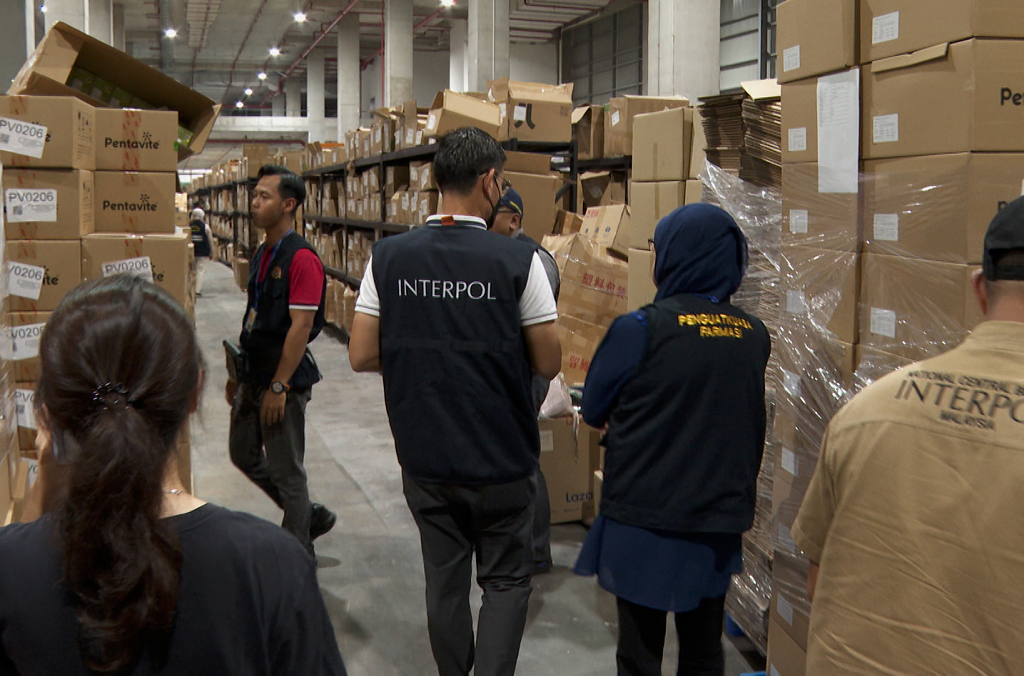
Law enforcement agencies in Canada, Ireland, Malaysia, Portugal, Spain, Sweden, the United Kingdom, and the United States also reported the seizure of significant quantities of counterfeit pharmaceuticals.
In Africa, Burkina Faso authorities discovered 816,000 tablets hidden in vehicles, mostly analgesics and anti-inflammatory drugs. In Mexico, over 47,000 tablets of sedatives were intercepted at a Tijuana courier facility. In Portugal, officials uncovered anabolic steroids smuggled into eight prisons, revealing the infiltration of contraband medicines into correctional systems.
Growing misuse
The Interpol operation has highlighted the growing misuse of medical drugs for non-medical purposes. Investigators noted a sharp increase in the circulation of anti-diabetic medications, particularly semaglutide, which is used off-label for weight loss.
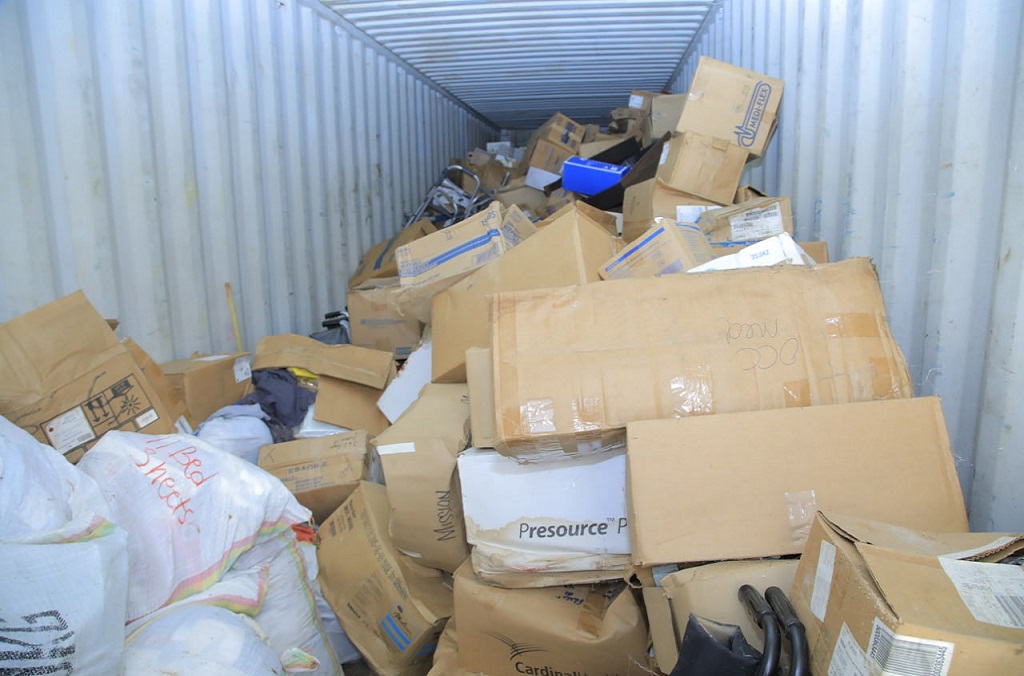
Authorities across the Asia-Pacific, Europe, and North America intercepted large quantities of these substances as part of the operation. A single pen of semaglutide can sell for several hundred dollars on black markets, driven by online promotion and demand for fast-acting weight control solutions.
The WHO and national health bodies have previously issued warnings about the risks posed by unregulated versions of GLP-1 agonist drugs like semaglutide. The use of these injectable medications without medical oversight can result in serious health complications.
Key trend
Another key trend identified during the operation was the rising demand for peptide-based supplements. Products such as BPC-157, ipamorelin and melanotan are being marketed for cosmetic and muscle-enhancing effects, particularly in wealthier markets. These peptides are not approved for human use in most jurisdictions due to limited safety data and insufficient clinical trials.
The popularity of these substances, often advertised through social media and unregulated online vendors, is creating a profitable avenue for criminal groups. Seizures of peptide supplements were previously rare but have increased significantly during this year’s operation.
Digital platforms
Digital platforms remain a major distribution channel for counterfeit drugs. Interpol stated that around 13,000 websites, social media pages, bots, and channels linked to illegal pharmaceutical sales were taken down during the operation. Malaysia removed the highest number of listings, followed by Russia, Ireland, Singapore and Iran. Together, these five countries were responsible for 96% of the global online removals.
In the Middle East, Iran’s involvement in online content removals highlights the region’s participation in efforts to counter pharmaceutical crime. While no specific seizures were reported in Gulf countries, regional health officials have previously warned about the risks posed by counterfeit medicines, especially as online pharmaceutical demand grows across the GCC.
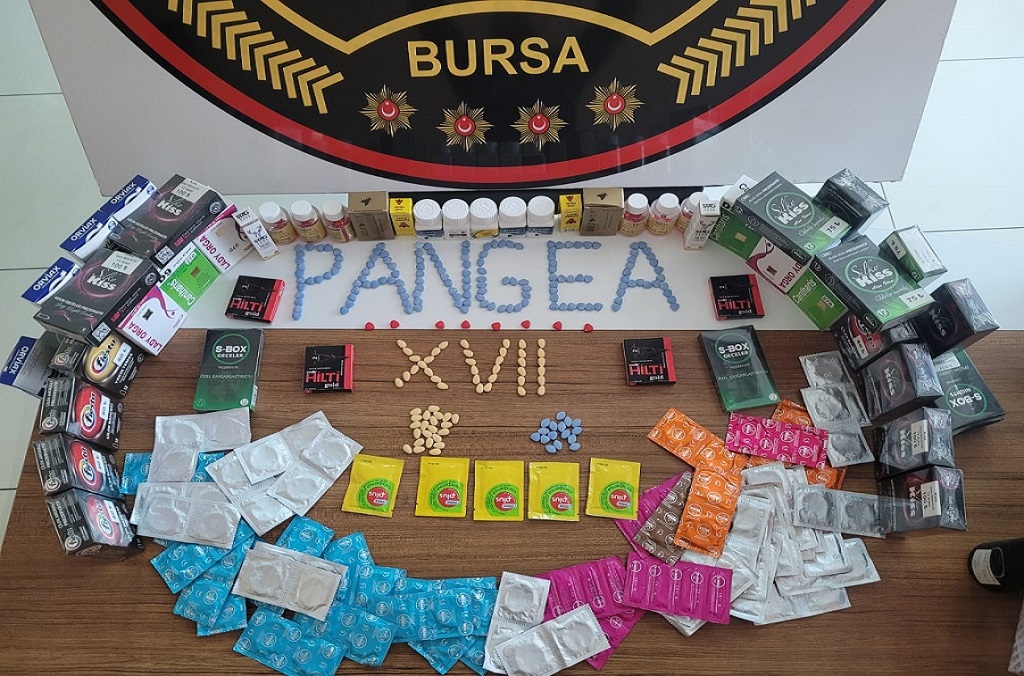
Operation Pangea XVII marks a departure from previous editions by extending enforcement action over six months instead of the traditional one-week timeframe. Interpol stated that the longer duration allowed for a more sustained disruption of criminal networks operating across borders.
Health authorities have stressed the importance of purchasing medicines through authorised channels and consulting medical professionals before using any drug, especially those with weight-loss or aesthetic claims.
Regulatory bodies in the Middle East continue to monitor online platforms for unauthorised pharmaceutical activity and have called for regional cooperation to combat the spread of fake medications.
Authorities say investigations into the networks identified during Operation Pangea XVII remain ongoing, with further arrests and seizures expected in the coming months.
Operation Pangea XVII countries:
Argentina, Armenia, Australia, Austria, Azerbaijan, Bahrain, Belarus, Benin, Bolivia, Bosnia and Herzegovina, Botswana, Brazil, Brunei, Bulgaria, Burkina Faso, Cambodia, Cameroon, Canada, Chile, China, Colombia, Comoros, Congo, Costa Rica, Curacao, Cyprus, Czech Rep., Democratic Rep. of Congo, Denmark, Dominican Rep., Ecuador, Ethiopia, Finland, France, Gabon, Georgia, Greece, Guyana, Hong Kong (China), India, Indonesia, Iran, Iraq, Ireland, Jamaica, Kuwait, Laos, Latvia, Lebanon, Madagascar, Malaysia, Maldives, Mexico, Morocco, Mozambique, Myanmar, Netherlands, New Zealand, Northern Ireland (United Kingdom), Niger, Nigeria, Norway, Pakistan, Palestine, Paraguay, Peru, Philippines, Poland, Portugal, Qatar, Rep San Marino, Romania, Russia, Rwanda, Senegal, Serbia, South Africa, Singapore, Slovakia, Spain, Sri Lanka, St Lucia, Sweden, Thailand, Togo, Turkey, Ukraine, United Kingdom, United States of America, Uruguay, Venezuela and Zimbabwe.
Hero image: Illicit pharmaceuticals seized in Malaysia as part of Operation Pangea XVII. Credit: CAN/Interpol