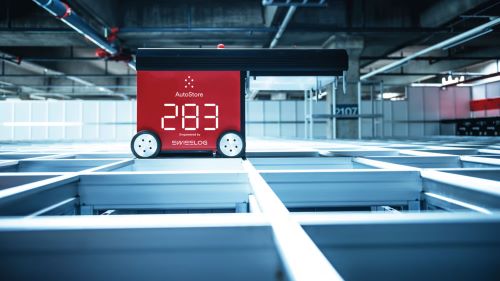
A new global report from AutoStore, analyzed by Swisslog, reveals that 93% of supply chain leaders rate improving throughput as a top warehouse priority in 2025, with nearly all surveyed (97%) having implemented some form of automation to date. With the Middle East logistics market set to double this year since 2020, the findings underscore the growing urgency for businesses to optimize automation and software capabilities to unlock higher performance and faster returns on investment.
The State of Warehouse Management and Fulfillment 2025 report surveyed over 300 global executives with supply chain responsibility, benchmarking automation trends, and identifying key operational priorities. Swisslog, a leading AutoStore integrator, examined the findings with a focus on how advanced warehouse execution and automation control software, such as Swisslog’s SynQ platform, can drive meaningful improvements in the metrics that matter most to regional businesses.
Key highlights from the report include:
- Throughput performance surges in priority: Improving throughput rose from the 8th highest priority in 2024 to 4th in 2025, with 93% of respondents citing it as “very” or “extremely important.”
- Near-universal adoption of automation: 97% of warehouses have already implemented some form of automation, yet nearly half (48%) report being less than 50% automated, highlighting significant room for growth.
- Software-driven optimization: Advanced automation control software can unlock up to 20% increases in bin retrieval speeds by optimizing bin selection and order batching.
- Integration is critical: As automation levels expand, seamless software integration across multiple systems becomes vital to prevent operational complexity and ensure data-driven performance improvements.
The report also highlights how flexibility in automation software enables businesses to adapt to evolving customer demands, streamline omnichannel fulfillment, and maximize both throughput and storage density.
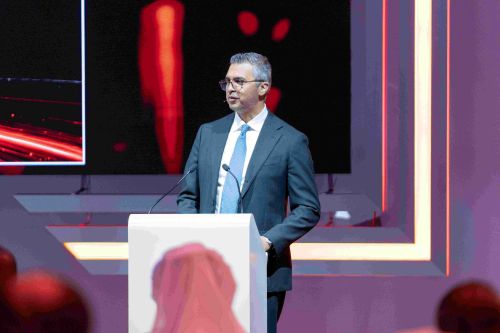
Commenting on the findings, Rami Younes, General Manager at Swisslog Middle East, said, “This year’s report makes it clear: automation alone is no longer enough. Businesses that want to stay competitive must also focus on software that enhances performance and integrates seamlessly across technologies. In the Middle East, where we’re seeing fast growth in omnichannel retail and an e-commerce sector projected to reach US$50 billion by 2025, the pressure to improve throughput, maximize density, optimize order fulfilment and adapt to demand spikes is mounting. Software is the key enabler of these capabilities.”
The report also warns of the risks of fragmented automation systems, which can lead to inefficiencies and limit the value of operational data. Swisslog’s SynQ platform addresses this by providing a single, unified software solution to manage and optimize automation assets.
The full State of Warehouse Management and Fulfillment 2025 report is available to download here.