Leading global thinkers including a Nobel laureate and an Academy Award winner spoke at the international Moscow Startup Summit, held on October 1–2 in Moscow.
The summit on technological entrepreneurship brought together over 150 Russian and international experts, around 100 startups, and more than 5,000 participants from 40 countries. Over two days, the program featured more than 60 sessions and panel discussions on artificial intelligence, sustainable development, tech entrepreneurship, and new education models. Participants discussed the key challenges facing the global economy and strategies for adapting to a rapidly changing technological landscape.
Two paths for the future of AI
The 2024 Nobel Prize laureate in Economics, Professor Daron Acemoglu, presented two possible scenarios for the development of artificial intelligence.
“If we keep focusing solely on automation, then yes — we may end up where horses did, figuratively speaking. But we can also use AI to expand and enhance the work of electricians, doctors, nurses, engineers, and office professionals. The future of AI is not yet written. It’s up to us to decide whether it will complement human intelligence or replace it,” the professor said.
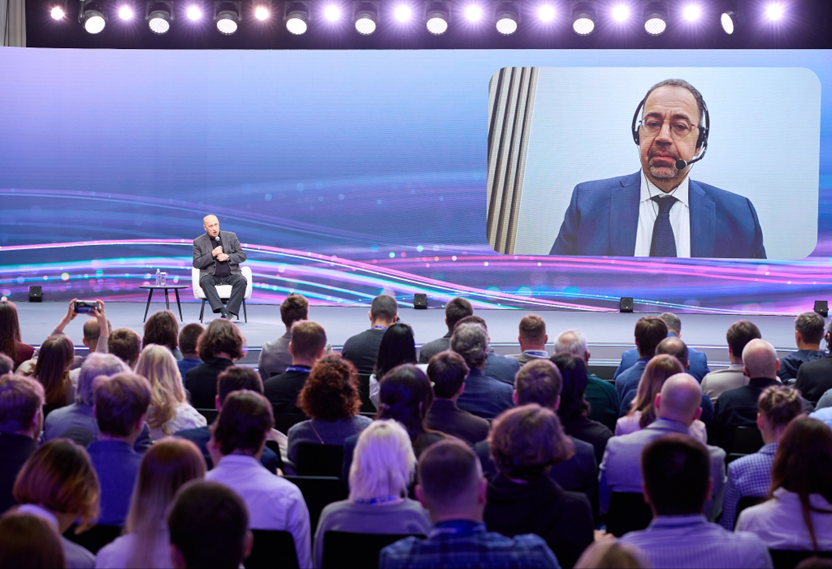
He emphasized that for a positive scenario to unfold, human intelligence itself must evolve. “It’s not only AI that should move toward us — we must also move toward AI,” he said, stressing the need for new skills such as flexibility, AI literacy, and critical thinking. According to Acemoglu, current education systems worldwide are not preparing people for work in a turbulent environment where technology changes constantly.
Oliver Stone on AI in film and the creative process
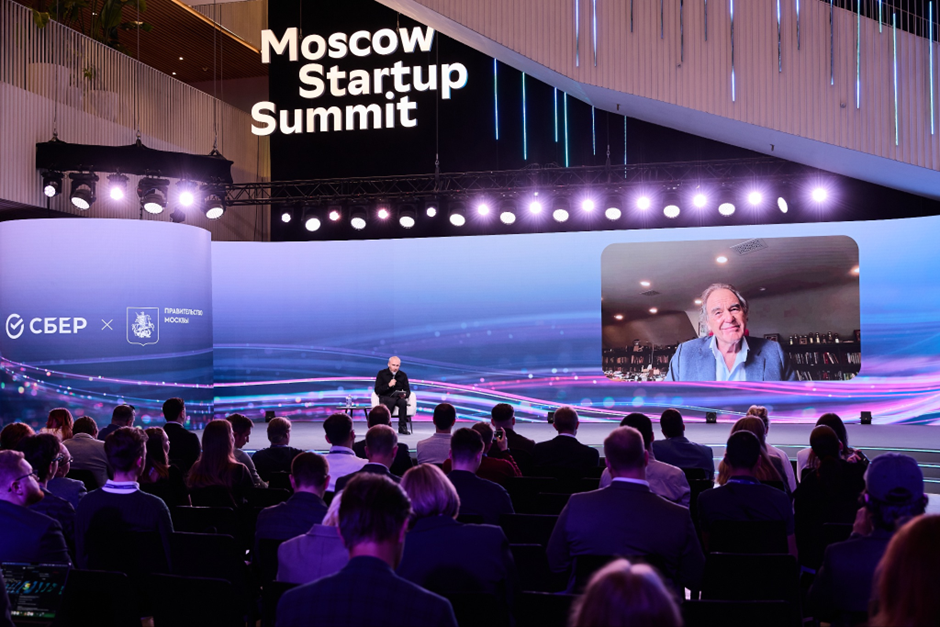
Three-time Oscar winner Oliver Stone shared his view on modern creative industries, technology, and business.
“I’ve been using AI in filmmaking for several years — it works, and we use it sometimes. But the quality isn’t yet high enough to make a full-length feature. It’s not ready yet, though it might be in a few years.. As for the long-term effects of mass AI use — it’s too early to say. But I believe it’s a promising direction,” Stone noted.
A new approach to lifelong learning
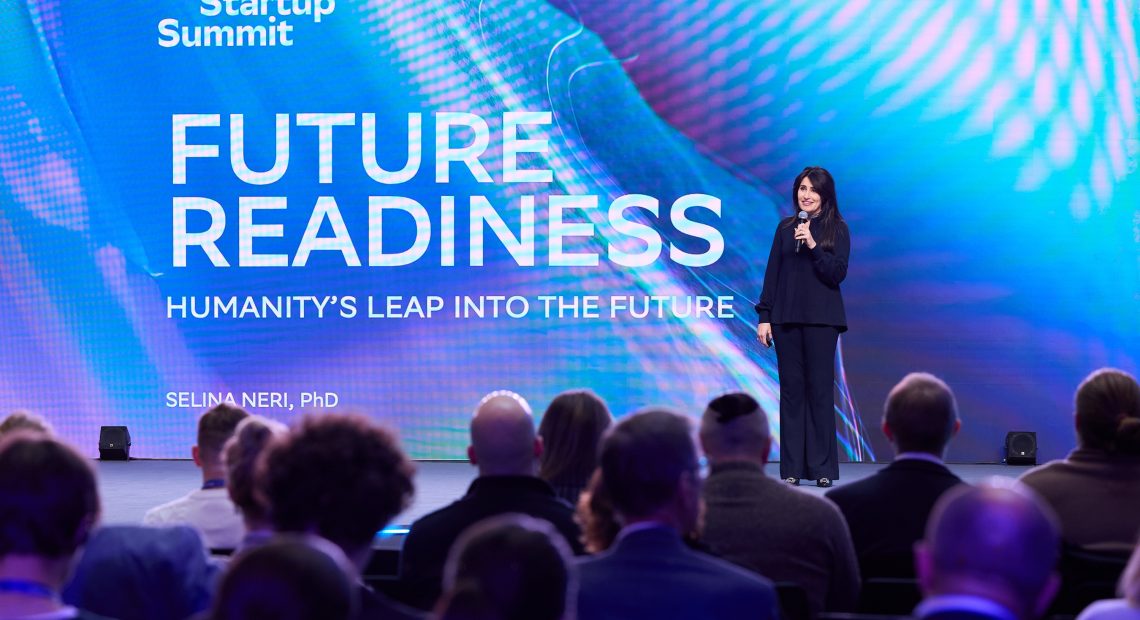
Selina Neri, CEO and Dean of the Institute for Future Readiness (UAE), presented a new approach to developing future-ready skills. She argued that the modern world requires a fundamental shift in how people view education and careers.
“In the 21st century, an illiterate person isn’t someone who can’t read or write — it’s someone who can’t learn, unlearn, and relearn,” Neri said.
She suggested moving away from the traditional linear model of “education–work–retirement” toward a cyclical model of lifelong learning and reinvention.
“We’ll live longer, healthier lives — and that will change the way we work. Many of us will still be active at 60, 70, or 80. The idea of retiring at a certain age will evolve. Longevity will reshape both education and the future of work. There’s even a term for this — neoteny — the ability to retain child-like flexibility and adaptability into adulthood,” she explained.