
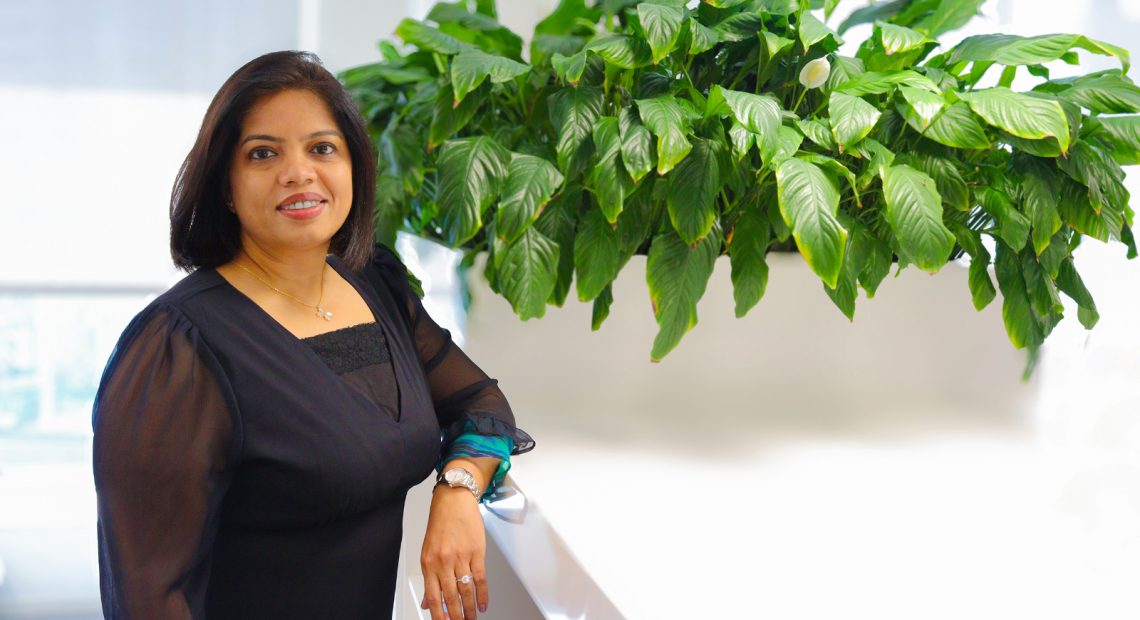
By Shilpa Chitanand, Head of Retail Distribution, Zurich International Life Ltd.
As the UAE’s families and professionals navigate inflation, digital disruption, and shifting financial priorities, the old debate of saving versus investing is taking on a new dimension. Knowing when to hold money in savings and when to pursue growth through investments has become more critical than ever.
The choice is less about one winning over the other and more about finding the right mix. Savings and investments serve different but equally important purposes, and the key to building long-term prosperity lies in understanding how risk, return, and liquidity align with personal goals.
Rethinking Risk, Return, and Liquidity in the UAE
The traditional framework of “risk, return, and liquidity” in the UAE context takes on sharper edges. Inflationary pressures, low bank deposit yields, and shifting demographics are forcing individuals to rethink how they allocate their money. For example, UAE savings accounts have historically offered interest rates well below inflation, meaning that what feels “safe” is actually guaranteeing a loss in purchasing power. Liquidity, in this sense, is not free; it comes at the cost of erosion.
On the other side, investments in equities and funds offer more substantial long-term returns. Still, regional volatility intensifies as households heavily depend on cyclical industries such as energy, construction, and real estate. A global market downturn often hits UAE residents harder because their employment and investments can be correlated. Such factors make diversification across asset classes and even geographies a practical survival strategy for long-term wealth creation.
The most under-explored dimension is how financial innovation redefines liquidity. Digital platforms, robo-advisors, and certain life insurance-linked products now offer investors more flexible access to funds than they did in the past. The binary idea that investments must “lock up” capital for decades is no longer entirely accurate. Products in the UAE are evolving to provide a blend of growth potential with partial liquidity, bridging what used to be a stark divide.
UAE savers and investors are not just balancing three abstract levers. They are negotiating between erosion, volatility, and flexibility, a trade-off that will increasingly define financial behaviour in the decade ahead.
Financial Priorities Evolve with Life Stages
In the UAE, more young professionals and families are rethinking their financial priorities. Early in one’s career, savings provide stability and peace of mind, while modest investments lay the groundwork for future growth. As careers advance and families expand, goals evolve, such as buying a home, funding children’s education, or planning for retirement. Here, investments begin to play a larger role, offering long-term growth to meet larger, future-oriented financial needs.
As one approaches retirement, the focus often shifts back to capital preservation and liquidity. At this stage, individuals may prefer safer investment vehicles or guaranteed-return products, ensuring financial security while maintaining access to funds.
Debunking Common Misconceptions
Two widespread myths often hold people back from building balanced financial strategies.
- “Investing is only for the wealthy.” In reality, investing is accessible to nearly everyone today. With systematic investment plans (SIPs), exchange-traded funds (ETFs), and other entry-level products, individuals can start small and gradually build wealth.
- “Saving alone is always safe.” While savings accounts protect capital, they rarely beat inflation. Over time, relying only on savings can erode purchasing power, leaving individuals less prepared for future needs.
Recognising these misconceptions is the first step toward more inclusive, more intelligent financial planning.
Turning Life Insurance into Security and Wealth
When discussing savings and investments, many overlook life insurance as a strategic tool. Beyond offering essential protection for families, modern life insurance solutions can integrate savings and investment elements.
For example, specific plans allow policyholders to accumulate cash value or access investment-linked options, blending financial security with long-term wealth creation. This dual benefit makes life insurance a valuable component of a diversified financial plan, especially in the UAE, where families often prioritise both protection and growth.
Building Discipline for Long-Term Prosperity
Ultimately, striking the right balance between saving and investing comes down to discipline and planning. A few practical steps can help:
- Set clear goals: Define short-term, medium-term, and long-term objectives, such as building an emergency fund, buying a property, or planning for retirement.
- Follow the 50/30/20 rule: Allocate 50% of income to needs, 30% to wants, and 20% to savings and investments, adjusting as life circumstances change.
- Automate contributions: Set up automatic transfers to savings and investment accounts to build consistency.
- Review regularly: Revisit your financial plan annually to ensure it reflects current priorities, family needs, and market conditions.
The Bottom Line
There is no one-size-fits-all formula for deciding how much to save versus invest. The right mix depends on factors such as age, career stage, family responsibilities, and personal goals. What remains constant, however, is the need to adapt, stay informed, and maintain discipline.
By blending short-term financial security with long-term growth strategies and leveraging tools like life insurance, individuals and families in the UAE can build financial resilience and prosperity that lasts a lifetime.