
Photo Credit : WAM
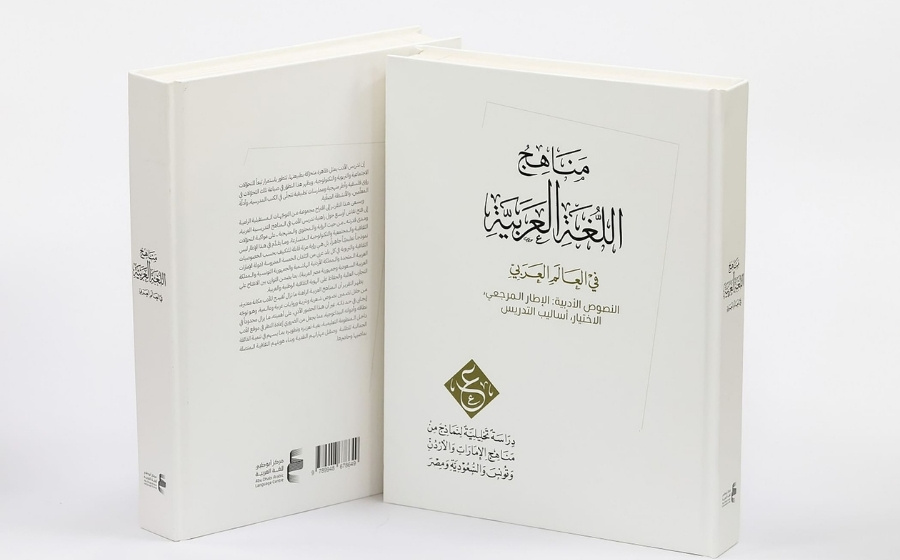
The Abu Dhabi Arabic Language Centre (ALC) has released the second report under its Arabic Language Curricula Study Project, focusing on the selection and teaching of literary texts across the Arab world.
Titled Literary Texts: Reference Framework, Selection, and Teaching Methods, the report supports the Centre’s efforts to improve Arabic language curricula and strengthen literature education.
The study follows the project’s first report, published in 2023, which examined the current state and future of Arabic language curricula in the UAE, Saudi Arabia, Jordan, Tunisia and Egypt.
Spanning 470 pages, the new report provides a descriptive and analytical review of how literature is taught within Arabic language curricula in the same five countries. It is accompanied by an executive summary outlining its main findings and recommendations.
Dr. Ali bin Tamim, Chairman of ALC, said literature is a central pillar of cultural and creative industries, adding that effective curricula require a clear understanding of the practices and experiences that shape educational policies and outcomes.
He noted that the report provides a scientific reference for decision-makers and educational institutions seeking to develop curricula based on international best practices while protecting the authenticity and status of the Arabic language.
According to Dr. bin Tamim, stronger literature education can help build cultural awareness, reinforce national identity, promote civilisational dialogue and encourage future generations to innovate and create.
The report is structured around three key questions: why literature should be taught, how it should be taught and which literary works should be included in the curriculum.
It proposes a reference framework for teaching literary texts and highlights literature’s role in expanding knowledge, developing critical thinking and strengthening students’ aesthetic appreciation.
The study also evaluates the criteria used to select texts and literary genres, how they are organised within curricula, and the critical and educational approaches applied in classrooms. Each chapter includes practical recommendations for curriculum developers and education policymakers.
To draw on international experience, the report reviews literature teaching practices in Greece, the United States and China. These case studies are used to identify approaches that could be adapted to suit the Arab educational context.
The findings highlight several challenges that prevent literature lessons from becoming engaging educational experiences combining knowledge, enjoyment and critical thinking.
The report recommends reforms based on the view that literature is a shared human experience that helps students understand themselves, other people and the wider world while developing human values and cultural awareness.
The initiative forms part of ALC’s wider efforts to provide reliable academic references for decision-makers, researchers and curriculum designers. It aims to support science-based education policies, enhance the position of the Arabic language and improve learning outcomes across the Arab world.