Introduction
Asma Hamza’s musical journey reflects the creativity, determination, and perseverance of one of the influential women connected with Arab music and the Gulf region. As a composer and musician, her work in music composition shows how talent and commitment can challenge social boundaries, especially in fields once strongly associated with men.
Her story, accomplishments, and life continue to inspire women, musicians, and artists. What stands out to me is how her career connects personal creativity with the wider culture, creating a lasting impact that gives readers a meaningful look at the role women can play in shaping music and artistic expression.
About Asma Hamza
| Category | Details |
| Name | Asma Hamza |
| Year of Birth | 1932 |
| Field | Music Composer and Oud Performer |
| Famous For | Being a Pioneer Among Female Composers |
| Notable Honor | Featured in a 2023 Google Doodle |
| Major Achievement | Winner of the Laylat Al-Qadr Al-Kubra Competition |
| Musical Legacy | A Lasting Inspiration for Women in Music |
Understanding Asma Hamza’s Musical Legacy
As a Sudanese oud player and composer, Asma Hamza began a remarkable musical journey in Sudan, becoming a pioneer among female composers in Arab music. Her compositions, music, and performance reflected her ability to work in fields traditionally dominated by men, while her growing recognition showed that a woman could break through the barriers surrounding music composition.
Across decades, her work helped change perceptions about women’s involvement in music and their role in the music business. Her influence reached beyond Sudan, offering a role model for female composers across the Arab World and showing how women could break into and contribute to dominated musical fields with lasting impact.
Childhood, Education and Early Years
Early Life and Family Background
Asma, born in 1932, grew up in a family environment where music played an important role during her childhood. Although women had limited opportunities to pursue a professional career, she developed an early interest in melody and dreamed of becoming a singer. Her circumstances eventually encouraged her to focus on instrumental performance and composition, allowing her passion for music to develop into a serious artistic path.
Learning Music Through Self-Teaching
Asma Hamza taught herself music and did not attend formal music schools. Instead, she relied on a great deal of observation, practice, and a deep understanding of melody to improve her skills. Her father supported her musical interest and recognized her talent, which became a major factor in her musical development. Through steady practice and careful observation, she built her abilities on her own and developed a strong connection with music despite having no formal training.
Discovering the Oud as a Musical Instrument
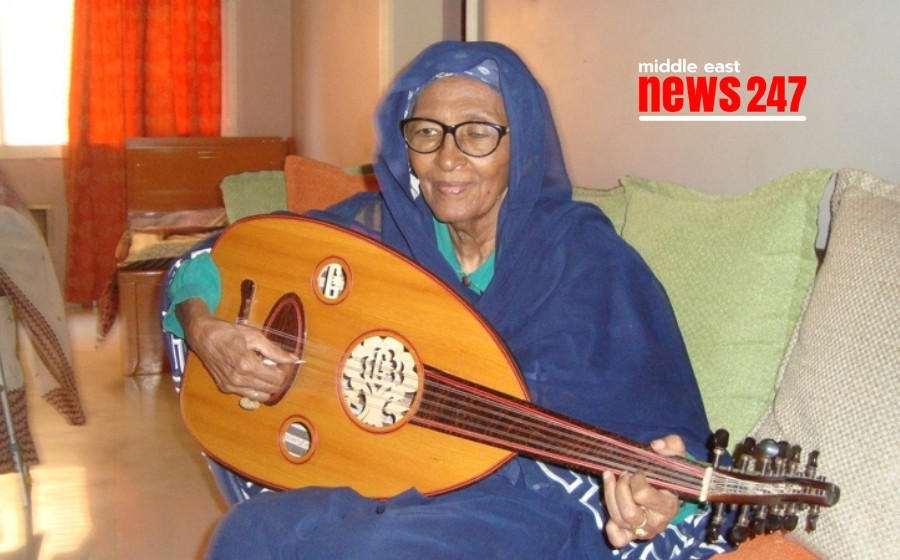
Asma Hamza’s artistic identity was centered on the oud, an instrument that became an important part of her music journey. Through extensive practice, she developed impressive skills as an oud player and built a meaningful career around her love for the instrument, showing how dedication and creativity can shape a musician’s path.
The Beginning of Asma Hamza’s Music Career
Passion and determination shaped Asma Hamza’s biography from an early stage, as she followed her artistic goals despite social restrictions that made music a rare field for women. In an environment where talented women were often discouraged from participating openly, many were forced to stay behind the scenes, but Asma continued developing her craft through composition and her early compositions.
Her journey became a testament to persistence, showing how dedication could challenge social limits and create opportunities for female composers. Her growing recognition eventually made her a renowned figure, inspiring another generation to believe that women could pursue their artistic ambitions and make their mark in music.
Asma Hamza: From Aspiring Musician to Cultural Icon
Asma Hamza’s career developed over many years through creative experimentation, dedication, and focused efforts toward improving her musical abilities. Her approach centered on creating original compositions while respecting traditional expectations and the work of singers and performers. As her interest in music grew, so did her reputation as a well-known composer, with her work praised for its emotional depth and artistic quality. Her strong connection to cultural traditions helped her music resonate with different generations, showing how years of dedication and thoughtful experimentation can turn personal musical interest into a lasting cultural presence.
A Major Turning Point in Her Career
In 1997, Asma Hamza gained important recognition after her work won the Laylat Al-Qadr Al-Kubra competition, a moment that increased her public awareness and helped establish her position within the wider musical community. This achievement became a clear turning point in her career, giving her greater recognition and strengthening her place as an influential female composer and oud player.
This prestigious event increased her recognition, strengthened her reputation, and introduced her music to a wider audience.
Her Unique Musical Style and Creative Vision
Her unique musical style played an important role in her influence, blending traditional elements with her own creative ideas.
Some of the main characteristics include:
- Strong melodic patterns
- Emotional storytelling through music
- Authentic cultural elements
- Skilled oud playing
- Creative musical arrangements
Her music has remained valued and appreciated long after its release.
Asma Hamza’s Major Achievements
Asma Hamza’s accomplishments extend beyond awards and public recognition.
Her most significant achievements include:
- Being among the first female composers born in Sudan
- Building a successful career in a male-dominated industry
- Inspiring future generations of musicians
- Google Doodle recognition and international acclaim
- Making a significant contribution to Arab musical heritage
Her achievements help explain why her legacy continues to be celebrated today.
A Musical Career Built Through Challenges
Asma Hamza built a professional journey in music when women had music opportunities that were restricted by social expectations. Her path was not easy, and the challenges and obstacles she faced required her to remain dedicated to improving her art. During difficult times, she continued to create and perform, using persistence to move forward and achieve her long-term goals. Her story shows how determination can turn a difficult path into a source of strength, helping others motivate themselves to face challenges and look toward a better future.
Her Influence Beyond Music
Beyond music, Asma Hamza’s leadership was reflected in her influence, ability to inspire others, and encourage the creative development of younger musicians. Her composition skills, dedication, and professionalism became a model for those who wanted to succeed despite limited formal positions for women in music. She showed through her own journey that success could come from achieving meaningful things through patience, practice, and commitment.
Her example continues to inspire musicians to develop their skills, stay dedicated, and positively influence others.
Empowering Women Through Art
Asma Hamza’s story shows how women’s empowerment through art can challenge traditional notions about women’s limitations in the field. Her achievements and determination opened up new possibilities that inspire many women to pursue artistic careers, making her legacy meaningful for future generations. Her journey remains relevant today because it emphasizes equality, representation, and the importance of women’s place in creative industries, proving that artistic and creative expression can shape generations.
Growing Public Recognition
In recent years, Asma Hamza’s public profile has grown significantly, especially after Google featured a Doodle in 2023, honoring her contribution to music. This brought heightened interest in her story, as millions of people who were previously unaware of her work discovered her artistic journey and achievements. The recognition also rekindled interest among audiences across the Gulf and Emirates, helping her legacy reach a wider generation and giving greater attention to her important place in music history.
Cultural Influence Across Generations
Asma Hamza’s influence extends beyond her lifetime, as her compositions continue to interest music lovers, historians, and researchers who discuss her ability to contribute artistically to social and cultural progress. Her work represents an important part of Sudanese musical heritage, showing how one artist’s artistic excellence can shape generations and strengthen a lasting legacy. Her journey also shows how music can connect different generations and preserve cultural identity through changing times.
Building a Legacy Through Music
Asma Hamza’s career reflects how dedication, creativity, and resilience can turn constant effort into meaningful success. Over the years, her work showed a strong commitment to artistic excellence, while her determination helped her overcome challenges and achieve important achievements. Her long-term strategy was shaped by steady learning, practice, and respect for her cultural heritage, and the result was a lasting contribution to music history. Her journey continues to inspire others because her success was built through constant effort, creative courage, and a lasting impact rather than quick recognition.
Interesting Facts About Asma Hamza
- She initially dreamed of pursuing a career as a musician.
- She was largely self-taught and learned to play the piano on her own.
- The oud eventually became her signature instrument.
- She pursued music at a time when women faced major challenges in the music industry.
- Google celebrated her legacy with a Doodle in 2023.
- Her journey made her a symbol of artistic perseverance and dedication.
- Her music continues to inspire musicians across the Arab world.
Conclusion
Asma Hamza stands among the inspirational figures of Arab music history, with a remarkable journey that began when she was young and passionate about becoming a musician. As a respected composer, she showed the power of creativity, perseverance, and dedication when she challenged social barriers through her work. Her determination inspired countless musicians, while her legacy continues to resonate across generations. Her story remains a reminder that talent, determination, and dedication can create a lasting effect on culture and society, making her journey especially meaningful when viewed through the wider history of women in music.
FAQs
Who Was Asma Hamza?
Asma Hamza, a Sudanese oud player and composer, was pioneering in a field where women musicians faced many challenges. Through her talent and determination, she broke down barriers and earned a lasting place in Arab music.
Why Is Asma Hamza Important?
Asma Hamza was an important figure in Sudan and Arab music history, becoming one of the notable female composers and a respected Sudanese voice in Arab music. Her work helped highlight the role of female composers in the region.
What instrument did she use?
Asma Hamza was well-known for playing the oud, a traditional stringed instrument that became central to her music.
What Were Asma Hamza’s Most Notable Achievements?
Asma Hamza’s work as a female composer earned awards and was later featured in a Google Doodle, bringing her musical legacy to wider attention.