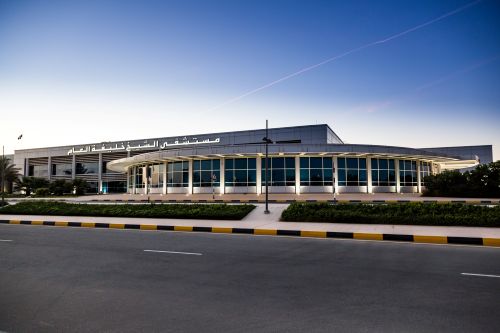
Sheikh Khalifa General Hospital (SKGH), governed by The Medical Office, a subsidiary of PureHealth, the largest healthcare group in the Middle East, has successfully completed the first stage of a planned surgical intervention for a 67-year-old female patient with advanced rotator cuff arthropathy affecting both shoulders, helping restore function and improve quality of life following years of pain and functional limitation.
The patient had a long-standing history of severe bilateral shoulder pain that had significantly affected daily activities, sleep quality, independence and overall wellbeing. Following a comprehensive clinical assessment and detailed radiological evaluation, the orthopaedic team developed a staged treatment plan, prioritising the symptomatic and functionally limiting shoulder.
Commenting on the case, Dr. Abdulqadir Alzarooni, acting Chief Executive Officer, Sheikh Khalifa General Hospital, said: “At Sheikh Khalifa General Hospital, we are committed to providing specialised care for patients with complex orthopaedic conditions. This case is an excellent example of the importance of coordinated multidisciplinary care in the management of complex shoulder conditions and demonstrates how advanced surgical interventions can help restore function for patients experiencing significant disability. The successful outcome reflects the expertise of our orthopaedic team and the coordinated care provided throughout the patient’s surgical and rehabilitation journey.”
As the first stage of treatment, the patient underwent Reverse Shoulder Arthroplasty (RSA), an advanced surgical procedure indicated for patients with severe rotator cuff deficiency combined with shoulder arthritis, where conventional shoulder replacement may not provide optimal outcomes. The procedure was successfully performed by Dr. Amro Mohamed and the orthopaedic surgical team, with support from the anaesthesia team, operating theatre staff, physiotherapy department, ward nursing team and the wider multidisciplinary care team.
Following surgery, the patient demonstrated encouraging progress, including effective pain control, improved shoulder stability and early functional recovery. A structured rehabilitation programme was initiated to support the gradual restoration of mobility, strength and independence.
The successful first stage of RSA marks an important milestone in the patient’s recovery journey and reflects SKGH’s commitment to delivering advanced, patient-centred orthopaedic care. Ongoing rehabilitation and clinical follow-up will continue to support the patient’s progress, with future management decisions guided by functional outcomes and individual clinical needs.